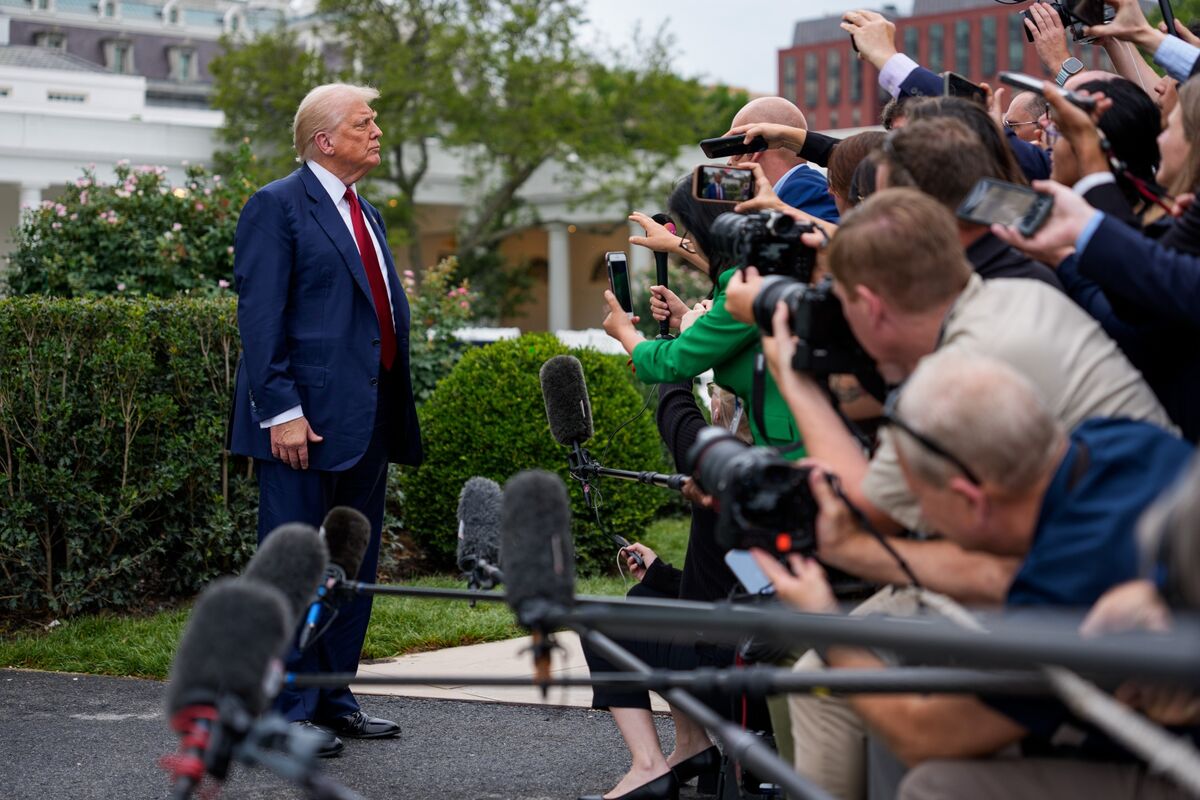
President Trump fired Bureau of Labor Statistics (BLS) chief Erika McEntarfer following the release of a weaker-than-expected July jobs report, which showed 73,000 new jobs against a 103,000 forecast and included a downward revision of nearly 260,000 jobs for prior months, data Trump labeled as "rigged." This action, discussed by former BLS chief Bill Beach, signifies a significant politicization of critical US economic data, raising concerns among investors regarding the future reliability and integrity of official economic indicators for market analysis.
The dismissal of Bureau of Labor Statistics (BLS) chief Erika McEntarfer by President Trump introduces a significant element of political risk into the interpretation of U.S. economic data. This action was directly precipitated by a weaker-than-expected July jobs report, which not only missed forecasts by 30,000 jobs (73,000 actual vs. 103,000 expected) but also included substantial downward revisions of nearly 260,000 jobs for the prior two months. The President's subsequent characterization of the data as "rigged" marks a direct politicization of a critical, historically independent statistical agency. For investors, this development undermines the perceived integrity of foundational economic indicators, creating uncertainty and suggesting that future data releases may be subject to political pressure. The high market impact score of 0.7 reflects the systemic importance of reliable BLS data for asset pricing and macroeconomic forecasting.
AI-powered research, real-time alerts, and portfolio analytics for institutional investors.
Request DemoOverall Sentiment
strongly negative
Sentiment Score
-0.60
Ticker Sentiment
