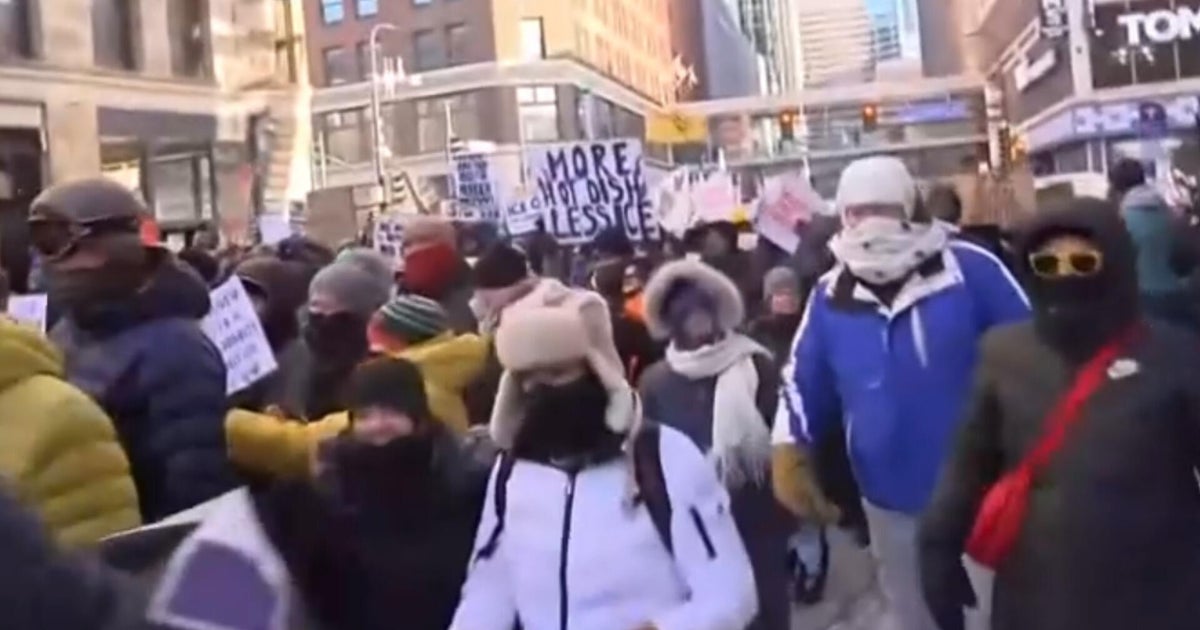
An estimated 300 Minnesota businesses participated in a statewide day-long work stoppage — a 'no work, no school, no shopping' action — protesting U.S. Immigration and Customs Enforcement, while some businesses (notably The Lotus restaurant and Pilllar Forum coffee shop) kept doors open to provide free food and warmth amid subzero temperatures. The event, which drew hundreds of faith leaders, represents a localized political protest with limited economic implications beyond one-day reductions in retail activity and potential reputational/community engagement effects for small local businesses.
Market structure: This localized protest and business response favors community-oriented independent operators (positive intangible brand equity) while imposing small, transitory revenue loss on downtown-dependent retailers. National, well-capitalized chains (e.g., Starbucks SBUX) can absorb episodic local closures and capture incremental share if protests reduce independent foot traffic; estimate a 0–2% incremental same-store-sales reallocation in affected ZIP codes over 0–3 months. Cross-asset: negligible national FX/commodity impact; municipal credit could see localized short-term stress in cities with persistent unrest, pressuring short-duration munis by ~5–25bp if services are disrupted for weeks.
Risk assessment: Tail risks include escalation to sustained civil unrest, municipal emergency spending or restrictive ordinances that depress downtown commerce for quarters (high-impact, low-probability). Immediate (days): foot-traffic dips; short-term (weeks–months): reputational shifts and consumer loyalty; long-term (quarters–years): permanent churn if independents close. Hidden dependencies: insurance coverage gaps for closures, municipal policing costs transferring to taxpayers, and crowdfunding/charity masking true revenue attrition. Key catalysts: any state-level policy on ICE within 30–90 days, large arrests or violent incidents, or coordinated citywide shutdowns.
Trade implications: Favor quality, liquid consumer names and underweight downtown retail/brick-and-mortar mall exposure. Tactical plays: small, tactical long in SBUX (quality, CSR-led loyalty) and modest short exposure to mall/urban retail (CBL) or broad retail ETF XRT for 1–3 month reversion. Use options to size asymmetrically: buy 3-month 2.5–5% OTM calls on SBUX or 6–10% OTM put spreads on XRT to limit downside. Time entries within 0–10 trading days post local unrest reports; cut if local crime metrics normalize for two consecutive weeks.
Contrarian angles: Consensus treats these events as purely negative for retail; it underestimates community goodwill converting to long-term customer loyalty for independents — a durable brand asset not captured in short-term sales. Overdone trade would be blanket short of all restaurants/retail; underdone is buying select small-cap or franchisees with >50% suburban exposure that benefit from flight from dense urban centers. Historical parallels: short-lived 2010s protests compressed downtown sales for 1–3 months but accelerated market share to suburbs; unintended consequence: policy backlash could produce favorable regulation for local business (grants, tax relief) within 3–6 months, tightening credit spreads for affected credits.
AI-powered research, real-time alerts, and portfolio analytics for institutional investors.
Request DemoOverall Sentiment
neutral
Sentiment Score
0.00
