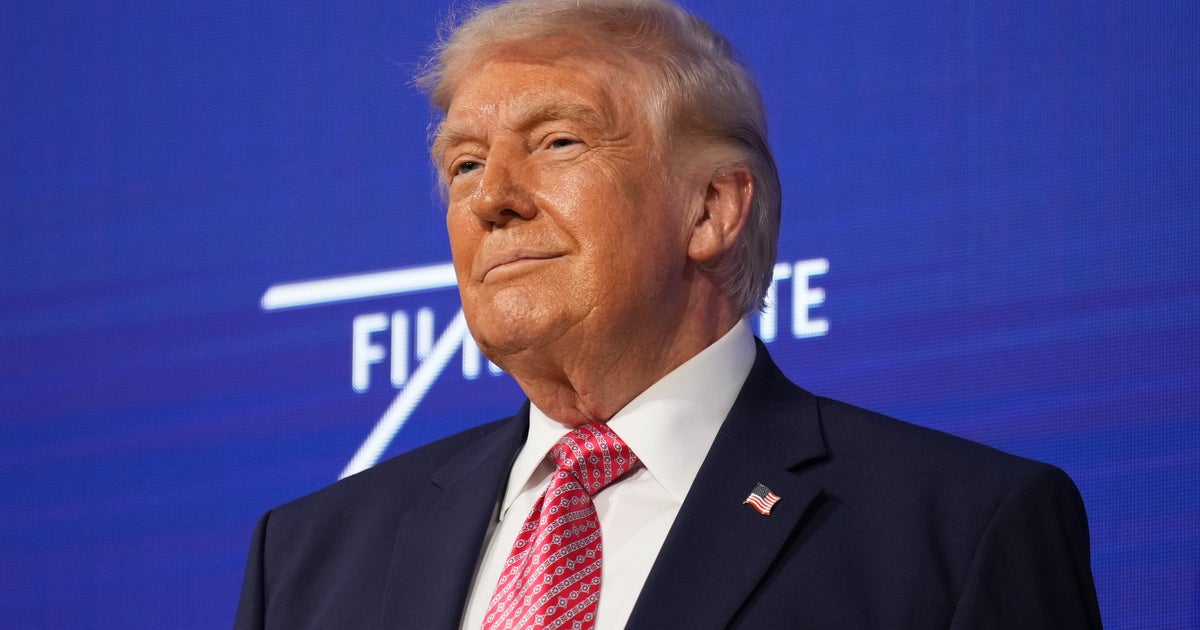
20% of global oil supply transits the Strait of Hormuz; President Trump warned he would 'obliterate' Iran's electricity plants, oil wells and Kharg Island if the strait is not reopened, a threat that has already tightened energy markets. Former Royal Navy officer Tom Sharpe said a military operation is unlikely to force the strait open, leaving Iran effectively controlling the choke point and sustaining elevated systemic risk to oil supply and global markets.
The immediate market reaction will be dominated by logistics and insurance frictions rather than pure upstream supply loss — expect a rapid widening of freight rates and insurance premia that amplifies delivered crude costs before physical barrels are permanently removed. Rerouting around alternative passages increases voyage time by ~10–14 days on many Middle East-to-Asia routes, creating a near‑term tightness in available tonnage and a self‑reinforcing contango that funds floating storage and tanker equities.
Second‑order winners are owners of large tankers and storage capacity, producers with flexible takeaway (US shale, Permian-focused names) and defense/ISR providers who win contracts to protect convoys; losers are refiners exposed to light sweet feedstock deficits, integrated downstreams with tight margins, and sectors sensitive to energy‑led demand destruction (airlines, petrochemicals). The distributional effect will unfold in layers: days for insurance/freight, weeks for inventory draws and refinery turnarounds, and months for contractual re‑routing or new offtake patterns between producers and Asian buyers.
Key catalysts that would reverse the trend are credible off‑ramp diplomacy or covert commercial arrangements that restore export corridors; conversely, targeted damage to export infrastructure (a strike on a major terminal) is a low‑probability, high‑impact tail that would push Brent materially above $120/bbl and sustain freight spikes. Given elevated risk premia and fast feedback loops between freight, insurance and refined margins, position sizing and active hedging are essential — volatility is the product here, not just directionality.
AI-powered research, real-time alerts, and portfolio analytics for institutional investors.
Overall Sentiment
strongly negative
Sentiment Score
-0.60
