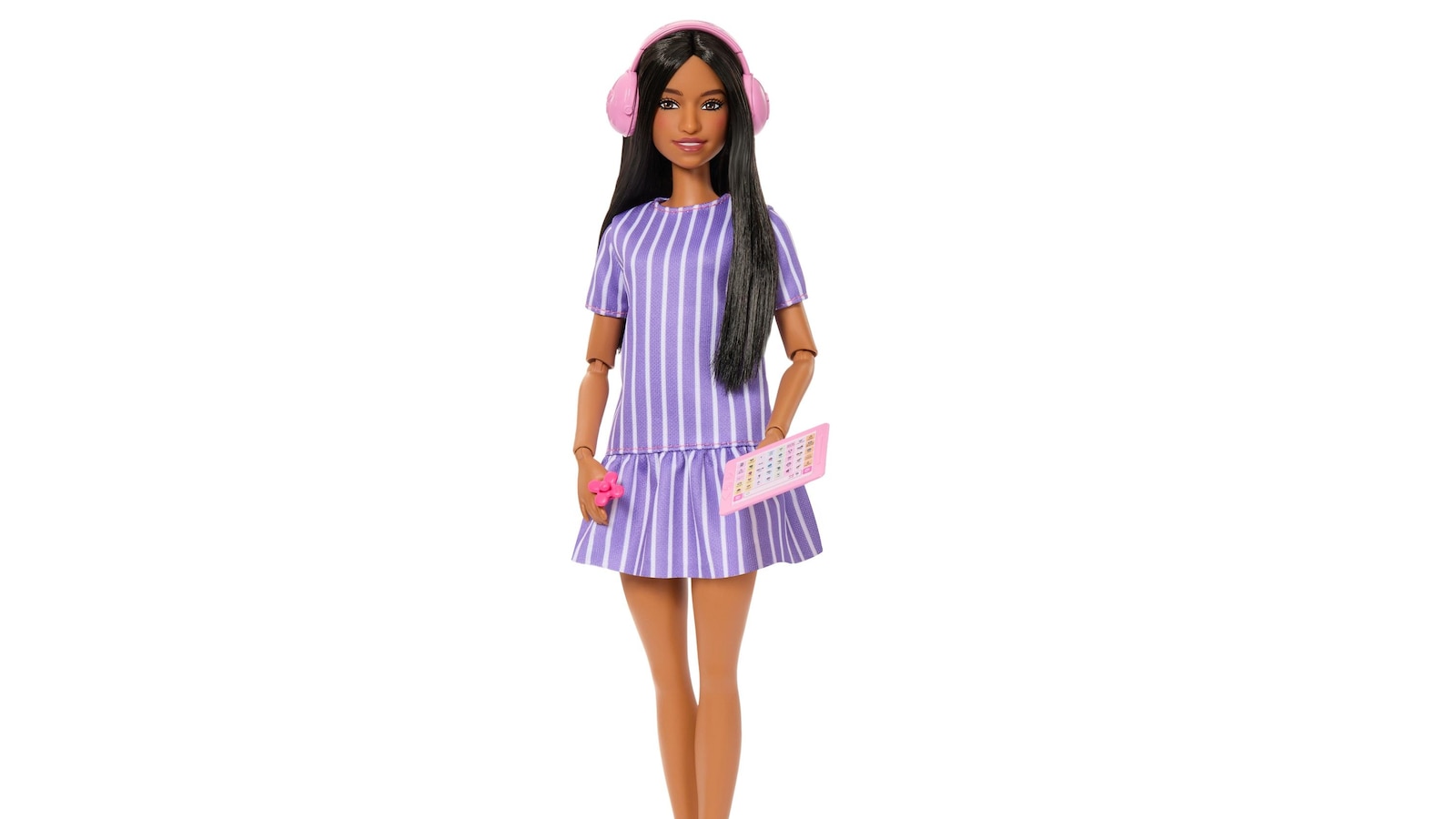
Mattel is adding an autistic Barbie to its Fashionistas line, developed over more than 18 months in partnership with the Autistic Self Advocacy Network and incorporating design features and accessories (articulated joints, eye gaze, noise-canceling headphones, a finger-clip fidget and communication tablet) intended to reflect aspects of autism. The doll is priced at $11.87 and is available on Mattel's online shop and at Target immediately, with Walmart distribution expected in March; the launch continues Mattel's recent diversity-driven product strategy and may modestly bolster brand positioning and retail traction without implying material near-term financial impact.
Market Structure: Mattel (MAT) is the primary beneficiary — product differentiation in the Fashionistas line strengthens brand equity and incremental SKU-driven sales at a low price point ($11.87). Target (TGT) and Walmart (WMT) gain modest traffic benefits through exclusivity/timing (Target immediate; Walmart in March), while smaller independent doll makers and undifferentiated toy producers face incremental competitive pressure. If MAT moves 0.5–2.0M units in 6–12 months, that implies $6–24M in incremental revenue (nominal vs. MAT’s ~$5B annual sales base) — meaningful for margins only if promotional spend is contained.
Risk Assessment: Near-term upside is primarily reputational/PR-driven (days–weeks) with retail sell-through determining real sales in Q1–Q2; long-term payoff accrues to brand moat over years. Tail risks: social-media backlash or regional political boycotts could remove shelf space (impact >5–10% short-term sales) or increase returns; operational risks include accessory supply bottlenecks and missed Walmart rollout in March. Hidden dependency: success hinges on merchandising placement and NGO endorsement credibility, not just product existence.
Trade Implications: Tactical: establish a modest 1–2% long MAT equity position targeting 10–20% upside over 3–6 months with an 8% stop-loss; scale 50/50 pre- and post-Walmart launch (March). Use options to define risk: buy a 90-day ATM call and hedge by selling a +15% strike call (call spread) sized at 25% of the equity position to limit premium outlay. Retail angle: add 0.5–1.0% long TGT to capture immediate shelf benefits, but avoid increasing WMT exposure until March sell-through data confirms demand.
Contrarian Angles: The market likely underprices long-term ESG/representation benefits — repeated inclusive SKUs can raise lifetime brand NPS and pricing tolerance by a few percentage points over years, not quarters. Conversely, consensus may overrate the immediate sales lift; historical inclusive launches delivered web/PR gains with modest direct revenue. Watch for unintended complexity costs (multiple SKUs/accessories) that could compress gross margins if unit demand misses expectations.
AI-powered research, real-time alerts, and portfolio analytics for institutional investors.
Request DemoOverall Sentiment
mildly positive
Sentiment Score
0.25
Ticker Sentiment
