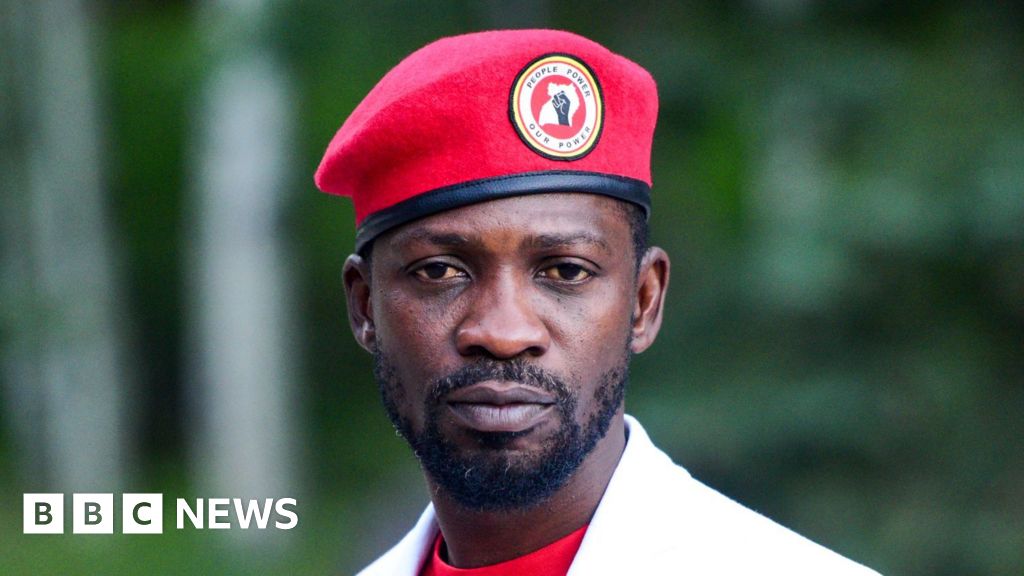
Pop star-turned-opposition leader Bobi Wine (Robert Kyagulanyi, 43) is mounting a high-profile challenge to President Yoweri Museveni (81), who has ruled Uganda for 40 years; the presidential vote is set for 15 January. Wine, who won 35% versus Museveni's 59% in 2021 and has faced repeated arrests, alleged politically motivated charges and violent crackdowns on supporters, raises heightened political-risk concerns for Uganda given the military's influence and episodes of electoral violence that could affect stability and investor sentiment.
Market structure: A contested Ugandan election raises idiosyncratic risk for Uganda sovereign debt, local banks, telecoms and dollar-linked corporates. Expect 3–8% near-term UGX depreciation and a 100–300bp widening in Uganda USD sovereign spreads if post-election unrest occurs; exporters (agri) could gain via FX but local-currency consumer demand will weaken.
Risk assessment: Tail risks include a coup or prolonged street violence that disrupts trade corridors (low prob, high impact) and a heavy-handed security response triggering Western sanctions or conditional aid cuts (medium prob). Immediate window (days) sees FX volatility and liquidity dry-up; short-term (weeks–months) credit spreads and EM flows react; long-term (quarters+) political fragmentation could deter FDI and infrastructure projects.
Trade implications: Direct plays favor hedging Uganda exposure: buy USD/UGX protection or sell Uganda sovereigns; rotate away from Uganda-heavy frontier funds into diversified EM equities and hard assets. Volatility-sensitive strategies (EEM put spreads, GLD long) offer scalable hedges; telecom incumbents with multi-country footprints (e.g., MTN) will show mixed idiosyncratic risk but better resilience than Uganda-only banks.
Contrarian angle: Markets may over-penalize all East African assets—short-term contagion to Kenyan/Tanzanian assets could be limited given stronger macro buffers; a violent but brief episode could create buying windows in select Uganda-listed assets at 20–40% discounts. Historical parallels (2017–2021 contested EM elections) show sharp repricing over 1–3 months and partial recovery over 6–12 months if external support remains.
AI-powered research, real-time alerts, and portfolio analytics for institutional investors.
Request DemoOverall Sentiment
moderately negative
Sentiment Score
-0.35
