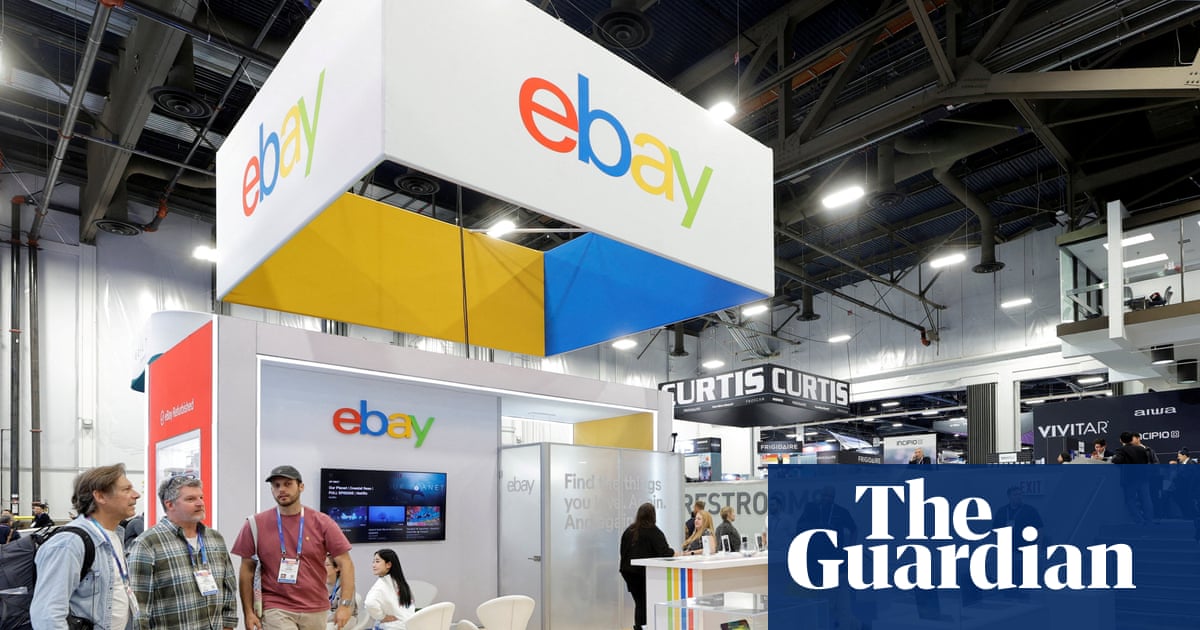
GameStop made an unsolicited $55.5bn offer for eBay, proposing $125 per share split 50/50 between cash and stock, with a potential hostile bid if eBay’s board rejects it. Cohen said he could cut $2bn of annual spending, including $1.2bn from sales and marketing, $300m from product development, and $500m from admin, while using GameStop’s remaining 1,600 stores as authentication and fulfillment nodes. The deal is backed by a $20bn bank loan and could reshape both companies, making it a potentially sector-moving M&A story.
This is less a credible M&A proposal than an activist forcing function: the bid monetizes the market’s willingness to assign option value to turnaround narratives, but the financing mix and equity currency make the offer highly conditional on sentiment staying hot. The immediate beneficiary is EBAY’s equity vol, not necessarily the stock itself; once a bidder is tied to a strategic buyer, downside tends to be anchored while upside becomes a negotiation premium game. For GME, the bid is strategically expensive because it introduces balance-sheet and governance risk just as the company still needs capital discipline to preserve its own optionality.
Second-order, the real pressure point is AMZN. If eBay’s board takes the proposal seriously, or even uses it to accelerate restructuring, the market will re-underwrite eBay as a more disciplined, higher-intent commerce platform with stronger collectibles and live-auction engagement. That doesn’t make it an Amazon competitor in a fundamental sense, but it can siphon niche supply, especially in refurbished goods, trading cards, and enthusiast inventory where trust and authentication matter more than logistics scale. ETSY is the cleaner relative loser: a revitalized eBay with a sharper younger-user acquisition strategy could crowd the resale/conscious-consumption lane and force more promotional intensity across peer marketplaces.
The key catalyst window is days to weeks: board response, financing confirmation, and whether activist pressure attracts competing bids or a white-knight alternative. The tail risk is that GME’s financing gets repriced or pulled if equity markets weaken, which would flip the setup from takeover premium to dilution/credibility discount very quickly. Over months, if eBay actually executes the implied $2bn expense reset, the market may reward margin expansion even without a deal, but that is a separate trade from the merger spread.
Consensus is probably overestimating the strategic premium and underestimating the governance/financing fragility. The market may also be underpricing the optionality embedded in eBay’s existing AI-driven seller/buyer tooling: if management can show even modest buyer reacceleration without a transaction, the hostile-bid narrative loses force. So the trade is less about whether GME can buy eBay and more about whether the existence of a bid forces a rerating of eBay’s capital allocation and multiple.
AI-powered research, real-time alerts, and portfolio analytics for institutional investors.
Request DemoOverall Sentiment
mildly positive
Sentiment Score
0.25
Ticker Sentiment
