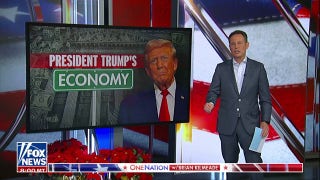
President Trump will host Israeli Prime Minister Benjamin Netanyahu at Mar-a-Lago to discuss renewed tensions with Iran and the advancement of a second stage of the Gaza plan; Netanyahu is expected to present Israeli threat assessments and plans for potential strikes on Iran’s missile program. Iranian rhetoric of 'total war' and Israeli warnings about IRGC exercises have left forces on heightened alert, raising the risk of regional escalation that could pressure energy prices and trigger risk-off flows; investors should monitor developments around any military action, U.S. policy responses, and implications for oil and regional risk premia.
Market structure will shift toward defense, energy and traditional safe-havens. Prime U.S. defense contractors (LMT, NOC, RTX) gain pricing power and order-book visibility as Israel presses for strike options and the U.S. reassesses regional posture; airlines, regional tourism and Israeli domestic cyclicals face demand destruction. Energy supply risk — even a tactical strike or shipping insurance spike — will tighten immediate oil balances, lifting Brent/WTI by a $5–$20/bbl shock range in the short run.
Tail risks are asymmetric: low-probability Iran-wide retaliation or closure of the Strait of Hormuz could push Brent >$120 and trigger a >10% drawdown in global equities, while a quick diplomatic defuse produces a sharp mean reversion (Brent back <$75, VIX <15). Immediate horizon (days): volatility spikes and safe-haven flows; short-term (weeks–months): re-rating of defense and energy stocks; long-term (quarters–years): elevated defense capex and possible restructuring of supply chains. Hidden dependencies include U.S. domestic politics (Trump’s timelines) and insurance/shipping market dynamics that can amplify energy shocks.
Trading implications: favor concentrated, sized positions with explicit triggers — buy defense primes, selective energy exposure if Brent >$90, and option hedges for equity tail risk (VIX calls or S&P put spreads). Use pair trades to isolate sectoral winners (defense) vs losers (airlines/travel). Monitor three catalysts over 0–90 days: any strike on Iran, CENTCOM force posture alerts, and Trump’s formal Stage Two announcement.
Contrarian view: consensus may overpay a persistent premium to oil and defense; historical parallels (short regional skirmishes) show transient oil spikes that mean-reverted within 3–6 months. Risk of overshoot is real — if Brent reverts < $80 or diplomatic breakthroughs occur, rotate out of energy and trim defense gains; conversely, escalation beyond limited strikes justifies increasing exposure materially.
AI-powered research, real-time alerts, and portfolio analytics for institutional investors.
Request DemoOverall Sentiment
moderately negative
Sentiment Score
-0.48
