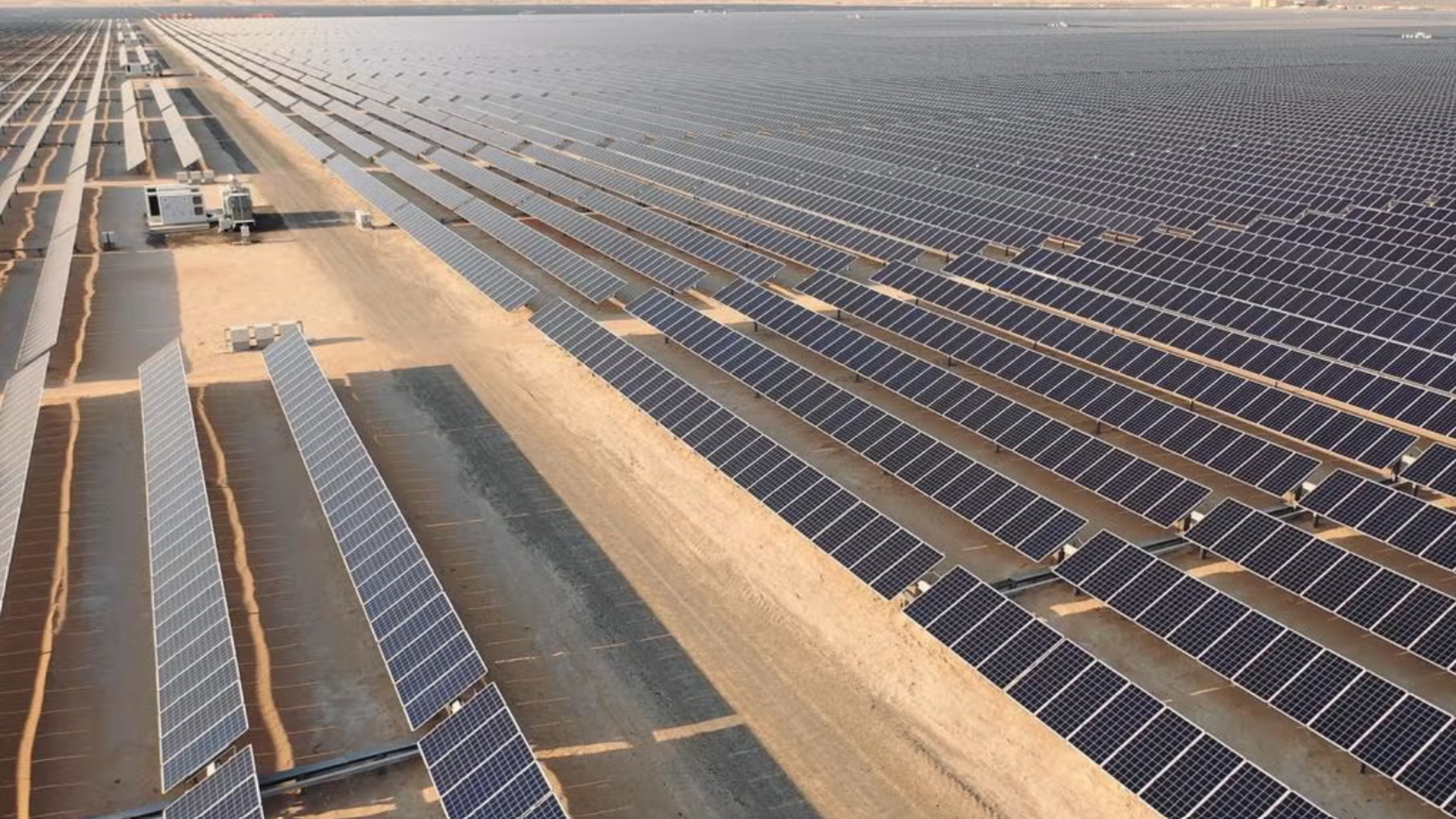
Shimizu Corporation's proposed Luna Ring envisions an 11,000 km lunar solar belt that could generate continuous power and transmit it to Earth via microwave or laser beams. The concept remains highly speculative, with no concrete cost estimate and major technical hurdles, including unproven lunar robotics and on-site manufacturing. The article frames it as a futuristic idea rather than a near-term commercial or market-moving development.
This reads less like an energy roadmap and more like a signaling event for the industrial base behind deep-space infrastructure. The investable second-order angle is not lunar power itself, but the broadening of budgets for robotics, autonomous construction, high-reliability power electronics, thermal management, and beam-control systems — categories that often sit inside defense, space, and industrial automation stacks before they become explicit “moon” plays. The market tends to underprice how speculative moonshot concepts can still move procurement in adjacent sectors. If policymakers or strategic corporates take this class of proposal seriously, the near-term beneficiary set is likely to be companies with dual-use capabilities: space transport, remote sensing, precision optics, power conversion, and industrial robotics. The losers are more subtle: terrestrial utility and grid capex advocates could face a narrative headwind if “continuous baseload from space” re-enters policy debate, even if actual deployment remains decades away. The key catalyst is not technical feasibility but capital allocation: whether any sovereign fund, ministry, or defense agency funds a demonstrator. Absent that, this stays a publicity cycle with limited market impact. The contrarian takeaway is that the idea’s implausibility may itself be bullish for adjacent suppliers — unrealistic end-states often justify small but real R&D budgets, and those early contracts can be meaningful for niche vendors even when the headline project never ships.
AI-powered research, real-time alerts, and portfolio analytics for institutional investors.
Overall Sentiment
neutral
Sentiment Score
0.10
