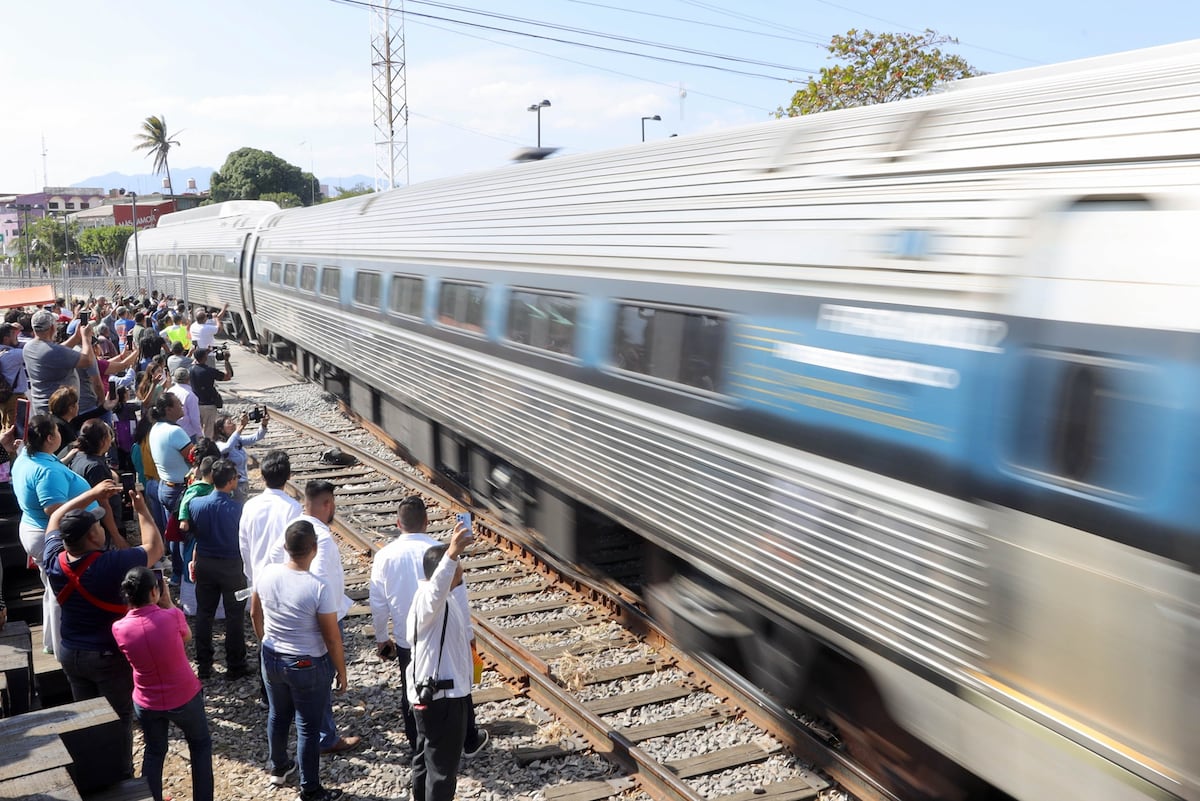
A deadly derailment on the Z line of Mexico’s Interoceanic Corridor has intensified scrutiny of the López Obrador administration’s under‑the‑radar rail megaproject aimed at competing with the Panama Canal. The project rehabilitates three lines — the 308 km Z line (Coatzacoalcos–Salina Cruz), a 330 km FA line (Coatzacoalcos–Palenque) and a 459 km Line K slated for completion by June 2026 — and targets freight speeds rising from 20 to 70 km/h; sections were inaugurated in Dec 2023 and Sep 2024 after delays. Military management since 2021, allegations of rushed consultations, criminalization of opponents, and corruption/nepotism claims over supply contracts raise political and execution risks that could delay completion, disrupt planned industrial hubs and weigh on investors exposed to Mexican infrastructure, logistics and construction contractors.
Market structure: The derailment and the governance controversy concentrate downside on Mexico-specific transport, construction and regional trade bets while leaving global shipping dynamics (Panama Canal flow) largely unchanged near-term. Winners are cash-rich global materials/aggregate producers able to pick up export demand if rehabilitation resumes; losers are Mexican rail/logistics operators, local contractors and domestic equity proxies (EWW) that price political and operational risk. The corridor’s stated aim (raising speed 20→70 km/h) implies a multi-year volume uplift if completed by June 2026, but current delays and social/legal frictions push meaningful freight diversion out >12–24 months.
Risk assessment: Tail risks include a corruption probe or suspension of military-managed contracts that could trigger a MXN selloff (>4–6% in 30–90 days) and a widening of Mexico sovereign spreads by 50–150bp; immediate sentiment shocks (days) will hit equities and local credit, short-term (weeks–months) could see FX and CDS move, long-term (quarters–years) determines project economics. Hidden dependencies: military control increases procurement opacity and sanction/contract-reputational risk for international suppliers; second-order effects include rerouting of freight to U.S. Gulf ports, raising logistics costs for regional exporters.
Trade implications: Tactical plays should hedge MXN and Mexican equity beta, favor global materials that can reallocate supply, and avoid single-name Mexican contractors until procurement transparency is restored. Use 1–3 month option structures on USD/MXN to cap hedging cost; consider pair trades (short EWW, long EEM) to express Mexico-specific risk without broad EM exposure. Monitor government statements and 30–60 day investigative milestones as trade triggers.
Contrarian angle: The market underestimates the probability the federal government ultimately backstops projects (fiscal transfers or expedited contracts) to protect political capital — such intervention would re-rate domestic suppliers and cement/aggregates (CX, VMC, MLM) within 3–12 months. If investigations remain limited and budget execution accelerates toward the 2026 completion target, a sharp mean-reversion in MXN and Mexican construction names is plausible; prepare conviction-sized re-entry if MXN rallies >5% from post-shock lows or if procurement is re-centralized transparently within 60 days.
AI-powered research, real-time alerts, and portfolio analytics for institutional investors.
Request DemoOverall Sentiment
strongly negative
Sentiment Score
-0.65
