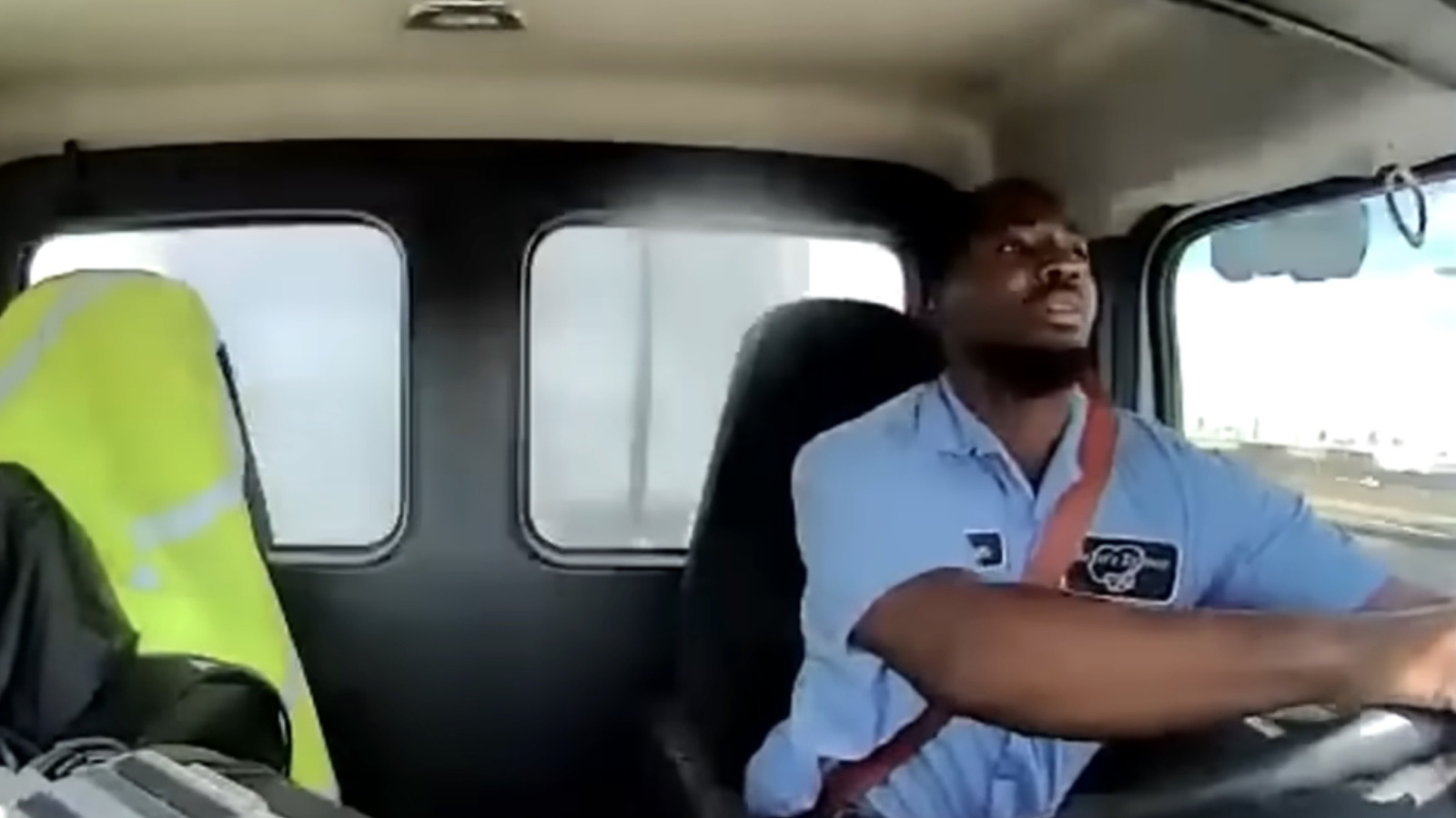
United Flight 169 landed safely at Newark after its landing gear struck a truck on the New Jersey Turnpike, injuring the driver only mildly and causing minor damage to the aircraft. None of the 221 passengers or 10 crew were hurt, and the NTSB has opened an investigation while United preserves flight data and cockpit voice recorders. The incident raises operational and safety concerns around Newark, but the direct market impact appears limited.
This is not just a one-off aviation oddity; it reinforces a broader Newark-specific reliability problem that can bleed into airline operations, not aircraft economics. The immediate equity impact on UAL is likely small because the airframe appears flyable and passenger injuries were absent, but the real risk is a temporary increase in inspection burden, crew displacement, schedule padding, and media-driven perception damage at a hub already facing operational fragility. The second-order issue is asymmetric: a single incident can trigger a multi-week drag on on-time performance and customer bookings if it becomes another data point in a narrative of systemic airport dysfunction. That matters more than direct repair costs because network carriers compete on reliability, and even a modest rise in misconnections or cancellations can shift premium travelers and corporate accounts toward peers with cleaner operational records. The broader beneficiaries are alternative East Coast gateways and carriers with less Newark concentration; the loser is any airline exposed to a prolonged “avoid EWR” booking pull. For BA, the event is directionally neutral in the near term; the airframe involved is not the problem, but if investigators find maintenance, systems, or certification-relevant issues, the market may extrapolate toward tighter scrutiny of widebody operations and higher compliance costs. The tail risk for UAL is not litigation from this incident alone, but the possibility that it becomes the catalyst for heightened FAA/NTSB oversight, which could compress operational flexibility for months rather than days. Contrarian view: the market may overestimate earnings damage from the headline while underestimating the reputational value of being the carrier that demonstrably cooperates, removes crew, and over-invests in safety response; that can limit long-run brand erosion if handled well.
AI-powered research, real-time alerts, and portfolio analytics for institutional investors.
Overall Sentiment
neutral
Sentiment Score
-0.05
Ticker Sentiment
