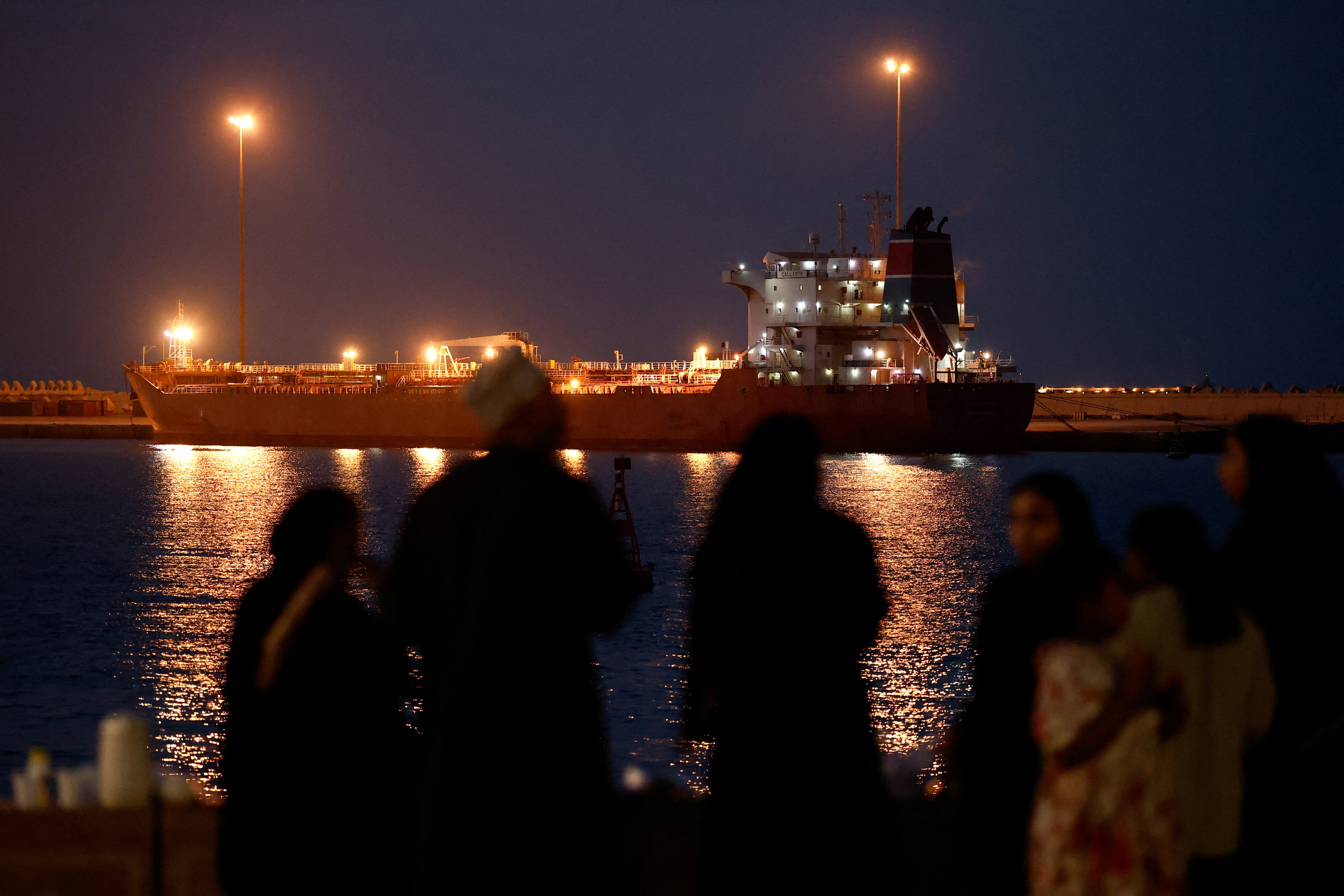
A two-week ceasefire ends nearly six weeks of war but effectively cements Iranian leverage over the Strait of Hormuz — the passage that carries roughly 20% of global oil and gas. Analysts warn Iran now functions as the de facto gatekeeper, is seeking fees per ship (potentially millions), and has retained missile/drone capabilities and enriched uranium stocks, posing sustained downside risk to energy supply and regional stability. Expect a pronounced risk-off response with potential for materially higher oil prices, disrupted shipping flows, and elevated market volatility unless a comprehensive settlement addresses navigation, nuclear, missile, and proxy issues.
A sustained ability of a hostile littoral power to extract economic rents from bulk energy transit creates a persistent transaction-cost shock that is biased toward asset owners of transit capacity and against marginal consumers and processors. Quantitatively, even a modest transit surcharge or insurance premium that equates to $0.25–$1.00/bbl raises breakevens for marginal producers, compresses refinery margins in import-dependent regions, and mechanically boosts tanker time-charter equivalent (TCE) rates by multiples as voyages reroute or slow-steam to avoid risk zones.
Second-order winners are owners of voyage-dependent floaters (VLCC/Aframax/LNG carriers), P&I and reinsurance franchises that can reprice war-risk pools, and regional midstream/pipeline operators that provide a land bridge alternative; capital formation is likely to reallocate toward shipping capacity and strategic storage over 6–24 months. Losers include short-cycle refiners with thin crude slates tied to Gulf barrels, container lines facing 10–20% longer voyages via Cape routes, and consumers in Europe/Asia facing margin compression and import inflation.
Key catalysts: (1) diplomatic progress that credibly guarantees freedom of navigation (days–months) which would collapse the premium; (2) sanctions relief that floods markets with 0.5–2.0 mb/d (months) which would cap oil upside; (3) escalation or formalized tolling regimes (weeks–years) that entrench the premium. Watch freight indices, war-risk insurance rate cards, and Gulf crude flows as leading indicators for reversals.
AI-powered research, real-time alerts, and portfolio analytics for institutional investors.
Request DemoOverall Sentiment
strongly negative
Sentiment Score
-0.60
