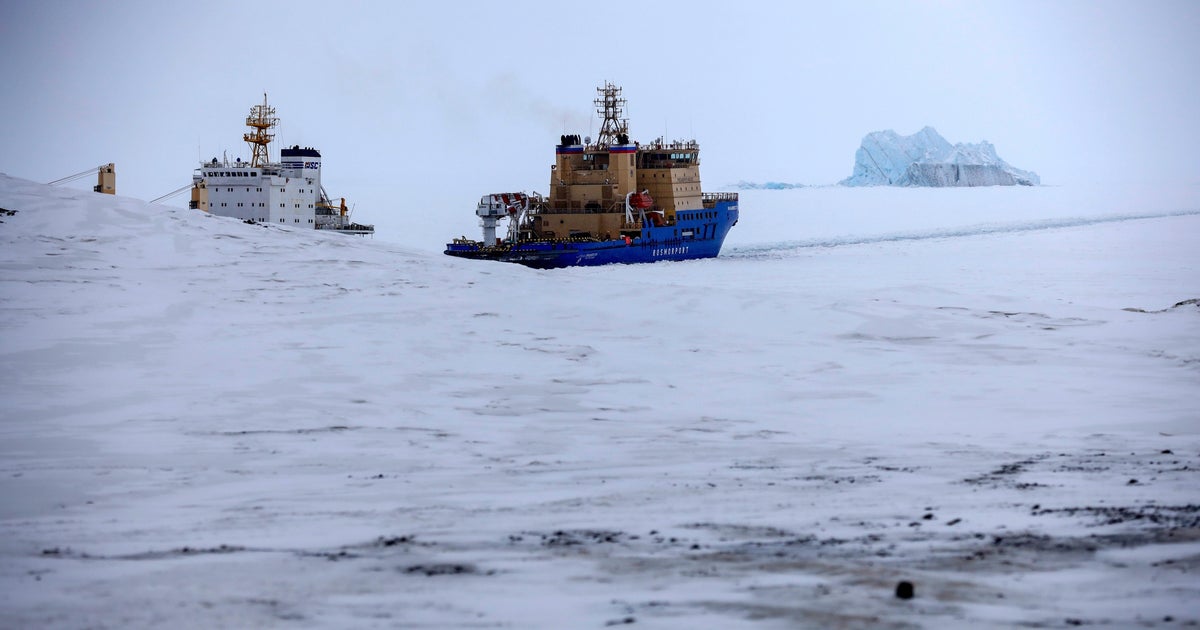
Rising Arctic shipping is increasing black carbon emissions and accelerating regional ice melt, prompting a proposal by France, Germany, the Solomon Islands and Denmark for the IMO to require cleaner 'polar fuels' for all ships north of the 60th parallel. Traffic into those waters rose 37% from 2013–2023 and distance traveled increased 111%; estimated ship black carbon emissions climbed from 2,696 metric tons in 2019 to 3,310 metric tons in 2024, while a 2024 heavy fuel oil ban has had only modest effect due to waivers. Political resistance — including past lobbying that stalled IMO carbon-fee measures and industry pushback in coastal states like Iceland — creates regulatory uncertainty for shipping operators and fuel suppliers, with limited near-term prospects for strict Arctic limits. Investors should monitor IMO committee deliberations, potential fuel-cost displacement for shipping fleets, and sovereign/industry stances that could shape compliance timelines and demand for cleaner marine fuels.
Market structure: A credible push to mandate lighter “polar fuels” shifts demand away from heavy residual bunkers toward distillates/LNG and low-emission fuel suppliers, benefiting refiners with high light-distillate yields and LNG-bunkering infra over the next 12–36 months. Data points: Arctic ship entries +37% (2013–23) and distance sailed +111% imply structurally higher seasonal fuel demand; black carbon rose ~23% (2,696 → 3,310 t). Pricing power will accrue to suppliers able to deliver compliant fuel within Arctic logistics constraints, tightening ULSD/kerosene cracks vs heavy fuel oil.
Risk assessment: Tail risks include rapid IMO adoption of polar-fuel rules (weeks–months) forcing immediate bunker supply capex and widening shipping credit spreads, or conversely political pushback delaying rules until 2029 (status quo). Immediate (days) impact is low; short-term (weeks–months) volatility around IMO meetings (this week, April); long-term (1–3 years) is higher capex for shipowners, higher fuel opex and upgraded refineries/terminals. Hidden dependency: fishing fleets (largest black-carbon source) resist change — regulation may target small operators first, creating uneven credit stress in regional banks.
Trade implications: Direct plays: long refiners with distillate exposure (VLO, MPC, PSX) and long LNG infrastructure/terminal owners (LNG, Cheniere CHKR/ LNG) via 6–12 month option structures to capture rising distillate cracks; long ULSD futures or HO calls for 3–9 months. Relative value: pair long refiners (VLO) / short public container/shipping names with Arctic exposure (ZIM, AMKBY) sized 1–2% PV to hedge market moves. Use calendar spreads around IMO dates to monetize volatility.
Contrarian angles: Market underestimates shipowners’ ability to pass fuel-cost increases to shippers — shipping equities may be resilient unless regulation is abrupt and global. Arctic routing remains seasonal and capital-intensive (icebreakers); adoption of polar fuels is more likely to increase refiner margins than to shutter Arctic voyages. Unintended outcome: faster distillate margin expansion could accelerate M&A among regional refiners and bunkering terminals over 12–24 months.
AI-powered research, real-time alerts, and portfolio analytics for institutional investors.
Request DemoOverall Sentiment
moderately negative
Sentiment Score
-0.33
