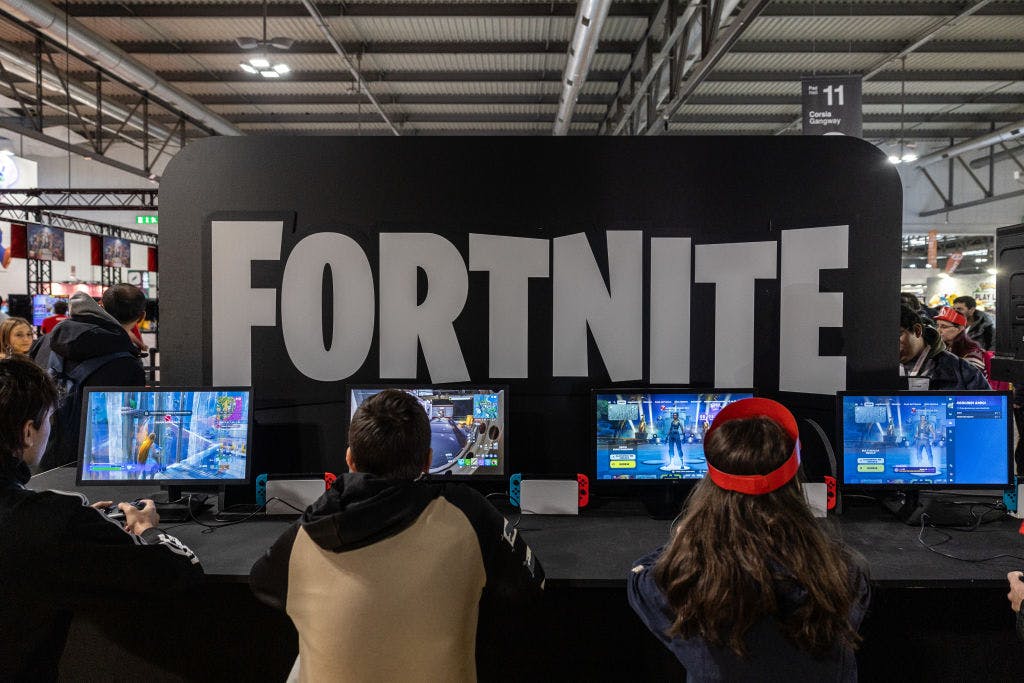
Epic Games is reportedly planning a Disney-character extraction shooter for a November launch, marking the first product from the companies' $1.5 billion partnership announced in early 2024. The report comes as Epic faces an engagement downturn and 1,000 layoffs, while Disney executives are said to be prioritizing tech-driven interactivity and potentially deeper strategic ties. The timing could put the release against Take-Two's Grand Theft Auto 6, but the news remains preliminary and unlikely to materially move the broader market.
DIS’s strategic issue is not the headline launch itself; it is whether this partnership can convert passive fandom into repeat engagement economics inside a category that is brutally hit-driven. A Disney-branded extraction shooter is a higher-variance format than the company’s core content engine, but it also offers a path to monetizing the IP stack more like a live-service platform than a film slate—if retention works, the upside is multi-year, not one-off.
The more important second-order effect is competitive signaling. If Disney is willing to front-load premium IP into interactive games, it pressures peers with large underused catalogs to accelerate similar deals or risk looking static in an increasingly platform-agnostic attention market. That said, pairing a major launch with an already crowded release window creates a classic management trap: even a quality title can underperform if it is forced to fight for hours against an event-sized incumbent, which makes the first 30-60 days of cohort retention the real KPI, not downloads.
For DIS, the market may be underestimating the governance angle: the rumored strategic interest in deeper ownership of Epic would be value-accretive only if Disney can discipline capital allocation and avoid paying late-cycle venture multiples for an asset that is now being used as a turnaround lever. The base case is that this is a positive optionality event with limited immediate financial impact, but the downside is that a weak launch would reinforce skepticism around Disney’s ability to translate IP into modern interactive engagement, keeping the stock pinned to execution risk for several quarters.
AI-powered research, real-time alerts, and portfolio analytics for institutional investors.
Request DemoOverall Sentiment
mildly negative
Sentiment Score
-0.15
Ticker Sentiment
