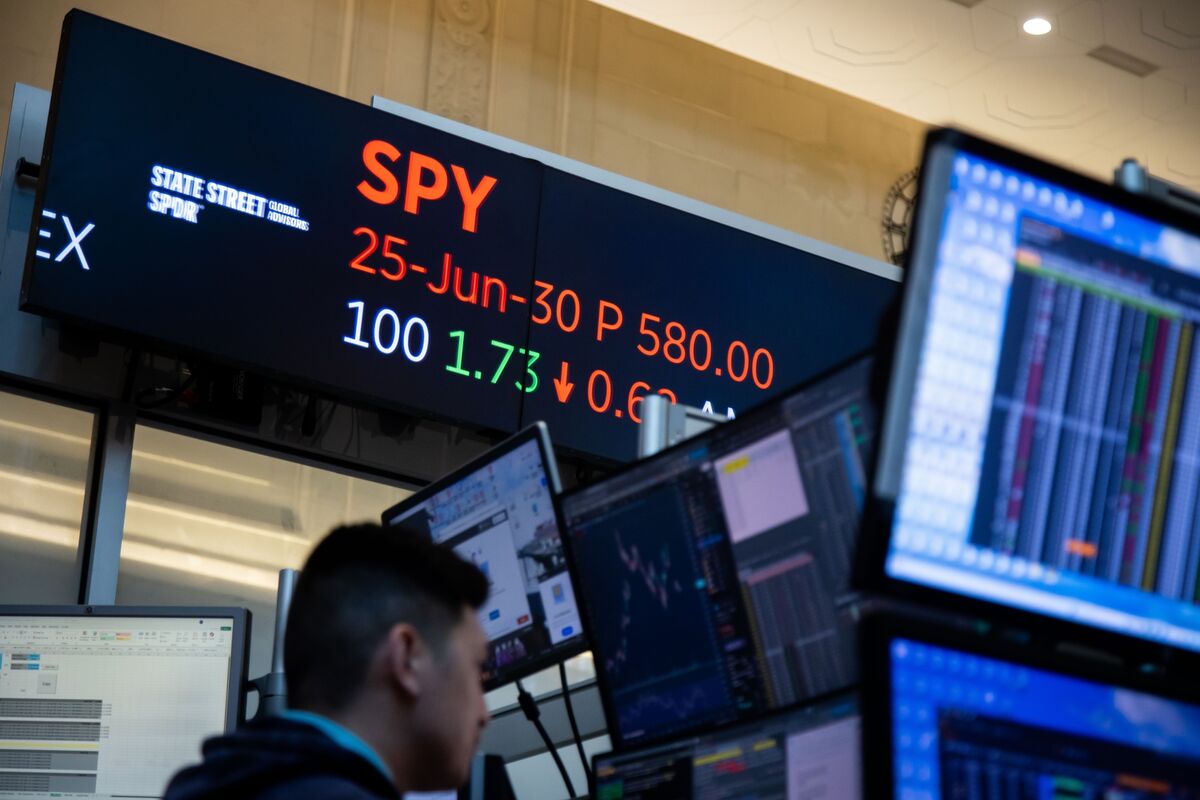
The market for long-term stock market crash insurance faces significant structural challenges, despite investor demand for 'black swan' protection. Selling such insurance is inherently unappealing for counterparties due to an asymmetric payoff profile, characterized by small premiums during stable periods and disproportionately large losses during market downturns. Additionally, buyers face substantial counterparty credit risk, as sellers, often also long equities, may be unable to fulfill obligations following a severe market collapse.
The market for long-term stock market crash insurance is structurally impaired due to a fundamental misalignment between buyer needs and seller incentives. While investors with long-only equity exposure have a clear demand for 'black swan' protection, the supply side faces significant obstacles. For sellers, the payoff profile is highly asymmetric and unattractive: they collect small, regular premiums in exchange for the risk of catastrophic losses during a market collapse, precisely when capital is most scarce. For buyers, this creates a critical counterparty credit risk. The very event that triggers the insurance payout—a severe market downturn—is also the event most likely to bankrupt the seller, rendering the protection worthless when it is needed most. This inherent dilemma means that reliable, long-term tail-risk insurance is exceptionally difficult to source from credible counterparties, creating a persistent vulnerability for portfolios seeking to hedge against systemic crashes.
AI-powered research, real-time alerts, and portfolio analytics for institutional investors.
Request DemoOverall Sentiment
mildly negative
Sentiment Score
-0.25
Ticker Sentiment
