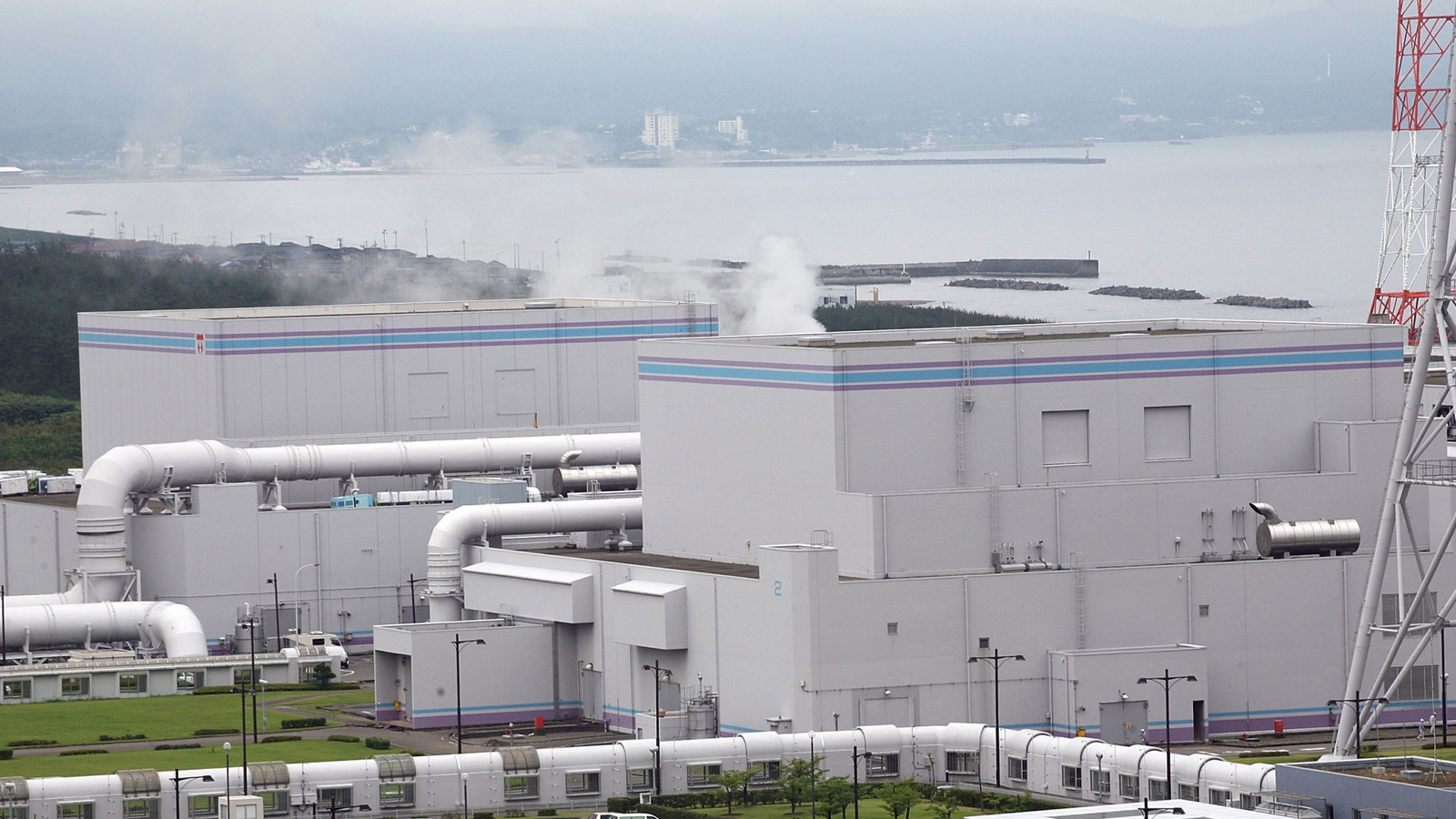
Tokyo Electric Power Company (TEPCO) suspended the Kashiwazaki‑Kariwa Number Six reactor one day after it was restarted, citing a problem with the removal of control rods; the company reported no radiation leak but immediately returned the unit to shutdown. The Number Six unit was the first TEPCO reactor reactivated since the 2011 Fukushima crisis and had already faced prior delays over alarm‑system issues; Number Seven is slated for 2030 while units 1–5 are likely to be decommissioned. The rapid re‑shutdown, coupled with a separate January 2026 finding that Chubu Electric manipulated risk data at Hamaoka, heightens regulatory and public scrutiny and represents a setback to Japan’s plans to restore nuclear capacity, with implications for utility valuations and the country’s energy mix.
Market structure: The abrupt re-shutdown of Kashiwazaki-Kariwa 6 re-introduces near-term supply risk in Japan's baseload stack, shifting marginal supply to LNG/coal and fast-ramping gas turbines — think incremental thermal demand of hundreds of MWs to low-GW scales over peak periods. Winners: global LNG exporters (Cheniere LNG, WDS.AX, SHEL), domestic thermal-heavy utilities and battery/storage builders; losers: TEPCO (9501.T), Chubu (9502.T), and nuclear construction/restart contractors as regulatory risk premiums rise. Cross-asset: JPY likely to weaken modestly vs USD if import bill expectations lift (watch JKM), JGB yields pressured higher on inflation/import-cost narrative, and volatility in Japanese utility equity options should rise short-term.
Risk assessment: Tail risks include a multi-reactor moratorium or discovery of systemic data manipulation (probability 5–15% over 3–12 months) that forces extended outages and forces Japan to run >5% more thermal generation for years. Immediate (0–7d): power-market repricing and equity knee-jerk; short-term (4–12 weeks): regulator reviews, possible fines; long-term (6–36 months): structural shift to renewables + LNG dependence and decommissioning costs. Hidden dependencies: long LNG contract lead-times (6–18 months) and global spot linkage (JKM/TTF) mean local outages transmit internationally.
Trade implications: Direct: establish 2–3% long in Cheniere Energy (LNG) and 1–2% long in Shell (SHEL) to capture higher Asian LNG spreads over next 3–9 months; establish 1–2% short in TEPCO (9501.T) with protective stops. Pair: long LNG (LNG) vs short TEPCO (9501.T) to express Asian supply tightness vs operator/regulatory risk. Options: buy 3-month JPY puts vs USD (sell 1% risk) if JKM rises >20% in 30d; buy 3–6 month TEPCO puts (or put spreads) sized to 1–2% notional.
Contrarian: Consensus prices incremental nuclear restarts as imminent; that's likely underdone — regulatory credibility is the binding constraint, not physics. If regulators clear Numbers 6/7 with enhanced oversight within 90 days, TEPCO could mean-revert; downside is priced into TEPCO today so a tactical small option-based long (cheap calls) could pay if the government prioritizes grid stability. Historical parallel: post-2011 saw multi-year pivot to imports — expect similar medium-term import-led inflation, so play exporters and storage, but avoid crowded long-utility-with-nuclear exposure.
AI-powered research, real-time alerts, and portfolio analytics for institutional investors.
Request DemoOverall Sentiment
moderately negative
Sentiment Score
-0.50
