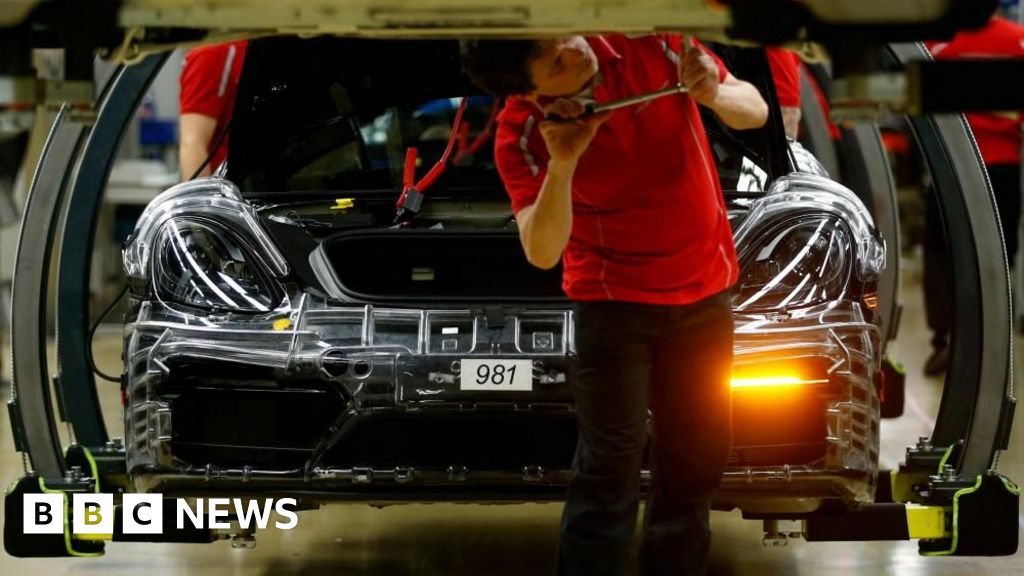
The European Commission has diluted its proposed 2035 ban on new petrol and diesel cars so that 90% of new vehicle sales must be zero-emission by 2035 rather than 100%, allowing the remaining 10% to be conventional petrol/diesel vehicles or hybrids; the package also pushes use of EU low‑carbon steel and expanded biofuel and e‑fuel use to offset extra emissions. Carmakers' lobby (ACEA) and German manufacturers sought the flexibility to avoid potential multi‑billion euro penalties amid limited EV demand, while Volkswagen welcomed the move as pragmatic and Volvo and green groups warned it risks undermining the EV transition and European competitiveness; UK officials are urged not to follow suit. For investors, the change reduces near‑term compliance risk and potential fines for OEMs but may slow EV uptake, redirect capital toward transitional technologies and infrastructure, and shift demand toward low‑carbon steel and synthetic fuels.
The European Commission has revised its 2035 new-vehicle mandate from 100% zero-emission to a 90% zero-emission target, allowing the remaining 10% of new sales to be conventional petrol/diesel vehicles or hybrids; the package also mandates greater use of EU low-carbon steel and anticipates increased deployment of biofuels and synthetic e-fuels to offset emissions. Industry lobby group ACEA argued the change is necessary because current market demand for EVs is too low and manufacturers face the risk of "multi-billion-euro" penalties without flexibility, while Volkswagen praised the draft as "economically sound" and Volvo warned that weakening commitments could undermine competitiveness. Policymakers and stakeholders highlighted infrastructure and incentive gaps—ACEA cited the need for more charging points and fiscal support—and green groups and UK advocates cautioned that loosening standards risks slowing the EV transition and exposing Europe to foreign competition. For investors, the shift materially reduces near-term regulatory compliance risk for OEMs but likely reallocates capital toward transitional technologies and supply-chain inputs (low-carbon steel, bio/e-fuels, charging infrastructure) while creating policy divergence risk if the UK maintains a stricter ZEV mandate.
AI-powered research, real-time alerts, and portfolio analytics for institutional investors.
Overall Sentiment
mixed
Sentiment Score
-0.05
