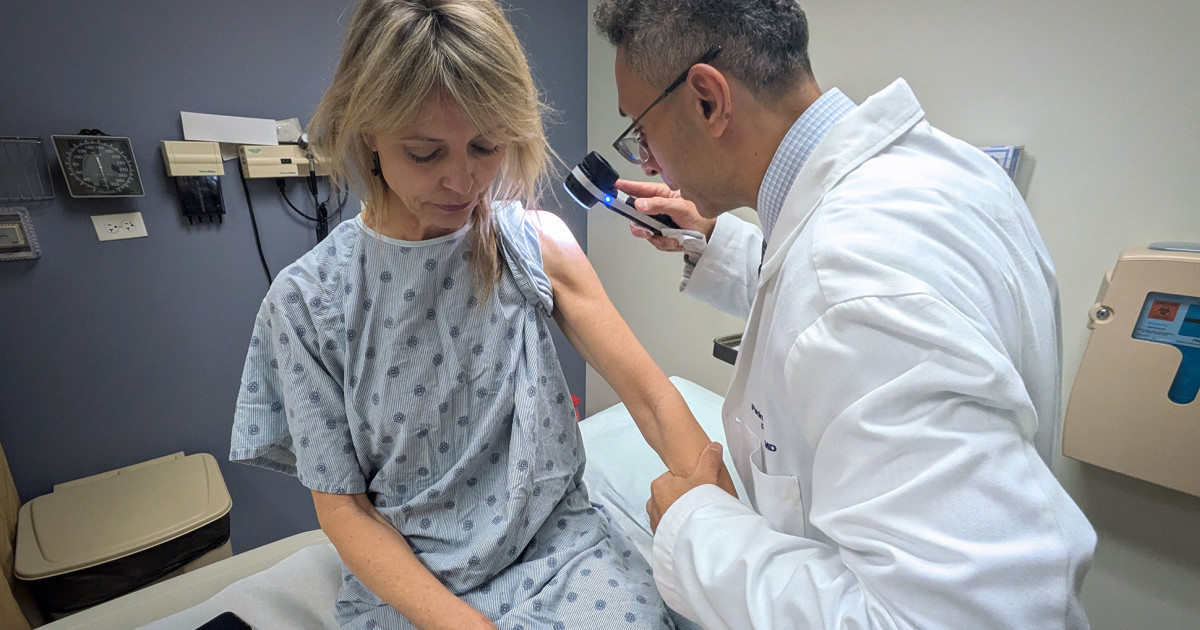
A Northwestern–UCSF study in Science Advances finds indoor tanning is associated with a 2.85-fold increase in melanoma risk (5.1% vs. 2.1% in matched controls) and, using single-cell DNA sequencing of 182 melanocytes, shows nearly twice the mutation burden and melanoma-linked mutations spread across almost the entire skin surface—including typically sun-shielded areas—indicating tanning beds cause broader DNA injury than sunlight. The results directly challenge industry claims of parity with natural sun exposure, bolster WHO’s class‑1 carcinogen view, and strengthen the case for tighter regulation (bans for minors and cigarette‑style warnings), creating potential regulatory, legal and reputational risks for the indoor tanning sector as it seeks a comeback.
A peer-reviewed study in Science Advances led by Northwestern Medicine and UCSF links indoor tanning to a 2.85-fold higher melanoma diagnosis rate (5.1% of tanning-bed users versus 2.1% of matched non-users) after adjustment for age, sex, sunburn history and family history. Using single-cell DNA sequencing of 182 individual melanocytes, researchers found skin cells from indoor tanners carried nearly twice the mutation burden and displayed melanoma-linked mutations across body sites normally shielded from sunlight, supporting the claim that tanning beds create broader DNA injury than outdoor UV exposure.
The paper directly challenges industry messaging that indoor tanning is comparable to natural sun exposure and reinforces WHO’s classification of tanning beds as a class I carcinogen; lead author Dr. Pedram Gerami recommended policy actions including bans for minors and cigarette-style warnings. The study’s methodological detail and epidemiologic comparison increase the credibility of regulatory and reputational risk to the indoor tanning sector as it attempts a market comeback.
From a market perspective the signals point to moderately negative sentiment and a modest market impact (sentiment_score -0.6, market_impact_score 0.3); concurrently, the authors’ recommendation that frequent tanners receive total-body skin exams implies potential incremental demand for dermatology and diagnostic services. Investors should therefore monitor regulatory proposals, litigation activity and consumer screening behavior as primary drivers of near-term value shifts in leisure-exposed names and select healthcare providers.
AI-powered research, real-time alerts, and portfolio analytics for institutional investors.
Request DemoOverall Sentiment
moderately negative
Sentiment Score
-0.60
