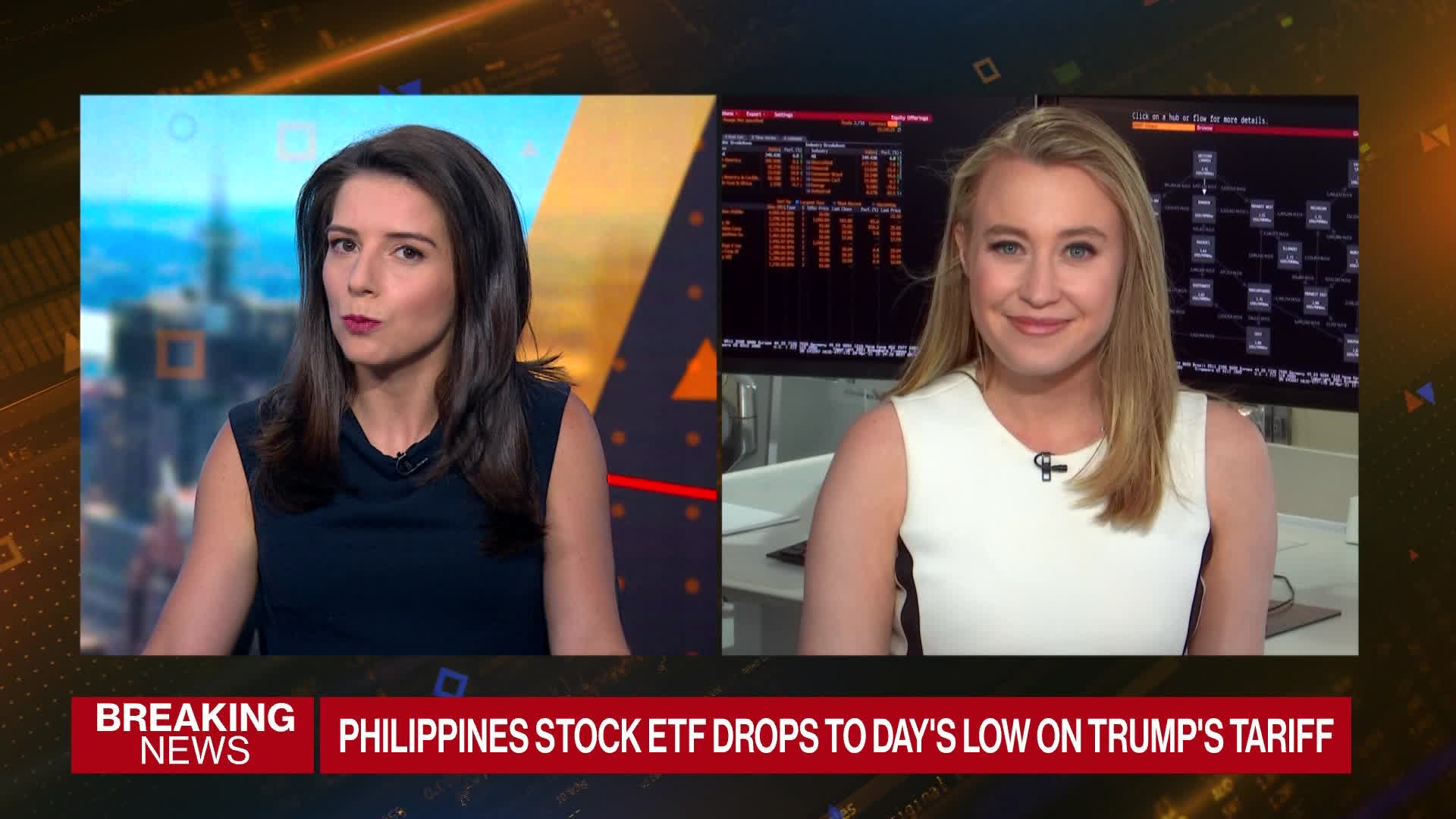
President Trump announced new tariffs effective August 1, imposing a 30% rate on products from Algeria, Libya, and Iraq, and a 20% rate on goods from the Philippines. This action signals a continuation of aggressive trade policy, potentially impacting global supply chains and economic relations with the affected nations.
The United States has announced a significant escalation in its trade policy, imposing new tariffs effective August 1. The targeted duties include a 30% rate on goods from Algeria, Libya, and Iraq, and a 20% rate on products from the Philippines. This move indicates a continued reliance on tariffs as a primary tool of foreign and economic policy, injecting fresh uncertainty into global trade dynamics. The selection of these specific nations, a mix of North African/Middle Eastern and Southeast Asian economies, suggests a broad and potentially geopolitically motivated strategy. The market's reaction is captured by a "strongly negative" sentiment score (-0.7), reflecting investor concerns about potential supply chain disruptions, increased input costs for U.S. businesses, and the risk of retaliatory measures. While no specific companies are named, the moderate market impact score (0.6) signals that the effects could be felt across sectors dependent on imports from these regions, heightening macroeconomic risk.
AI-powered research, real-time alerts, and portfolio analytics for institutional investors.
Request DemoOverall Sentiment
strongly negative
Sentiment Score
-0.70
