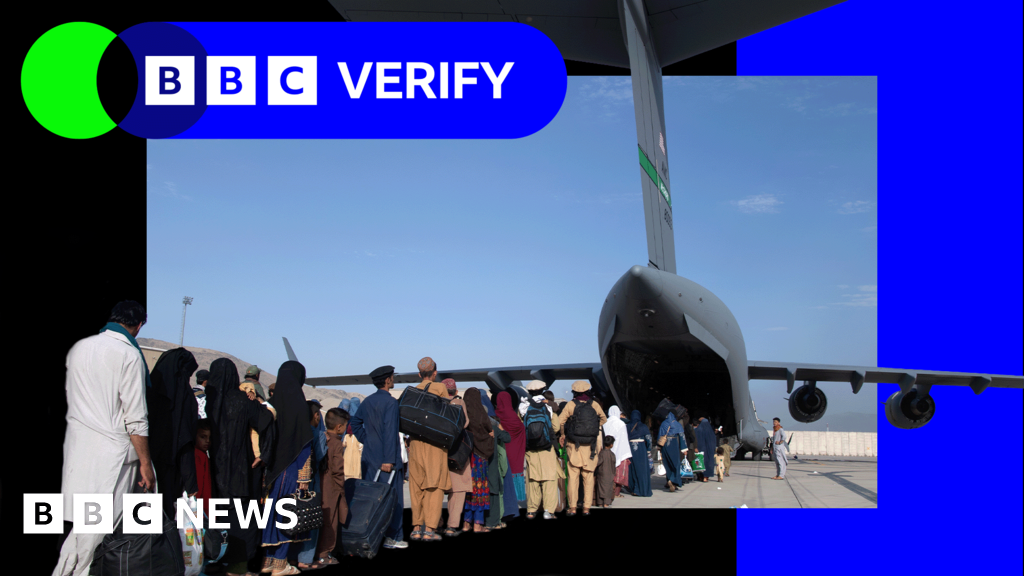
A Washington DC shooting by a 29-year-old Afghan evacuee, Rahmanullah Lakanwal, prompted the Department of Homeland Security to suspend processing of all Afghan-related immigration requests pending a review of vetting and security protocols. The suspect entered under Operation Allies Welcome (OAW) on 8 September 2021; the State Department reports more than 190,000 Afghans have been resettled under OAW and Enduring Welcome. Office of Inspector General audits identified gaps in the vetting process — including incomplete or inaccurate identity data and instances where evacuees were paroled without full vetting — while the FBI was later commended for screening efforts; the incident has triggered partisan political fallout but is unlikely to have direct market-moving implications.
Market structure: Political reaction to the Washington shooting re-prioritizes spend toward vetting, biometric ID, border security and cybersecurity rather than broad refugee-processing agencies. Expect incremental wins for government-contractor and identity-tech vendors (biometrics/analytics/cyber) and reputational/legal downside for private detention operators and NGOs; pricing power could shift 5–15% reratings in small-mid cap contractors if FY26 supplemental funding is confirmed.
Risk assessment: Immediate risk (days) is political headlines and knee-jerk policy freezes that depress NGO/immigration services; short-term (weeks–months) risk is legal/appropriations uncertainty that can delay contract awards; long-term (quarters–years) upside depends on Congress approving incremental DHS budgets—tail risk is a protracted litigation/regulatory pushback that diverts funds or slashes outsourcing. Hidden dependencies include delays in procurement cycles, OIG audits, and DHS/Congress timing; catalysts are DHS funding announcements, OIG reports, and appropriations votes within 30–90 days.
Trade implications: Direct plays favor listed defense/identity and cybersecurity names with strong federal backlog (e.g., LHX, LMT, PLTR, CRWD, FTNT) and avoiding or shorting detention stocks (GEO, CXW) and select NGOs’ service providers. Use 3–6 month call spreads on contractors to capture policy-execution upside while limiting carry; consider pair trades long LHX/PLTR vs short GEO/CXW to isolate policy exposure. Rotate 3–6% portfolio weight from travel/consumer sentiment sensitive names into defense/cyber over 30–90 days, trimming if appropriations fail.
Contrarian view: Consensus assumes swift, large procurement boosts—history (post-9/11, 2014 border surges) shows Congressional funding bottlenecks can delay multi-month execution; the market may overprice immediate winners. If OIG/FBI vetting integrity is emphasized, analytics firms with proven audit-track records (PLTR, CRWD) could outperform basic hardware vendors. Unintended consequences: heavy politicization may favor in-house DHS solutions, hurting third-party contractors without existing BAAs or GSA schedules.
AI-powered research, real-time alerts, and portfolio analytics for institutional investors.
Request DemoOverall Sentiment
mildly negative
Sentiment Score
-0.25
