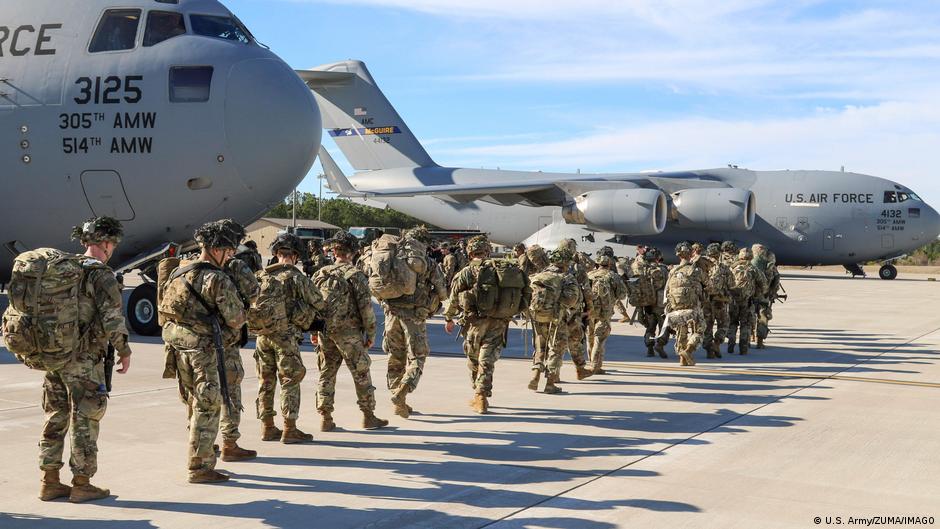
The US is expected to deploy ~3,000 additional soldiers (82nd Airborne) to the Middle East, increasing on‑the‑ground military posture. Brent crude has climbed back above $100/barrel; Bangladesh hiked jet fuel by 79% (aviation fuel +111% since the war began) and the Philippines declared a one‑year national energy emergency. Continued strikes, Iran's effective closure of the Strait of Hormuz and regional escalation raise meaningful downside risk to global energy supply and shipping — expect elevated volatility and risk‑off flows across markets.
Markets are pricing a persistent Middle East risk premium that will likely compress global hydrocarbon flows for weeks-to-months; routing around chokepoints typically adds roughly one-to-two weeks to voyage times, lifting spot freight and tightening refined product availability in importing hubs. That transmission disproportionately benefits owners of crude/PRODUCT tonnage and vertically integrated producers who can capture widened refining spreads, while airlines, airfreight integrators and EM importers will see immediate margin pressure.
A sustained kinetic footprint also creates a multi-quarter growth impulse for defense, surveillance and secure-communications vendors and a separate multi-year upgrade cycle in sanctions compliance, maritime tracking and cyber-resilience. Procurement cycles mean revenue recognition lags but margin upside is structural — expect contract awards and follow-ons to lift mid-cap primes first (6–18 months) and majors later as budgets get reallocated.
On the liability side, emerging-market sovereigns and corporates that rely on subsidized fuel, migrant-worker remittances and food imports are the most exposed; fiscal strain will surface in FX and short-term debt markets, compressing carry and elevating CDS spreads in the next 1–3 months. The largest re-pricing risk is a rapid diplomatic de-escalation: a credible negotiation window can unwind energy and shipping premia inside 2–6 weeks, producing sharp mean reversion in those trades.
Net positioning should be asymmetric — own convexity into higher energy, shipping and defense with defined downside, and keep liquid hedges to monetize any fast peace-surge. Watch three near-term catalysts: credible third-party mediation (days–weeks), major port/strait re-openings (days), and G7 consensus on military support (1–3 weeks); any of these can quickly reverse the current risk-off move.
AI-powered research, real-time alerts, and portfolio analytics for institutional investors.
Request DemoOverall Sentiment
strongly negative
Sentiment Score
-0.80
Ticker Sentiment
