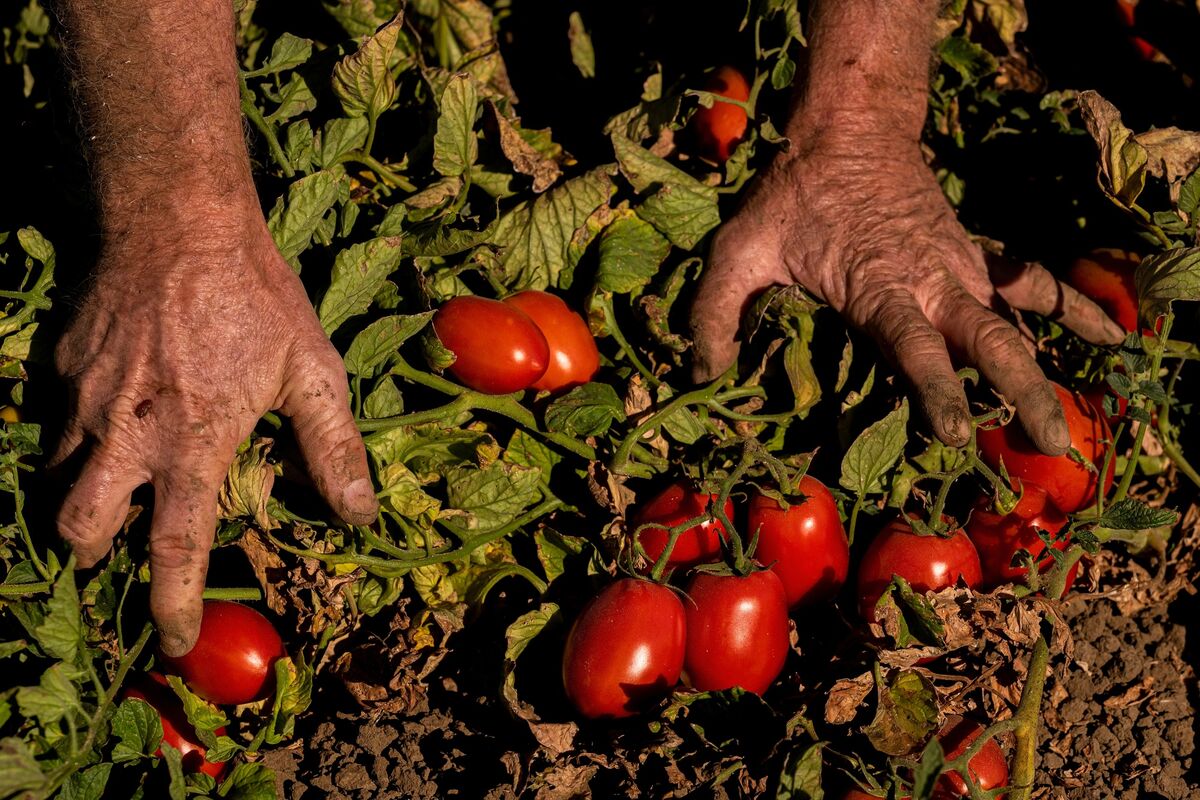
US small farm bankruptcies reached a five-year high in the first half of the year, stemming from a confluence of factors including elevated interest rates, trade war impacts, and significantly reduced demand from China, compounding years of low crop prices and rising operational costs. This agricultural sector distress is further underscored by the US Department of Agriculture's projection of record farm debt, expected to hit $561.8 billion this year.
The US small farm sector is experiencing a significant financial crisis, with bankruptcies in the first half of the year reaching their highest level since 2020. This distress is driven by a confluence of negative factors, including higher interest rates which increase debt servicing costs, and adverse trade policies that have led to a dramatic reduction in demand from key markets like China. These recent pressures are compounding a multi-year trend of low crop prices and rising operational costs. The severity of the situation is quantified by the U.S. Department of Agriculture's forecast for farm debt to reach a record $561.8 billion this year, indicating systemic stress and a deteriorating financial foundation for small agricultural producers.
AI-powered research, real-time alerts, and portfolio analytics for institutional investors.
Request DemoOverall Sentiment
strongly negative
Sentiment Score
-0.85
