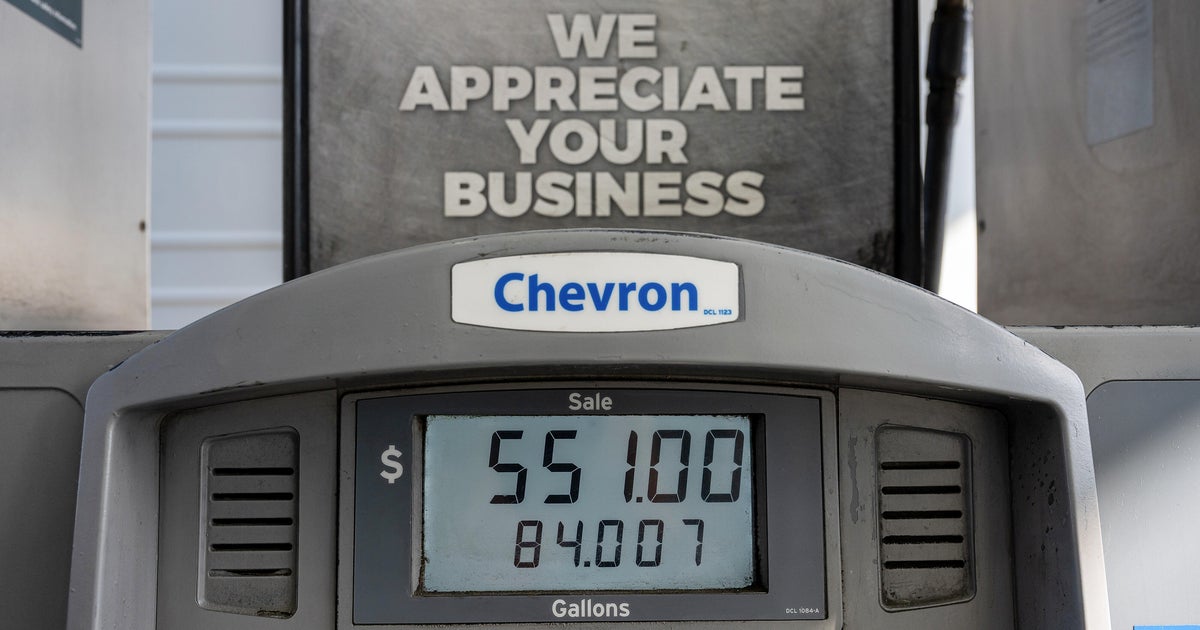
Average regular gasoline in California is $5.83/gal (up $0.27 week, $1.20 month); Los Angeles-Long Beach is $5.94/gal and diesel $7.14/gal (monthly increases $1.26 and $2.03). The surge is tied to crude price spikes after the War in Iran and closure of the Strait of Hormuz, and analysts warn prices could remain elevated for months as stations pass higher fuel delivery costs onto consumers. The U.S. administration temporarily waived summer gasoline regulations to try to blunt the spike.
Local fuel-price spikes are not just a crude-price story; they create a sticky pass-through because retail stations and wholesale rack buyers are carrying higher cost-inventories and will protect margin while that inventory amortizes. That sticky component can keep regional retail pump prices elevated for multiple inventory cycles (weeks → quarters), which lengthens duration of positive refining cracks beyond the immediate geopolitical shock.
Refiners with West Coast light-product throughput will see outsized margin capture (think $10–25/bbl incremental downstream uplift) while inland retailers, trucking firms and last-mile logistics face real input-cost compression. Diesel moves have asymmetric second-order effects: higher freight costs trade through to CPI and shrink discretionary volumes, while also generating potential modal-shift tailwinds toward more fuel-efficient rail in the medium term.
Near-term reversal drivers are clear — diplomatic resolution, large SPR-type releases or rapid demand destruction — but each has low-to-medium probability within 1–3 months. Policy interventions (state-level regulatory workarounds or price caps) and refinery maintenance cycles are wildcard catalysts that can either blunt or amplify regional spreads; monitor refinery utilization and West Coast product flows as the highest-frequency indicators for when to rotate risk exposure.
AI-powered research, real-time alerts, and portfolio analytics for institutional investors.
Overall Sentiment
strongly negative
Sentiment Score
-0.62
