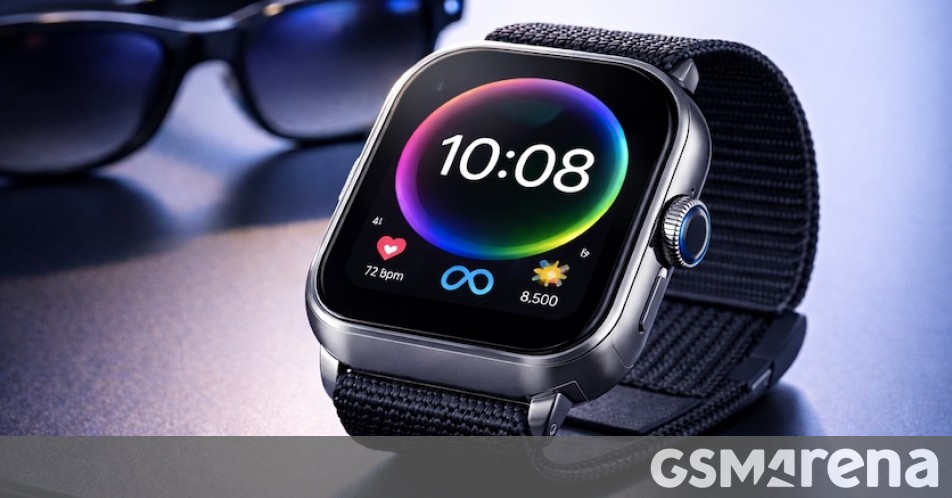
Meta has revived its smartwatch project, internally codenamed Malibu 2, with a planned 2026 launch featuring health‑tracking capabilities and integrated Meta AI, according to people familiar with the project. The decision—reportedly reaffirmed at a company strategy meeting at Mark Zuckerberg’s home—comes alongside a refresh of Ray‑Ban Display glasses (Hypernova 2) planned for later this year and AR glasses slated for 2027, positioning Meta to compete with Apple, Samsung, Google and Garmin in the wearables market.
Market structure: Meta’s revived smartwatch raises competitive pressure but is unlikely to dislodge Apple Watch leadership near-term; expect <3% global smartwatch share reallocation in 12 months and up to ~5–7% over 24–36 months if Meta leverages unique Meta AI features. Direct winners: META (ecosystem lift), suppliers of sensors/RF chips (modest rev bump); losers: niche fitness brands (GRMN) and low-end Android wearables facing pricing compression. Pricing power will be constrained — entrants typically subsidize hardware to buy users, capping margin upside for ~2–3 years.
Risk assessment: Tail risks include regulatory privacy actions or an FDA-driven health-data recall that could trigger -20% to -35% moves in META hardware/starved-ad revenue scenarios; supply-chain shocks (components lead times) could delay launch by 3–6 months. Immediate effect (days): rumor-driven volatility; short-term (3–6 months): inventory and reviews shape consumer demand; long-term (12–36 months): ecosystem monetization determines materiality. Hidden dependency: success hinges on Android/iOS integrations and Apple’s platform policies — not just product quality.
Trade implications: Favor option-based, asymmetric exposure to META rather than large outright equity; implied-volatility on META and AAPL may rise around product reveals (expected 2H–2026 for watch, 2027 for AR). Relative-value: long META optionality vs short small-cap wearables/fitness OEMs (e.g., partial GRMN exposure) to capture market-share squeeze. Rebalance tech/consumer hardware exposure into AI software providers if hardware reviews are tepid.
Contrarian angles: Market may overrate immediate disruption; consensus ignores Apple’s ecosystem stickiness and likely cooperative/competitive dynamics with Google on Wear OS. Historical parallels: Amazon Echo and Facebook Portal gained attention but limited Apple share loss — hardware can be a loss leader for services but a high-execution-risk path to monetization. Unintended consequence: privacy backlash could reduce ad targeting effectiveness, lowering META’s core-margin profile independent of hardware sales.
AI-powered research, real-time alerts, and portfolio analytics for institutional investors.
Request DemoOverall Sentiment
neutral
Sentiment Score
0.00
Ticker Sentiment
