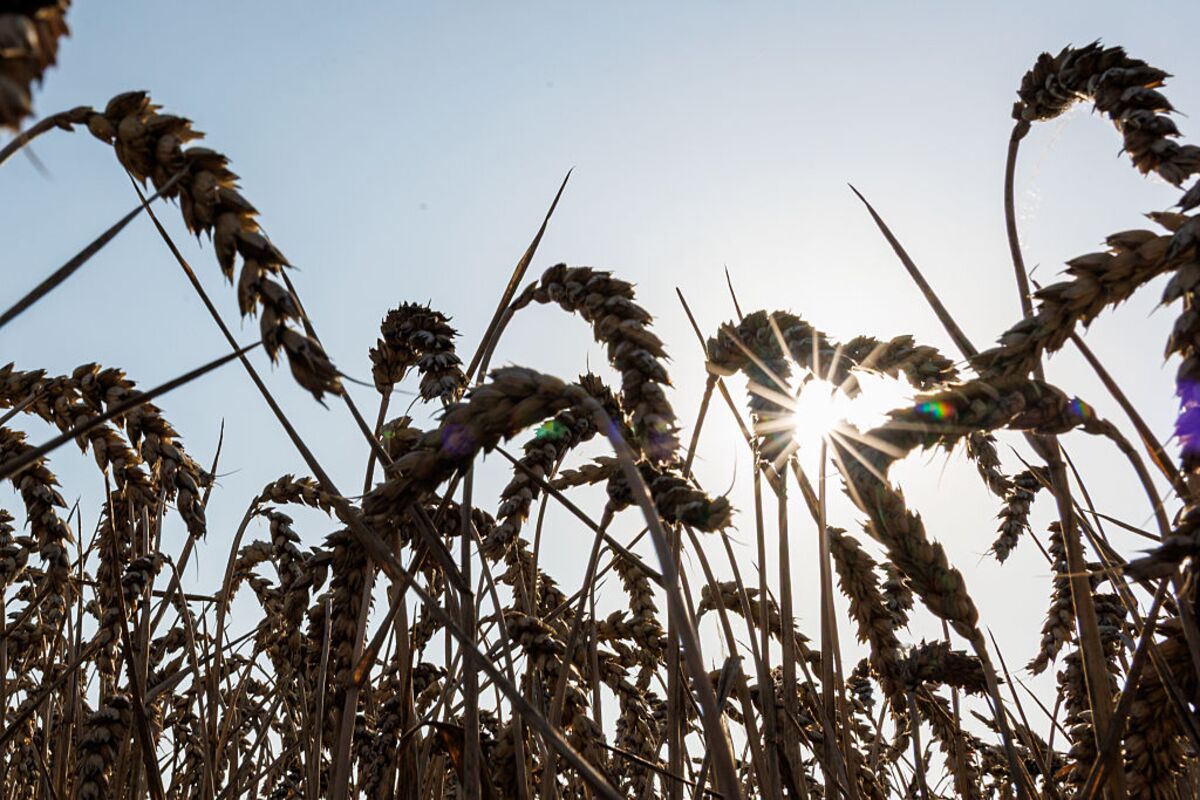
Europe's recent scorching temperatures, reaching up to 9°C above normal in key regions like northern Spain and southern France, have significantly curtailed the quality and yield of the EU's corn crop. This weather-induced production shortfall is poised to drive the European Union to its highest corn import levels in three seasons, signaling increased demand and potential shifts in global corn trade dynamics.
Severe heatwaves across the European Union, with temperatures rising as much as 9°C above normal in key agricultural regions like northern Spain and southern France, are creating a significant supply-side shock for the corn market. This extreme weather is directly degrading both the quality and yield of the current corn crop, leading to a material production shortfall. Consequently, the EU is forecast to increase its reliance on foreign supply, with corn imports projected to reach a three-year high. This development points to a tightening of the global supply-demand balance for corn, as a major economic bloc will need to secure larger volumes from the international market, likely putting upward pressure on global commodity prices.
AI-powered research, real-time alerts, and portfolio analytics for institutional investors.
Request DemoOverall Sentiment
moderately negative
Sentiment Score
-0.50
