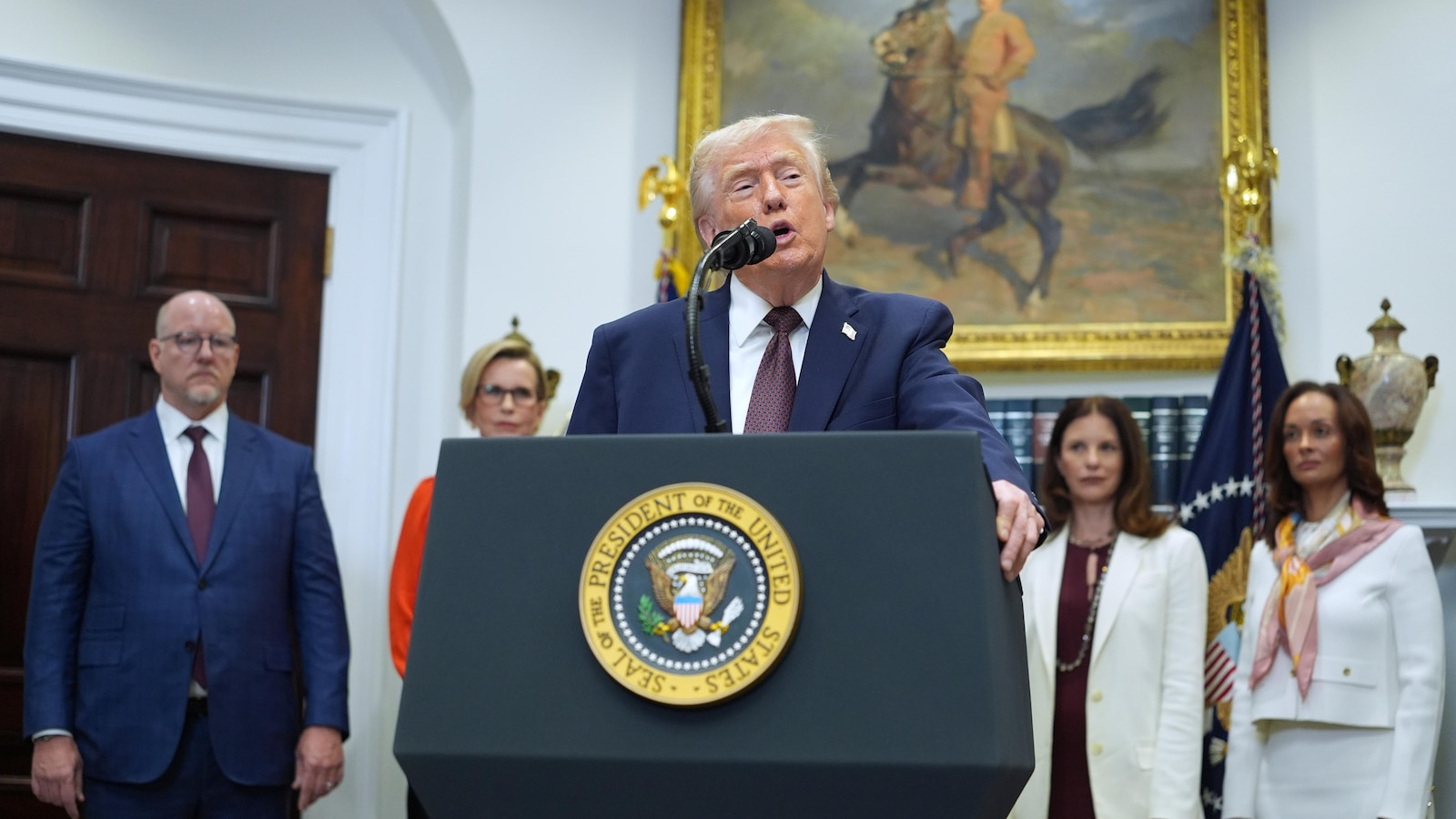
The Trump administration announced that nine major drugmakers (Amgen, Bristol Myers Squibb, Boehringer Ingelheim, Genentech, Gilead, GSK, Merck, Novartis and Sanofi) agreed to lower Medicaid prices to match what they charge in other developed countries and to apply ‘most‑favored‑nation’ pricing to new launches across commercial, cash, Medicare and Medicaid markets. Companies will also sell pharmacy‑ready medicines on a TrumpRx platform launching in January and donate active pharmaceutical ingredients to a national reserve; Bristol Myers said it will supply its top drug Eliquis free to Medicaid. Terms and magnitude of discounts were not disclosed, so the announcement is likely to exert modest downward pressure on pharma revenue expectations while benefiting state budgets and uninsured patients; the administration said it used the threat of a 10% tariff to secure agreements.
Market structure: The voluntary deals concentrate immediate downside on participating large-brand pharma that rely on U.S. list prices for growth; expect 1–3% revenue shave for heavily U.S.-exposed launches over 12–24 months if MFN-like pricing is implemented broadly. Winners are payers, state Medicaid budgets, cash patients and generic/OTC suppliers who gain demand; pricing power for new small-molecule launches erodes while patented biologics with limited alternatives retain stronger pricing in the near term.
Risk assessment: Tail risks include rapid policy escalation (Congressional mandate or enforceable MFN tariff) that could force 5–15% top-line cuts across branded portfolios, or pharma legal pushback that leads to deal unwind; timeline: market reaction in days, measurable earnings impact in quarterly releases (1–4 quarters), structural R&D allocation shifts over 2–5 years. Hidden dependencies: cost-shifting to non-U.S. markets, increased rebate/contract complexity, and supply reserve commitments that reduce inventory flexibility in crises.
Trade implications: Near-term sentiment lift can be faded; favor defensive exposure to diversified global names (NVS, PFE) and insurers/benefit managers while selectively hedging U.S.-centric drug names (GILD, AMGN). Use 3–9 month option hedges around earnings and initiate relative-value pairs (ex-US diversified long vs U.S.-dependent short) to capture expected 5–15% relative moves.
Contrarian: Consensus understates that deals are limited, voluntary and likely non-uniform — pipeline valuation for specialty biologics is underpriced by the market today. Historical parallels (past pricing negotiations) show launch sequencing and indication-based pricing can preserve economics; risk of over-selling exposed names is real if regulators fail to scale policy beyond publicity.
AI-powered research, real-time alerts, and portfolio analytics for institutional investors.
Request DemoOverall Sentiment
mildly negative
Sentiment Score
-0.23
Ticker Sentiment
