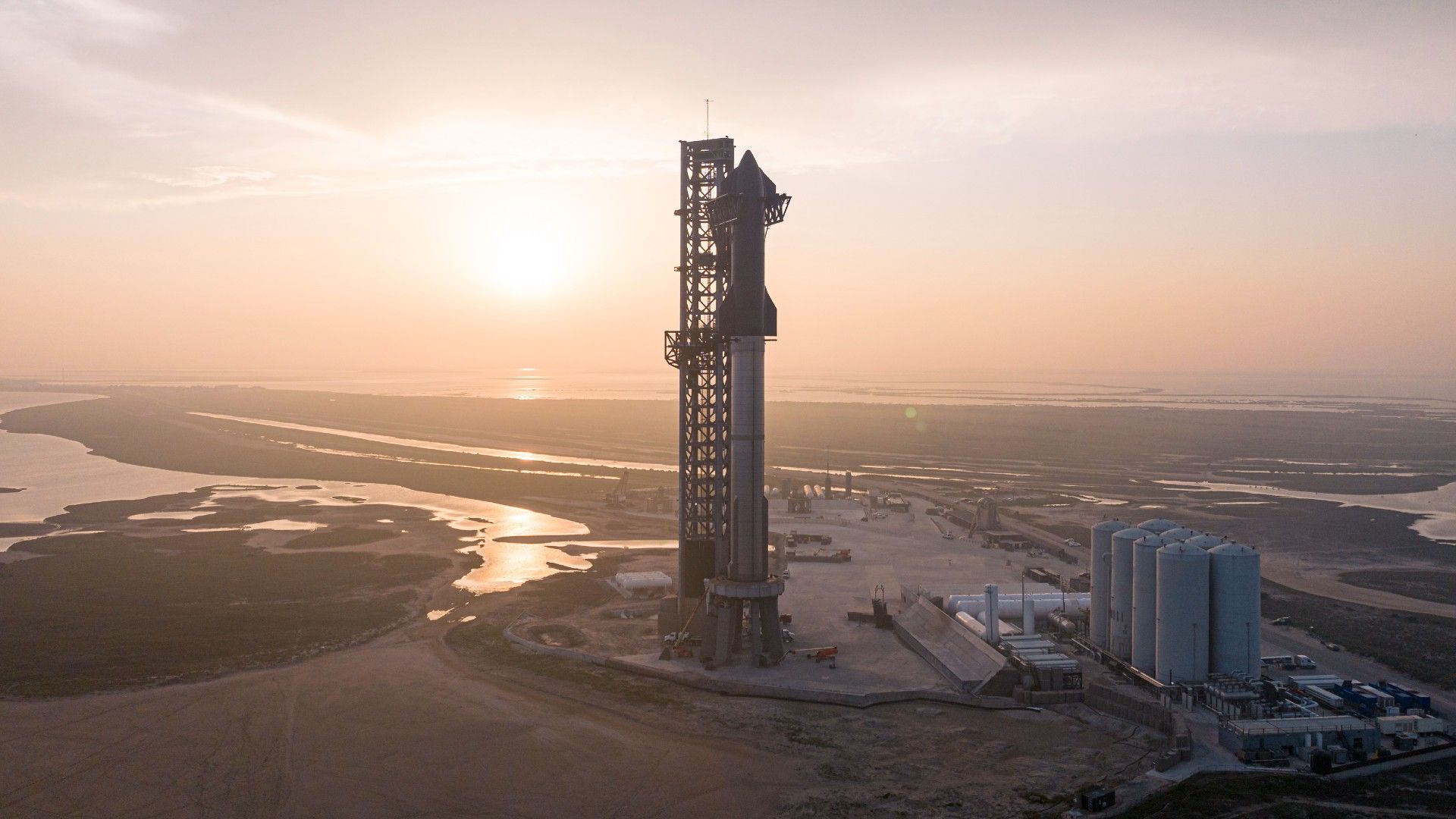
An internal SpaceX schedule obtained by Politico indicates key Starship milestones — an orbital refueling demonstration targeted for June 2026 and an uncrewed lunar landing in June 2027 — push the earliest possible crewed lunar landing to September 2028, a slip that would force NASA to delay its current Artemis 3 2027 target; SpaceX has not yet shared these dates with NASA but plans to include them in a December integrated master schedule. The revised timeline reflects mixed 2025 test results (three early launch failures followed by two Block 2 successes, including booster reflights and soft ocean touchdowns) and highlights remaining technical hurdles—most notably orbital cryogenic refueling and an uncrewed lunar landing, with SpaceX estimating up to 12 in-orbit refuels will be needed for the lunar mission. For investors and program managers this raises schedule and contract-renegotiation risk for Artemis, could extend the program cadence beyond current projections (Artemis 2 may fly as early as Feb. 2026), and underscores execution risk for SpaceX’s broader commercial ambitions tied to Starship reusability and heavy-payload services.
An internal SpaceX schedule obtained by Politico targets an orbital refueling demonstration in June 2026 and an uncrewed lunar landing in June 2027, but estimates the earliest crewed lunar landing would be September 2028; these dates currently diverge from NASA’s stated 2027 goal for Artemis 3 and have not yet been shared with the agency, with SpaceX planning to include them in an integrated master schedule due in December. SpaceX acknowledges the projected timeline falls outside its original NASA contract and intends to negotiate new deadlines with the agency, creating explicit program and contract-renegotiation risk.
Starship’s 2025 test record is mixed: five launches, with the first three losing the Ship upper stage and the latter two Block 2 flights demonstrating key capabilities including Super Heavy reflights and soft ocean touchdowns on Aug. 26 and Oct. 13. Critical technical milestones remain unproven—orbital cryogenic propellant transfer and an uncrewed lunar landing—and SpaceX estimates up to 12 in-orbit refuels will be required to support the lunar mission, underscoring execution risk for full-system reusability targets.
Implications for program cadence and commercial ambitions are material: a slippage to 2028 would extend Artemis intervals beyond current expectations and delay revenue or strategic opportunities tied to heavy-payload Starship services and lunar operations. Market signals label the story moderately negative and uncertain (sentiment_score -0.38) with modest market-impact potential (0.34), so near-term investor sensitivity should focus on schedule milestones and NASA-SpaceX contract outcomes.
AI-powered research, real-time alerts, and portfolio analytics for institutional investors.
Request DemoOverall Sentiment
moderately negative
Sentiment Score
-0.38
