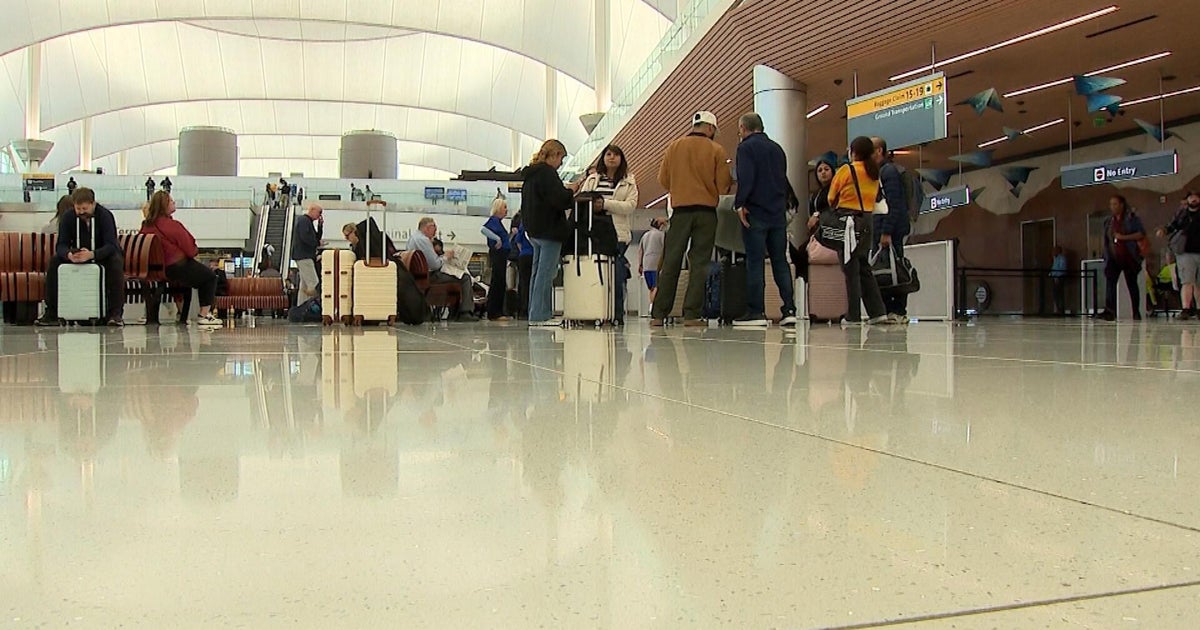
Despite the end of the government shutdown, the FAA is maintaining a 6% flight reduction at the 40 busiest U.S. airports, including Denver International, through the Thanksgiving travel period due to persistent staffing shortages among air traffic controllers. While an initial 8% cut was averted and controller callouts are decreasing, indicating potential recovery, airlines like SkyWest anticipate a gradual restoration of full schedules, contrasting with Delta CEO Ed Bastian's optimistic forecast for a return to normal operations by the weekend and confidence in holiday travel. This ongoing operational constraint highlights continued post-shutdown challenges for the aviation sector.
Despite the official end of the government shutdown, the Federal Aviation Administration (FAA) is maintaining a 6% flight reduction at the nation's 40 busiest airports, including Denver International, due to persistent air traffic controller staffing shortages. This operational constraint is expected to remain in place through the Thanksgiving travel period, highlighting lingering impacts from the 43-day shutdown where controllers worked without pay. While an initial plan for an 8% cut was rolled back and a decline in controller callouts is noted, the FAA's continued directive underscores ongoing systemic challenges.
Airline responses to the situation vary, with Delta Airlines CEO Ed Bastian (DAL) expressing significant optimism for a return to normal operations by the upcoming weekend, citing safety and impending controller payments. Conversely, SkyWest Airlines (SKYW) anticipates a more gradual restoration of full flight schedules, acknowledging that recovery will take some time. Frontier Airlines (ULCC) has implemented flexible travel policies for customers affected by the FAA directive.
The overall market sentiment is mildly positive (0.3), with an optimistic tone, largely influenced by Delta's confident outlook (DAL sentiment 0.7). However, the moderate market impact score of 0.4 suggests that while the immediate crisis has passed, the aviation sector continues to navigate operational inefficiencies. These persistent staffing issues could affect airline capacity and profitability, particularly during peak travel seasons.
AI-powered research, real-time alerts, and portfolio analytics for institutional investors.
Request DemoOverall Sentiment
mildly positive
Sentiment Score
0.30
Ticker Sentiment
