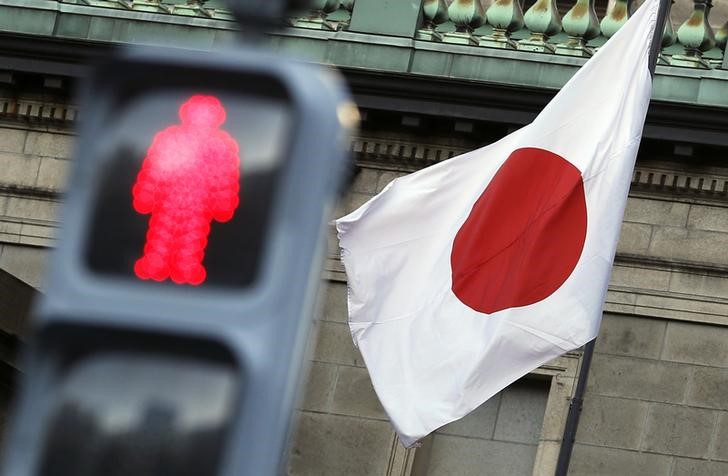
Prime Minister Shigeru Ishiba's ruling coalition lost its majority in Japan's upper house, falling short of 125 seats, signaling heightened political uncertainty following a prior lower house election loss and reflecting souring public sentiment. This electoral outcome comes as Ishiba's administration failed to secure a trade deal with the United States, leading to a significant 25% tariff set to be imposed on all Japanese exports to the U.S. from August 1. The Japanese yen firmed slightly against the dollar in immediate trading, while local stock markets were closed.
Japan is facing a period of heightened political and economic uncertainty following the loss of the upper house majority by Prime Minister Shigeru Ishiba’s ruling coalition. This electoral defeat, which follows a significant loss in the lower house election last October, signals deteriorating public confidence and increases the risk of political gridlock. The situation is critically compounded by the administration's failure to secure a trade deal with the United States, resulting in a substantial 25% tariff on all Japanese exports to the U.S., set to take effect on August 1. This tariff poses a direct threat to Japan's export-driven economy. In the immediate aftermath, the Japanese yen strengthened slightly against the U.S. dollar, with the USDJPY pair falling 0.3% in volatile trading. However, with Japanese stock markets closed for a holiday, the full equity market reaction to these dual political and trade shocks has yet to be observed.
AI-powered research, real-time alerts, and portfolio analytics for institutional investors.
Request DemoOverall Sentiment
moderately negative
Sentiment Score
-0.60
Ticker Sentiment
