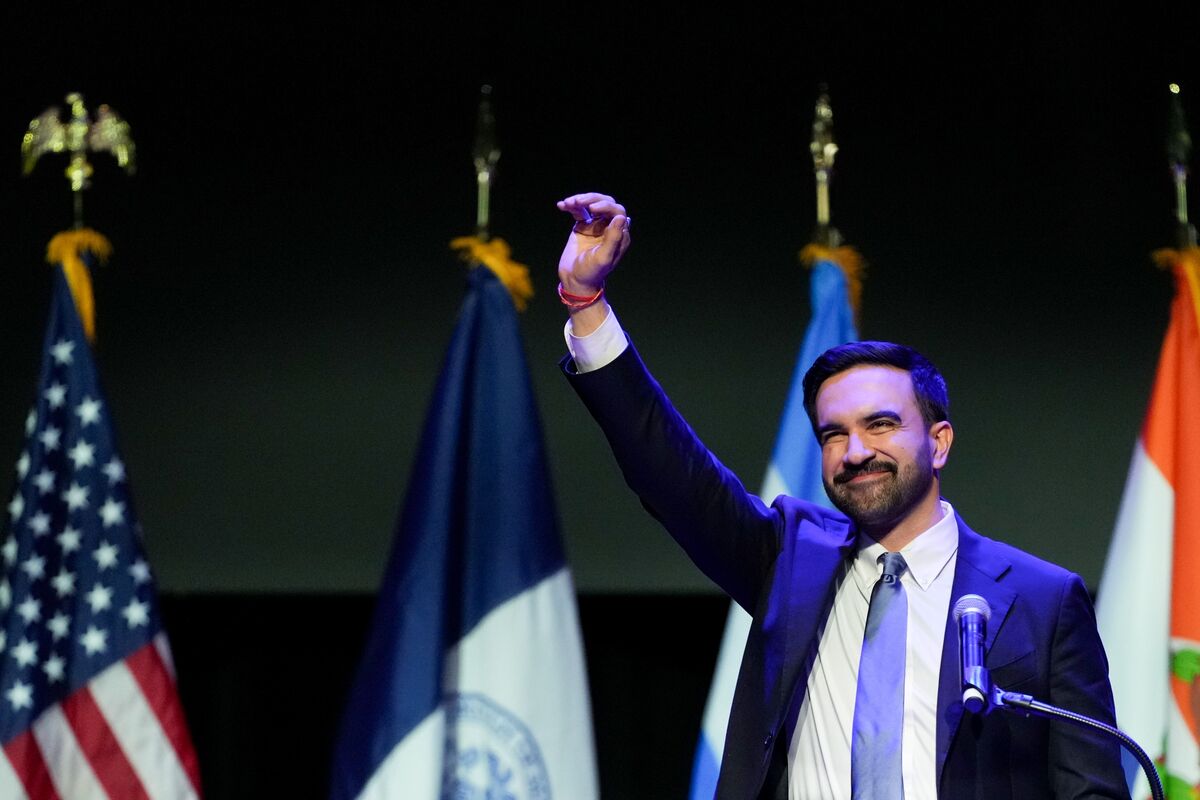
Hedge fund manager Bill Ackman reportedly engaged in significant political opposition against democratic socialist candidate Zohran Mamdani in New York City, reflecting broader resistance from the financial elite against progressive political agendas. Mamdani noted Ackman's substantial spending against him, underscoring the financial sector's involvement in local political dynamics.
The article highlights significant political opposition from prominent financial figures, including Bill Ackman, against democratic socialist candidate Zohran Mamdani in New York City. This engagement, marked by substantial financial outlays, signals broader Wall Street apprehension towards progressive political agendas.
The "hot commie summer" narrative reflects the financial elite's concern over potential policy shifts, particularly in areas like taxation and fiscal policy. Mamdani's observation regarding Ackman's spending highlights the perceived economic threat from such platforms.
While the immediate market impact of this specific local political contest is assessed as low (0.1), the underlying themes of "Elections & Domestic Politics," "Tax & Tariffs," and "Fiscal Policy & Budget" are critical for institutional investors. This dynamic underscores ongoing tension between financial interests and evolving political landscapes, which can influence investor sentiment and positioning.
AI-powered research, real-time alerts, and portfolio analytics for institutional investors.
Request DemoOverall Sentiment
mildly positive
Sentiment Score
0.30
