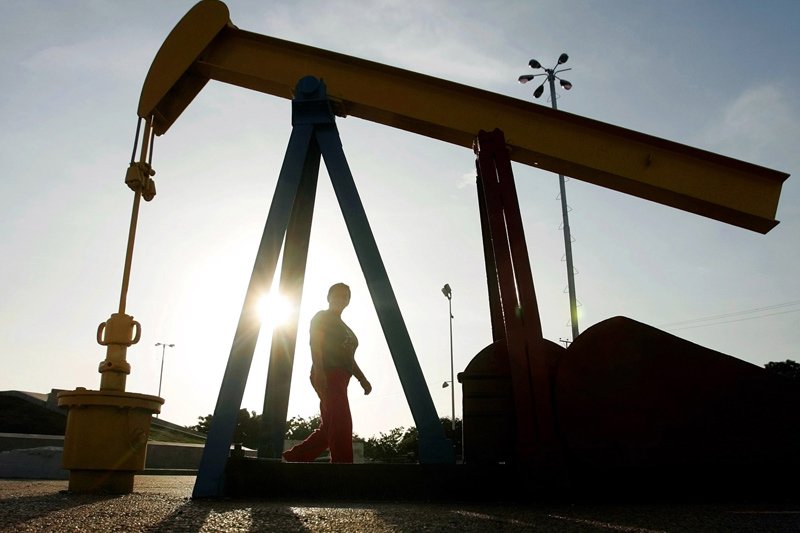
Crude Oil WTI was trading around $111 at 10:50 AM as markets showed a muted reaction. Iran rejected a U.S. ceasefire proposal — replying via Pakistan with a 10-clause response that demands a permanent end to the war, safe passage through the Strait of Hormuz, lifting of sanctions and reconstruction. Despite heightened geopolitical risk, equities opened slightly higher and oil moved little, suggesting limited immediate market disruption but elevated tail-risk for energy and regional trade routes.
The market is underpricing asymmetric supply-risk: a localized disruption to tanker routes or a spike in war-risk insurance can transmit to crude delivered costs faster than upstream producers can ramp supply. A 50-150 kbpd effective disruption, which is well within historical incident outcomes, typically supports $8–$18/bbl moves within days because freight, insurance and rerouting amplify the headline physical deficit.
This amplification creates a clear dispersion trade between asset types. Short-cycle US shale captures most incremental margin within weeks and converts to FCF quickly, while large integrated majors and national oil companies face slower capital reallocation and larger sovereign/legal tail-risks. Meanwhile, insurance and reinsurance cycles reset over 6–18 months, which benefits carriers and specialty brokers before capital returns normalize pricing.
Positioning and derivatives show complacency: implied vol for oil-related equities and crude futures has not fully reflected the non-linear downside of chokepoint events, so option skew is a cheap source of convexity. Conversely, regional refiners and import-dependent utilities are the first to feel margin pressure if freight/insurance-driven delivered costs rise; those strains show up inside one quarter.
Key catalysts to monitor are: (1) a measurable interruption to key seaborne routes (days–weeks) which would spike prices and vols; (2) credible diplomatic progress or coordinated SPR sales (weeks–months) which would compress premia; and (3) any signs of sanctions-relief counterparty access that shift capital flows and reconstruction timelines (12–36 months).
AI-powered research, real-time alerts, and portfolio analytics for institutional investors.
Overall Sentiment
mildly negative
Sentiment Score
-0.15
