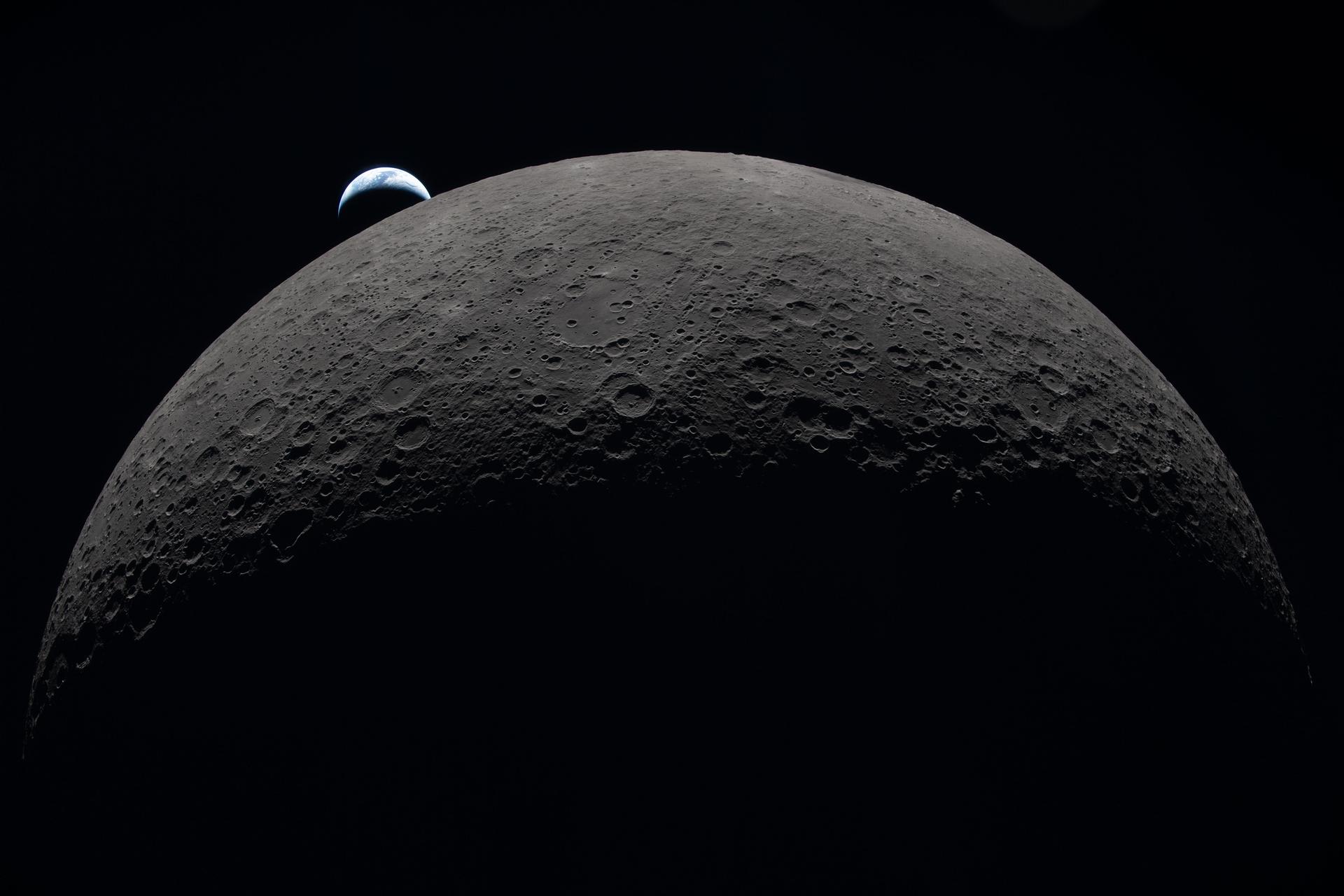
NASA awarded Interlune a $6.9 million firm-fixed-price contract over 1.5 years to develop lunar resource-prospecting hardware for in-situ resource utilization. The work will validate tools to collect and sort regolith, extract volatile gases, and measure concentrations using a mass spectrometer inspired by NASA’s MSOLO technology. The contract is a positive but niche catalyst for commercial space and lunar tech development, with limited near-term market impact.
This is less about near-term revenue and more about NASA quietly underwriting the de-risking stack for lunar industrialization. The first-order beneficiary is the mission provider with the deepest exposure to CLPS-adjacent payload cycles, but the larger second-order winner is any company that can own the “pick-and-shovel” layer for lunar prospecting instruments, sample handling, and onboard analytics. If NASA standardizes around reusable sensing architectures, the commercial moat shifts away from one-off hardware and toward integration, calibration, and data-processing workflows. The key catalyst is not the contract size; it is whether this becomes a repeatable procurement template that pulls private capital into an otherwise speculative category. A successful validation campaign would improve bankability for follow-on payloads over the next 12–24 months, which matters because lunar resource extraction is currently a narrative asset with very low commercialization probability. The real economic inflection only arrives if prospecting tools become part of a bundled service layer for future landers, reducing per-mission marginal risk and creating a recurring instrumentation replacement cycle. The contrarian angle is that this is bullish for the ecosystem but not necessarily for the specific “resource extraction” pure play in the headline. Investors may be overestimating how much of the value accrues to upstream prospecting versus the lander/communications/mission-operations providers that actually enable payload execution. Another underappreciated risk is timeline slippage: technical validation can look good in lunar analogs yet fail to convert into flight heritage, which would push monetization out several years and compress sentiment quickly if the next milestone is delayed. For broader themes, this supports a long-duration thesis on lunar infrastructure rather than immediate commodity demand. If lunar ISRU ever scales, the beneficiary set is more likely to include robotics, autonomy, sensors, and power systems than raw-material miners in the near term. That makes the trade setup more asymmetric in infrastructure enablers than in speculative resource names.
AI-powered research, real-time alerts, and portfolio analytics for institutional investors.
Request DemoOverall Sentiment
mildly positive
Sentiment Score
0.25
Ticker Sentiment
