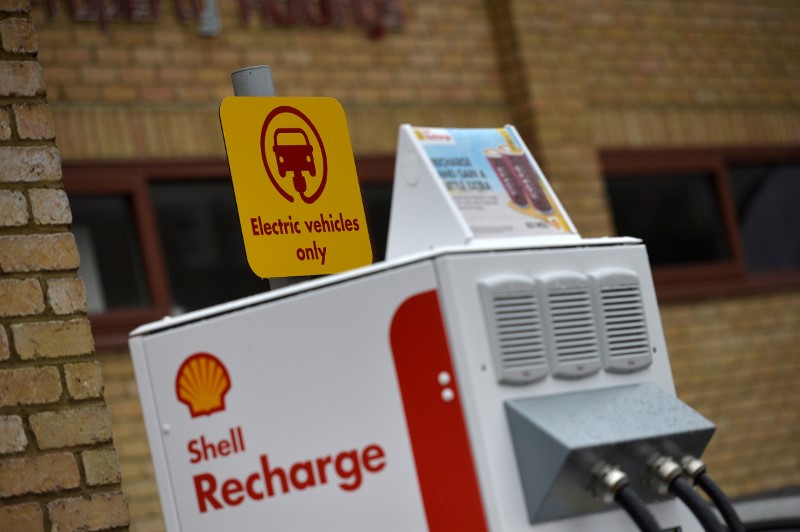
Shell reported Q1 2026 adjusted earnings of $6.92 billion, above the $6.36 billion consensus and up from $5.58 billion a year earlier, driven by stronger trading, better refining margins, and lower costs. The company trimmed its quarterly buyback to $3.0 billion from $3.5 billion and guided Q2 integrated gas output of 580–640 thousand boe/d and upstream output of 1,620–1,820 thousand boe/d, reflecting Middle East conflict disruptions and higher maintenance. Net debt rose to $52.6 billion and gearing increased to 23.2% amid weaker cash flow and higher shipping lease costs tied to the conflict.
The market is signaling that the geopolitical risk premium in crude can mean-revert faster than earnings power in integrated oil, and that asymmetry matters for positioning. Shell’s quarter shows the operating business is still strong, but the cash-flow bridge is now more sensitive to inventory/working-capital swings and shipping/lease costs tied to conflict-related bottlenecks, so headline profitability may overstate near-term distributable cash generation. That makes the equity less a pure oil beta and more a spread trade on refining/trading strength versus upstream disruption.
The second-order loser from easing Hormuz tension is the logistics stack: LNG shippers, VLCC operators, and any charter-heavy energy names that benefited from rerouting and insurance repricing should see the fastest air-pocket if diplomatic progress holds for even a few weeks. Conversely, downstream/refining margins may stay supported longer than crude because maintenance season and product tightness can lag the prompt oil move, creating a window where commodity-sensitive upstream names underperform while refiners hold up. The market may be underestimating how quickly a lower crude tape reduces the incentive for inventory hoarding, which can amplify downside in near-dated oil futures.
The contrarian read is that this is not yet a clean “sell energy” signal; it is a rotation within the complex. If tensions ease, the first beneficiaries are airlines, chemicals, transport, and industrials with high fuel input sensitivity, while the immediate casualties are high-beta E&Ps and shipping/leasing names. The key catalyst is whether diplomatic headlines translate into lower freight and insurance rates; if they do, the earnings hit to transport spreads can show up within 1-2 quarters even if Brent only softens modestly.
AI-powered research, real-time alerts, and portfolio analytics for institutional investors.
Request DemoOverall Sentiment
mildly positive
Sentiment Score
0.22
Ticker Sentiment
