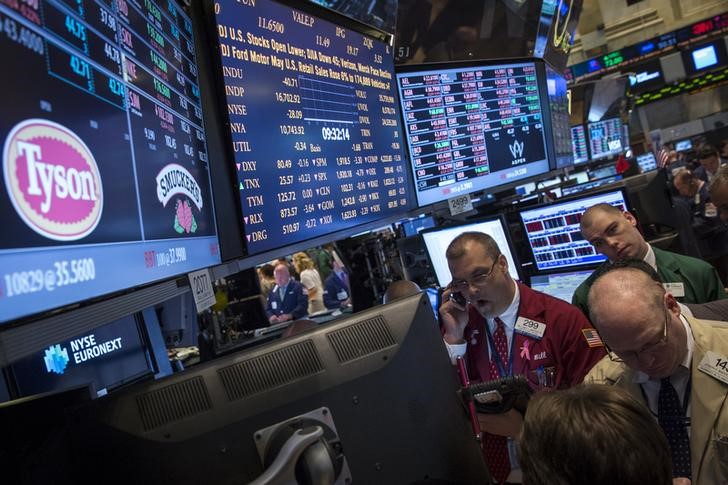
Tyson Foods beat Q2 expectations with adjusted EPS of $0.87 versus $0.78 consensus and revenue of $13.65 billion versus $13.61 billion expected, helped by strong Chicken and Prepared Foods performance. Chicken adjusted operating income was $523 million and Prepared Foods $352 million, partially offset by a $202 million adjusted operating loss in Beef. The company also guided fiscal 2026 adjusted operating income to $2.2 billion-$2.4 billion and free cash flow to $1.2 billion-$1.8 billion, while shares rose 2.3% premarket.
TSN is printing a classic mix of cyclical recovery and portfolio cleanup: the market is rewarding the fact that the higher-quality protein mix is carrying the business while the structurally ugly beef leg remains a drag. The key second-order effect is that management is effectively signaling a capital allocation reset—deleveraging plus steady FCF should let the equity re-rate if investors believe the earnings bridge is repeatable rather than just a near-term margin pop.
The more important lens is competitive positioning. In chicken and prepared foods, Tyson is benefiting from a better pass-through environment and tighter supply discipline, which usually forces weaker processors and private-label incumbents to compete harder on price or lose volume. If feed costs stay benign and poultry supply doesn’t outrun demand, the margin profile can stay elevated for multiple quarters; if not, this is the part of the stack most likely to normalize first.
The bearish risk is that the market may be extrapolating peak-ish segment margins into FY26 while underestimating how quickly beef losses can offset gains if cattle tightness persists. This is not a clean secular growth story; it is a spread trade on protein mix, and the biggest reversal trigger is a swing in input costs or retail pricing pressure over the next 2-3 quarters. On the positive side, the improved cash generation and debt reduction reduce balance-sheet risk, making the downside less about solvency and more about multiple compression if guidance proves too optimistic.
Consensus is probably missing how much the stock can move simply on durability of FCF, not headline earnings. If Tyson can convert even the low end of guided free cash flow while reducing leverage, the equity deserves a modest rerating; if not, the current move is likely just a relief rally. The setup looks more attractive for tactical upside than for long-duration ownership, unless management proves the chicken/prepared foods margin structure is a new base.
AI-powered research, real-time alerts, and portfolio analytics for institutional investors.
Request DemoOverall Sentiment
moderately positive
Sentiment Score
0.62
Ticker Sentiment
