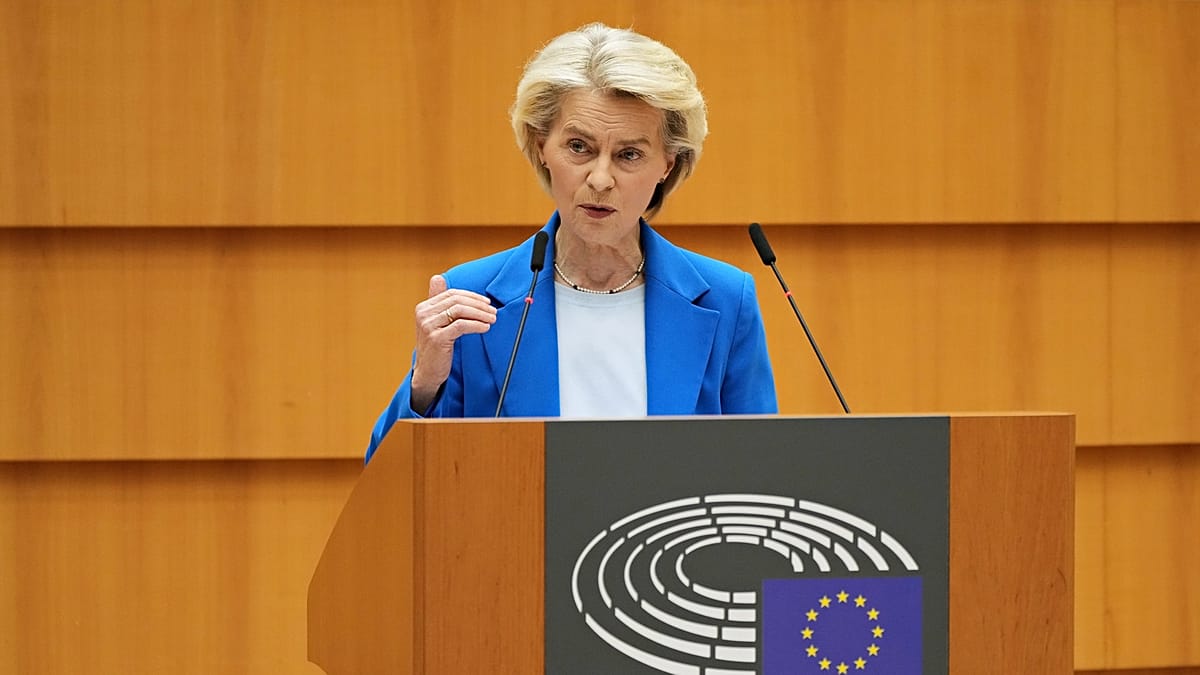
The European Commission proposed a 20th sanctions package targeting Russia’s energy sector, banking, crypto and commodities including a proposed full ban on maritime services for vessels carrying Russian crude (which would effectively void the G7 dynamic price cap within EU jurisdiction) and a revised G7 cap level of $44.10/barrel (the US retains $60). The package would blacklist an additional 42 'shadow fleet' vessels (total 640), ban maintenance of LNG tankers and icebreakers, prohibit EU imports of Russian LNG by year‑end, target 20 regional banks, restrict metals/chemicals/critical minerals (~€570m) and trigger an Anti‑Circumvention Tool to curb re‑exports of CNC machines and radios; approval requires unanimity among the 27 EU capitals and UK cooperation on P&I insurance, while Washington signals further measures may follow.
Market structure: The proposed EU ban on maritime services to vessels carrying Russian crude (and LNG/icebreaker servicing) would remove a large subset of reliable insurance/shipping capacity and tighten tanker availability, pushing freight rates and risk premia higher; expect displacement of ~hundreds of voyages and a material tightening in Atlantic/Med shipping windows over 1–6 months. Simultaneously, an EU LNG import ban by year-end shifts marginal supply to non-Russian exporters (US/Norway/Qatar), supporting north-western European gas and LNG price differentials and raising backend curve risk for global LNG sellers.
Risk assessment: Tail risks include full G7 alignment with extraterritorial enforcement (large shock to Russian volumes and acute rerouting to Asia) or retaliatory Russian export cut-offs; probability moderate in 3–12 months but impact high (Brent +20–40%). Hidden dependencies: UK P&I insurance dominance means UK non-participation materially reduces ban efficacy; watch London regulatory signals. Catalysts: G7 decision, UK sign-up within 30 days, and EU unanimity votes are binary triggers.
Trade implications: Near-term winners: listed LNG exporters (Cheniere LNG, Equinor, large integrated majors with LNG exposure) and tanker owners/TC markets if capacity tightens; losers: entities with Russian exposure (Rosneft/Lukoil already sanctioned), certain European banks with shipping/energy loan books, and crypto platforms used for sanctions evasion. Cross-asset: expect higher oil & LNG forwards, widening Brent-Urals spreads, RUB depreciation and higher volatility priced into energy options.
Contrarian view: Consensus assumes immediate collapse of Russian exports; realistically partial circumvention and Asian demand will blunt full supply loss. That makes directional oil longs risky without volatility hedges — opportunity exists to buy time-limited convex exposure (calls/call-spreads) and selectively overweight LNG exporters while avoiding over-levered shipping financiers if UK resists full ban.
AI-powered research, real-time alerts, and portfolio analytics for institutional investors.
Request DemoOverall Sentiment
moderately negative
Sentiment Score
-0.45
