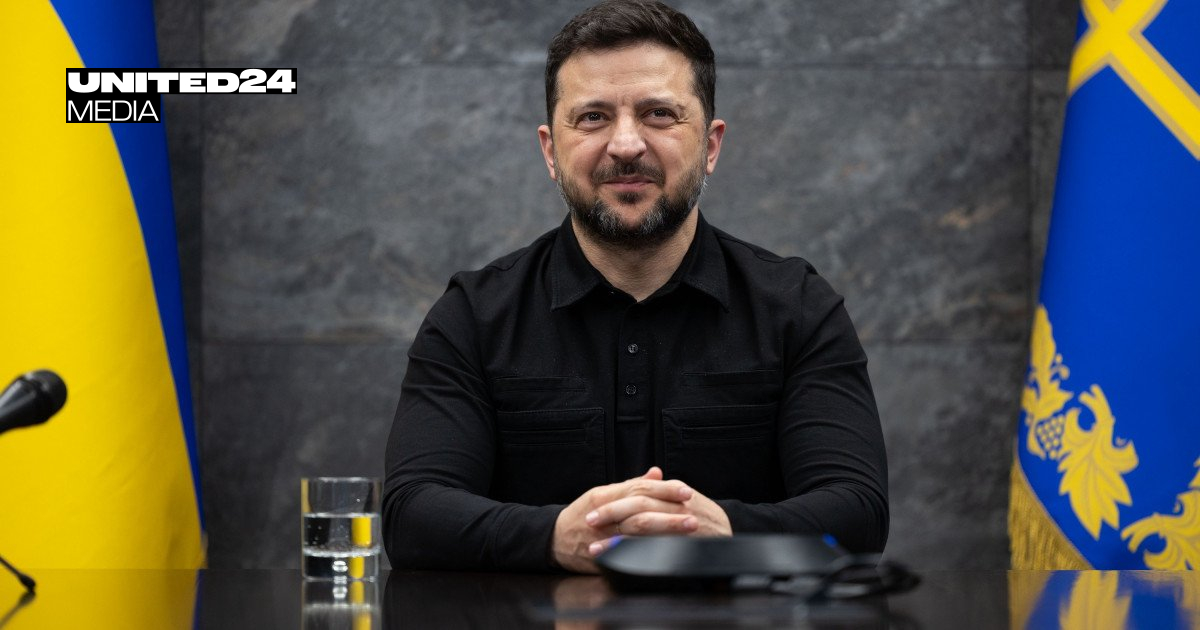
Zelenskyy said Russia has been losing battlefield initiative since December 2025 and can no longer seize more territory in a month than Ukraine liberates, framing a potential diplomatic window before next winter. He urged maintaining or increasing sanctions pressure, warning that lifting sanctions would bolster Russia’s defense industry and not materially reduce global oil prices, since Russian crude is only about 5% of global supply. The piece is geopolitically important but mainly reinforces existing war and sanctions dynamics rather than introducing a major new market shock.
The market implication is not a broad “peace trade” so much as a re-pricing of the war’s marginal intensity. If Kyiv can credibly hold or regain ground into the next 1-2 quarters, the most exposed assets are the long-duration beneficiaries of escalation risk: European industrials with heavy input costs, airfreight/logistics with rerouting assumptions, and select defense names whose order books already discount a multi-year urgency premium. More interestingly, a plateau in battlefield momentum raises the odds of a negotiated freeze rather than a durable settlement, which tends to keep risk premia embedded in Eastern European assets and keeps sanctions-sensitive balance sheets from rerating fully.
The second-order effect is on energy and refining spreads rather than headline crude. Even a modest probability of sanctions tightening or removal can move forward curves and crack spreads by more than spot oil, because the market is pricing optionality on Russian molecules returning in a constrained, uneven way. That means the biggest loser from any genuine diplomatic opening may be not U.S. shale, but European diesel and middle-distillate complex margins if freight, insurance, and compliance frictions unwind faster than physical barrels can re-enter.
The contrarian view is that sanctions fatigue is the real risk, not battlefield headlines. If Western policy drifts toward symbolic negotiation without enforcement, Russia can preserve the military-industrial base while partially normalizing trade channels, which would be bearish for defense multiples and bullish for select industrial input names that benefit from lower freight and energy costs. The catalyst horizon is months, not days: winter tends to reintroduce energy-security anxiety, so any market relief could reverse quickly if infrastructure attacks or gas-storage concerns resurface before heating season. This argues for trading the volatility around policy headlines rather than making an outright directional bet on peace.
AI-powered research, real-time alerts, and portfolio analytics for institutional investors.
Request TrialOverall Sentiment
mildly negative
Sentiment Score
-0.15
