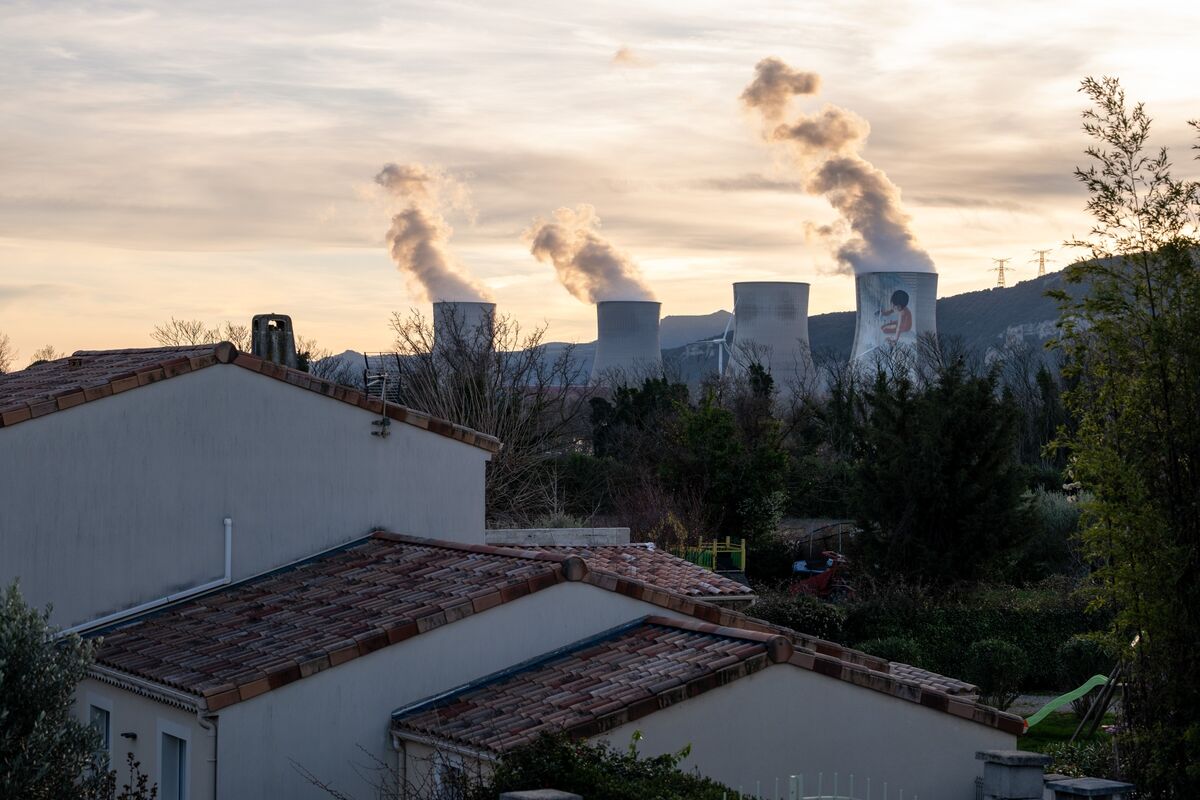
TotalEnergies signed a 12-year deal with EDF to supply roughly 60% of its French refinery and chemical-site power needs (about 400 MW) beginning January 2028. The contract secures long-term baseload nuclear supply, improving operational visibility and supporting Total's low-carbon transition while providing EDF with stable contracted demand.
Locking a large, long-dated baseload supply into an oil-refining footprint changes the marginal economics of integrated downstream assets: it substitutes a volatile, fuel-linked input for a contracted, lower-volatility price stream, compressing operating-cost VaR and raising refinery IRR sensitivity to product cracks rather than power spreads. That second-order effect should disproportionately benefit sites with electrification optionality (e.g., heat pumps, electric cracking) because capped baseload lowers the hurdle for electrifying heat-intensive processes — expect incremental CAPEX-to-NPV paybacks to shorten enough to accelerate retrofit rollouts within 2-4 years.
Competitively, majors without comparable access to low-carbon baseload face two squeezes: higher expected Scope 2 intensity (ESG multiple drag) and greater earnings volatility from merchant power markets. Equipment and services players exposed to nuclear maintenance and fuel-cycle work (OEMs, specialized service providers) are latent beneficiaries as utilities convert capacity into contracted, bankable cashflow — this will pull working capital and capex toward long-term service agreements rather than spot-market fossil capacity builds.
Key risks are execution and reliability: nuclear fleet availability and regulatory/political interference remain first-order tail risks that would instantly reprice the embedded margin and emissions optionality; unplanned outages within the next 12-36 months would transmit directly to refinery operating costs and could force temporary on-site fuel switching. Macro catalysts to watch are European power spreads versus baseload, EU carbon price moves (which change the relative value of electrification), and any public policy shifts that change state-utility contracting norms — any of which can flip the narrative within quarters rather than years.
Contrarian view: the market is likely underpricing operational-complexity and reliability risk while over-attributing a long-term ESG multiple to the contracting party. In other words, the headline ESG uplift is real but front-loaded valuation gains could be overstated if investors ignore outage risk and the fact that guaranteed baseload reduces merchant upside for the counterparty (creating political pressure to revisit terms). Tradeable windows therefore exist around operational news and regulatory updates rather than solely around decarbonization narratives.
AI-powered research, real-time alerts, and portfolio analytics for institutional investors.
Request DemoOverall Sentiment
moderately positive
Sentiment Score
0.32
Ticker Sentiment
