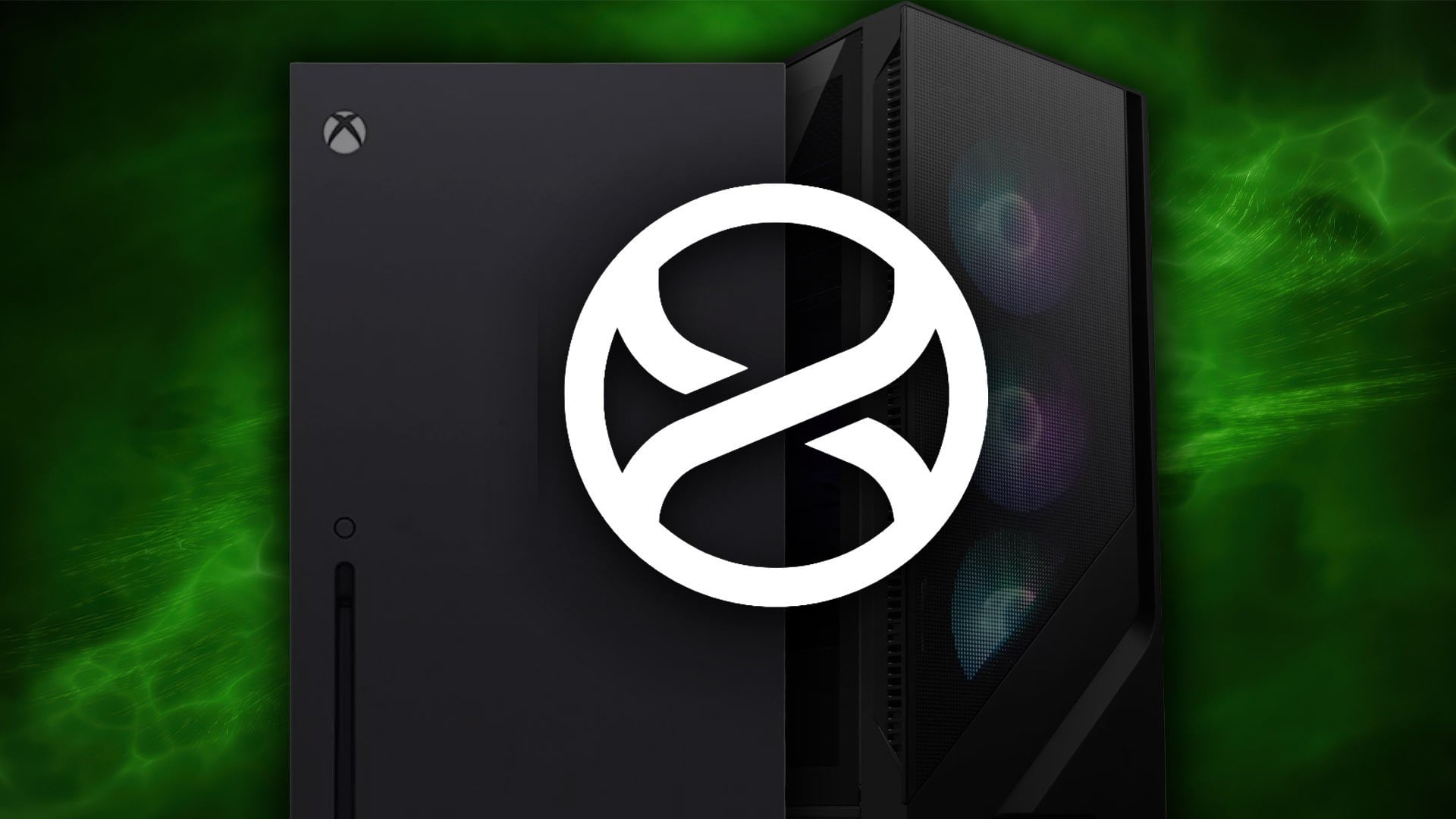
Microsoft's Project Helix is positioned as a hybrid next-gen device that blurs the line between console and PC through more open software access, PC-like architecture, and potentially broader file-system freedom. The article suggests the strategic aim is to create a distinct competitive position versus Sony's expected PS6, possibly via chipset licensing or a hybrid software library. No pricing, launch date, or financial metrics are provided, so the piece is largely conceptual and unlikely to move markets materially.
The investable takeaway is not the label of the device, but the strategic shift toward a more open, Windows-adjacent living-room endpoint. If Microsoft succeeds, the marginal winner is MSFT because it can monetize the same user across hardware, storefront, subscriptions, ads, and input-method transitions; that creates a higher lifetime value per household than a closed-box console. The second-order effect is that the hardware itself becomes less important than the OS layer and identity/account graph, which is structurally favorable to Microsoft and structurally pressure-testing Sony's ability to keep software economics enclosed.
The supply-chain implication is more subtle: a hybrid/open platform increases bargaining power for whoever controls the software distribution layer, while reducing the moat of bespoke console silicon over time. That is mildly bearish for traditional console exclusivity economics, but not uniformly bearish for component vendors; if the product is positioned more like a premium PC appliance, attach rates for higher-memory, higher-storage, and better-networking configurations could rise, which would favor AMD relative to Intel on x86 credibility and discrete/semicustom exposure. NVDA is less directly advantaged unless the platform explicitly leans into AI/graphics features that require NVIDIA branding, which is not the base case here.
The main risk is that Microsoft lands in an awkward middle ground: too open to be a console, too locked down to be a PC. That would weaken the value proposition versus both a PS6 and a Steam Deck-class device, especially if software compatibility, anti-cheat, or storefront fragmentation creates friction over the next 6-18 months. The contrarian miss in consensus is that openness alone is not a moat; the moat is convenience plus price discipline plus content breadth, and if Microsoft cannot make the experience feel meaningfully better than a standard PC, the market may overestimate the long-term share gain.
AI-powered research, real-time alerts, and portfolio analytics for institutional investors.
Request DemoOverall Sentiment
neutral
Sentiment Score
0.05
Ticker Sentiment
