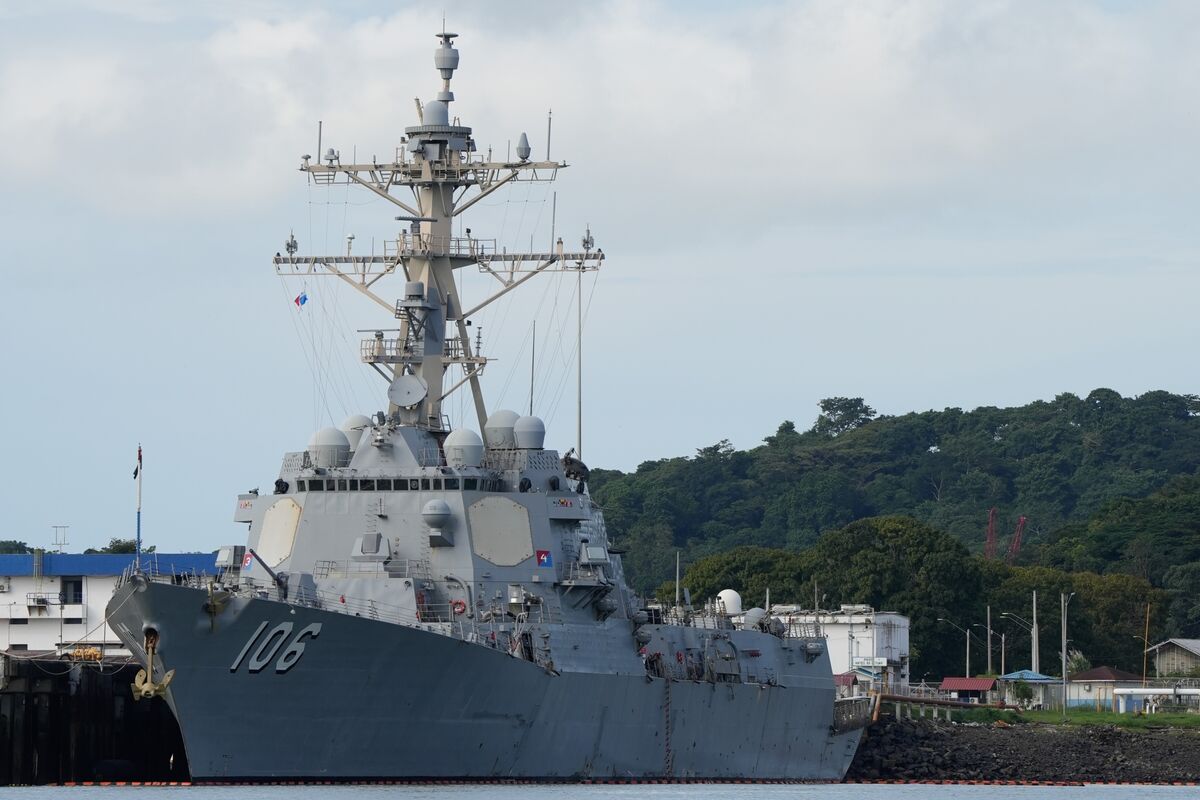
A sanctioned Russian oil tanker, the Seahorse, en route to deliver fuel to Venezuela on Nov. 13, made a U‑turn and diverted toward Cuba after a US destroyer, the USS Stockdale, positioned itself in its path, according to Bloomberg tanker‑tracking data; the Seahorse tried twice more to approach Venezuela but turned back and now idles in the Caribbean. The episode underscores rising U.S.-Russia tensions in the region and raises questions about whether Washington is prepared to interdict or otherwise curtail Moscow’s energy assistance to Caracas, with potential implications for Venezuela’s fuel supply lines and enforcement of sanctions.
A sanctioned Russian oil tanker, the Seahorse, turned away from Venezuela on Nov. 13 after a U.S. destroyer, the USS Stockdale, maneuvered into its projected path; the vessel diverted toward Cuba, attempted two subsequent approaches to Venezuela and turned back both times, and is currently idling in the Caribbean, according to Bloomberg tanker-tracking. The episode explicitly links U.S. naval presence to operational disruption of a sanctioned energy shipment and raises the prospect that Washington could actively interdict or otherwise deter Moscow’s energy assistance to Caracas.
This action is a direct enforcement signal with operational consequences: sanctioned vessels face higher risk of interdiction or denial of safe transit, which increases the likelihood of rerouting, delays and concentrated port congestion for deliveries to Venezuela. That elevates logistical and counterparty risk for entities involved in these shipments and underscores enforcement as a tool to constrain bilateral energy flows.
From a market perspective, the immediate impact appears limited (market impact score 0.3) but the sentiment is mildly negative and hawkish, implying a higher geopolitical risk premium for regional refined-product flows and tanker operations. Investors should watch freight and marine-insurance spreads, Venezuelan fuel availability metrics and any follow-on U.S. operational or sanctions moves that could amplify supply frictions.
AI-powered research, real-time alerts, and portfolio analytics for institutional investors.
Overall Sentiment
mildly negative
Sentiment Score
-0.35
