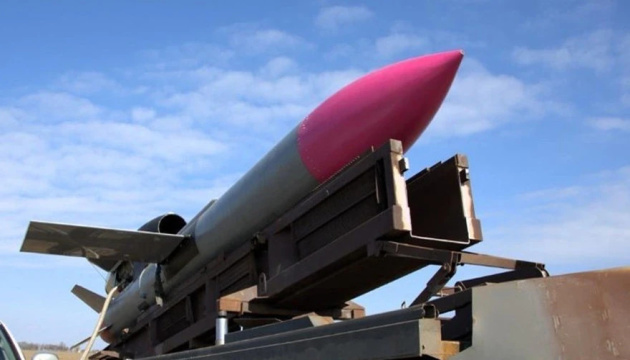
On the night of February 21 Ukrainian Missile Forces and Artillery struck the Votkinsk Plant in Votkinsk, Udmurtia with FP-5 Flamingo cruise missiles, causing a fire at a facility that manufactures RS-24 Yars family ICBMs, Yars-S/Yars-M variants, Bulava SLBMs, 9M723-1 Iskander-M missiles and 9-S-7760 Kinzhal munitions. Ukrainian forces also reportedly hit the Neftegorsk gas processing plant in Samara, fuel and lubricant depots in Donetsk, a UAV workshop near Nova Karakuba and a logistics warehouse in Polohy; damage is being clarified but the strikes risk degrading Russian missile production, military logistics and regional energy support, creating potential downside for Russian defense and regional energy-related assets and prompting a risk-off market response.
Market structure: The strike on a strategic Russian missile plant and adjacent energy infrastructure favors Western defense primes (Lockheed Martin LMT, Northrop Grumman NOC, Raytheon/RTX) and defense ETFs (ITA) via expected accelerated ordnance procurement and retrofit cycles; energy suppliers to Europe and spot oil/gas (Brent, TTF) are also potential near-term beneficiaries from supply-risk premia. Losers include Russian defense manufacturers, regional energy processors, Russian sovereign/credit (OFZ) and equities (MOEX/RSX) and the ruble; expect disorderly price moves in EM risk. Cross-asset transmission: safe-haven flows should push US Treasuries tighter, VIX higher, gold (GLD) up, and USD/RUB noticeably up (RUB down) within days. Supply/demand: localized damage tightens Russian military supply chains and may reduce missile availability by a non-trivial percentage (single-digit to low-double-digit) over months, raising demand for Western alternatives and munitions supply chains.
Risk assessment: Tail risks include rapid escalation (NATO sanctions, maritime interdictions) or cyber-retaliation that could widen energy disruptions; probability low-medium but impact high (oil +15–30%, global risk assets down >10%). Immediate (days) horizon: risk-off trades and FX dislocations; short-term (weeks–months): re-rating of defense stocks and energy volatility; long-term (quarters–years): structural increases in Western defense budgets and re-shoring/stockpiling supply chains. Hidden dependencies: insurance costs, transport chokepoints, and EU gas storage levels can amplify price moves; watch shipping insurance (P&I) and pipeline flow metrics. Catalysts: follow-up strikes, Kremlin countermeasures, NATO supply decisions, and EU/US sanctions announcements within 7–60 days.
Trade implications: Tactical direct plays — establish 2–3% long positions in LMT and NOC (equal-weight) with a 3–6 month horizon; use 6-month call spreads (buy ATM, sell 15% OTM) to cap premium. Allocate 1–2% in Brent futures or XLE for 1–3 months to capture energy premia; add 1% GLD as tail-risk hedge, increase to 3% if VIX >25 or Brent >$90. Short Russian exposure: initiate a 1–2% short RSX or long USD/RUB position, scale to 4% if RUB weakens >5% in 7 days. Pair trade: long ITA (defense) vs short XLI (industrial cyclicals) equal notional to isolate defense alpha.
Contrarian angles: The market may overpay for defense names fast; if LMT/NOC rally >25% inside 6 weeks, valuations could be stretched — trim to protect gains. Historical parallels (localized strikes on production facilities) show a 6–12 week spike followed by partial mean reversion; therefore prefer capped upside via call spreads not naked longs. Unintended consequences: sustained energy spikes could accelerate EU renewables and LNG contracts, capping long energy exposure after a 20% move; set stop-loss thresholds (e.g., cut energy longs if Brent down >15% from entry). Monitor TTF flows, OFZ yields, and official NATO procurement announcements as decision triggers within 30–90 days.
AI-powered research, real-time alerts, and portfolio analytics for institutional investors.
Request DemoOverall Sentiment
strongly negative
Sentiment Score
-0.55
