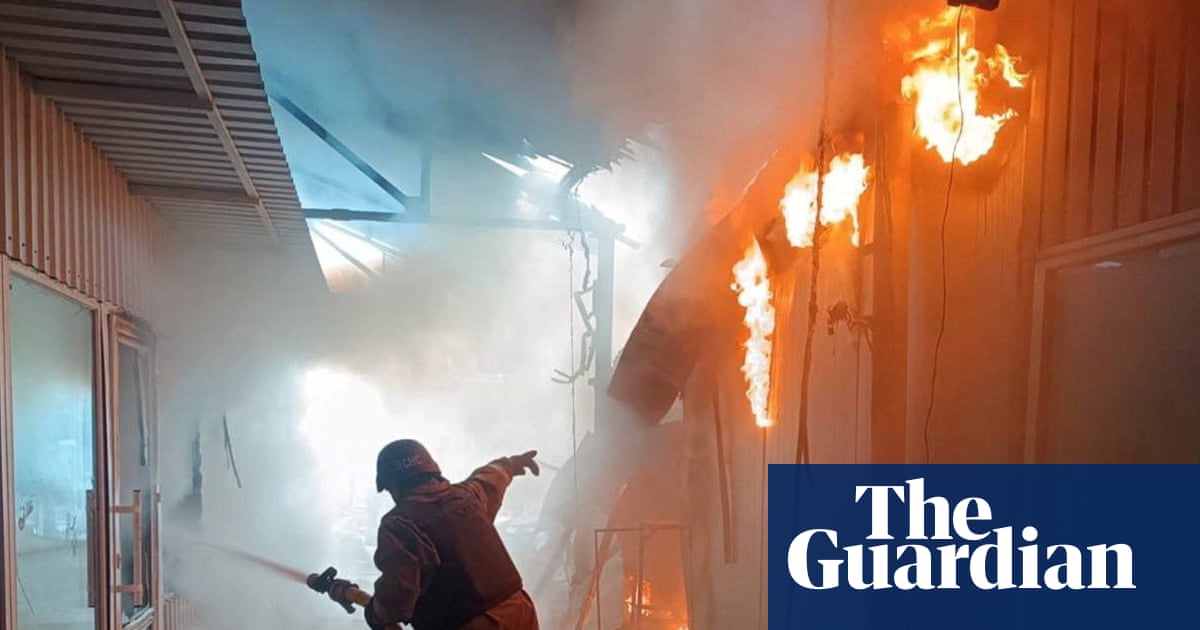
286 Russian drones were reported fired overnight (260 intercepted), with a market strike in Nikopol killing 5 and wounding 25, and multiple other civilian casualties across Sumy, Donetsk and Luhansk. Slovakia's PM Robert Fico urged the EU to end sanctions on Russian oil and gas to alleviate the IEA-described "biggest oil supply disruption in history" after oil prices surged since 28 Feb, a development that could materially affect global energy markets. Kyiv announced closer security cooperation with Turkey and potential US envoys (Kushner, Witkoff, Lindsey Graham) may visit Kyiv in April as diplomatic efforts to revive talks continue.
Markets are re-pricing two opposing structural forces: a near-term supply shock driving volatility in oil and gas, and a political push in parts of the EU that could, if successful, materially increase Russian energy flows months down the road. The immediate effect is higher event-driven volatility (days–weeks) and a premium on physical delivery/insurance costs; the medium-term effect (3–9 months) depends on whether payment/insurance work-arounds and political unanimity allow Russian barrels back into western supply chains.
A fracturing of EU common policy would be a slow-moving catalyst: logistics (insurance, shipping routes, reactivation of buyers) and legal corridors create a 2–6 month lag between any political decision and meaningful incremental supply hitting markets. That lag creates a window where prices can spike and then reverse sharply if policy changes materialize — asymmetric outcomes that favour option-based trades rather than outright directional carry positions.
On the security side, stepped-up drone/strike activity accelerates demand for integrated air-defence, counter-UAV systems, and sustainment services — a multi-year revenue tail for prime contractors and for defense-focused subcontractors in optics, EW, and missile interceptors. Concurrently, closer Ukraine-Turkey cooperation points to export growth for Turkish defense OEMs and faster internationalization of Ukrainian operational concepts, which will show up first in procurement cycles and second in allied training/support contracts.
Macro-contagion risks are non-trivial: EU political disunity would pressure the euro and raise hedging/delivery premia for European corporates, while persistent high energy costs lengthen demand destruction timelines (industrial run cuts) and accelerate LNG shipping demand. The most likely reversal (and market shock) is either a rapid diplomatic settlement that reopens significant Middle East flows or an operational breakthrough enabling sanctioned Russian oil to re-enter markets — either path could flip the trade within 1–3 quarters.
AI-powered research, real-time alerts, and portfolio analytics for institutional investors.
Request DemoOverall Sentiment
strongly negative
Sentiment Score
-0.65
