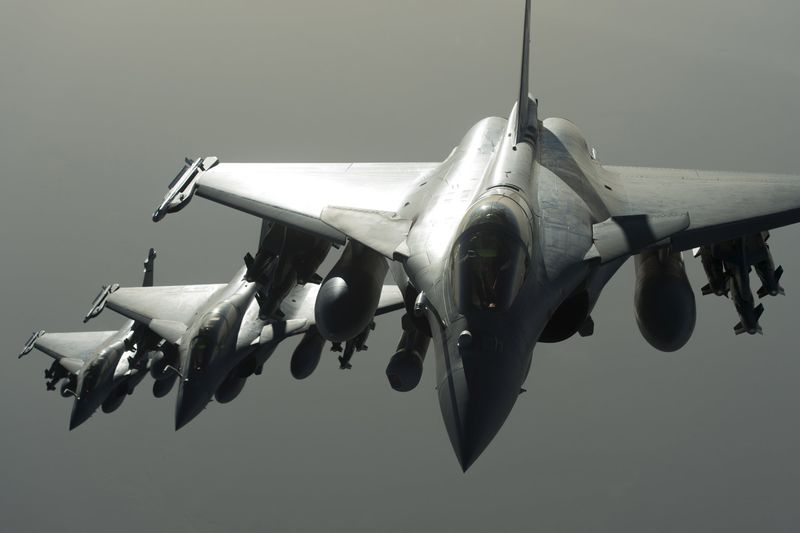
A U.S. F-15E Strike Eagle was reportedly shot down over central Iran — the first U.S. aircraft lost to enemy fire since the conflict began ~5 weeks ago — and U.S. forces are conducting a search-and-rescue for two crew. The incident follows heightened rhetoric from President Trump and an ongoing U.S.-Israeli military campaign; humanitarian toll is large with thousands killed and tens of thousands injured. Energy markets reacted sharply: WTI crude futures jumped above $110/barrel amid the escalation. This development is a material geopolitical shock with potential to drive further oil-price volatility and risk-off flows across global markets.
This escalation embeds a multi-week-to-month premium into energy and defense that will not unwind on a single ceasefire claim; the mechanics are higher risk premia on shipping (insurance and freight), tactical shut-ins in vulnerable fields, and a rapid reallocation of capital into survivable supply (tankers, storage, short-cycle US shale). Expect oil volatility to remain elevated (VIXO-style regime) with 20-30% intramonth moves likely until either shipping lanes normalize or a credible diplomatic corridor reduces asymmetric attack risk.
Defense contractors and short-cycle hydrocarbon producers have the highest asymmetric exposure: defense firms earn multi-year program optionality and near-term incremental spending while shale names convert price shocks into FCF inside 3–9 months. Conversely, demand-exposed sectors (airlines, leisure, parts of industrials that consume refined products heavily) face margin compression within weeks if fuel and insurance costs sustain at current elevated levels, with bankruptcies or restructurings clustering among weaker balance-sheet operators over 6–18 months.
Tail risks skew toward a regional widening or a temporary closure of key maritime chokepoints — both would push crude and freight rates far beyond current levels and materially slow growth, creating stagflation dynamics: commodity-led CPI re-acceleration plus real activity drag. The main de-risk path is visible and fast: coordinated strategic oil releases, insurance market normalization, or a demonstrable restraint pathway from major state actors; each could compress the fear premium within 30–90 days and snap-back energy positions hard.
AI-powered research, real-time alerts, and portfolio analytics for institutional investors.
Request DemoOverall Sentiment
strongly negative
Sentiment Score
-0.72
