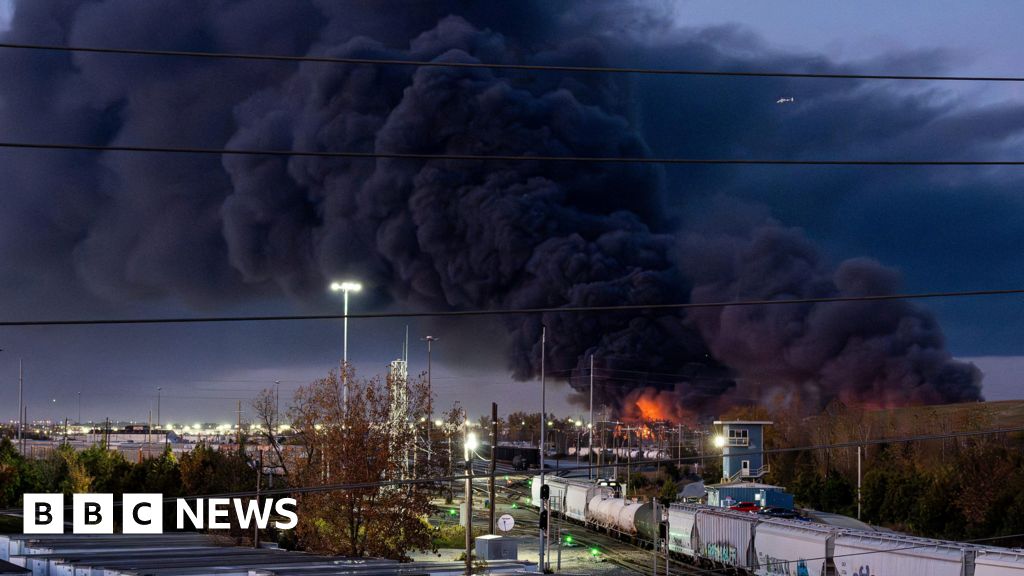
NTSB-released frame-by-frame images show an engine separating from a UPS cargo jet and striking the fuselage as the aircraft lifted off from Louisville on Nov. 4, then exploding and crashing—never exceeding about 30 ft—killing 14 (three crew, 11 on the ground) and injuring 23 while damaging a nearby UPS warehouse. The preliminary NTSB report cites fatigue cracks and overstress failure around a left-wing engine mount and a fractured bearing; the aircraft had about 92,992 flight hours and 21,043 cycles and records indicate a mandated detailed inspection due at 29,200 cycles was not completed. With tens of thousands of gallons of fuel onboard exacerbating the conflagration and prompting a shelter-in-place and state of emergency, investigators have recovered the cockpit and flight-data recorders and the probe remains ongoing.
NTSB-released frame-by-frame images and a preliminary report show a UPS cargo aircraft lost an engine during takeoff from Louisville on Nov. 4, the engine appearing to strike the fuselage as the plane lifted no more than ~30 ft before exploding and crashing. The accident killed 14 people (three crew, 11 on the ground) and injured 23, with parts hitting a nearby UPS warehouse and tens of thousands of gallons of fuel contributing to the conflagration and a temporary shelter-in-place and state of emergency.
The NTSB cited fatigue cracks and overstress failure around a left-wing engine mount and a fractured bearing; the aircraft logged ~92,992 flight hours and 21,043 cycles, and records indicate a mandated detailed inspection due at 29,200 cycles had not been completed. Investigators have recovered the cockpit and flight-data recorders and the probe remains ongoing, establishing a factual basis for regulatory and legal scrutiny tied to maintenance compliance.
For investors, the combination of human casualties, apparent maintenance lapses and formal NTSB findings creates elevated reputational, legal and insurance risk for UPS and could prompt fleet inspections or regulatory action that disrupt operations. Market signals show strongly negative sentiment toward UPS, implying potential near-term share-price volatility and contingent financial exposure until investigation outcomes clarify direct liabilities and operational impacts.
AI-powered research, real-time alerts, and portfolio analytics for institutional investors.
Request DemoOverall Sentiment
strongly negative
Sentiment Score
-0.70
Ticker Sentiment
