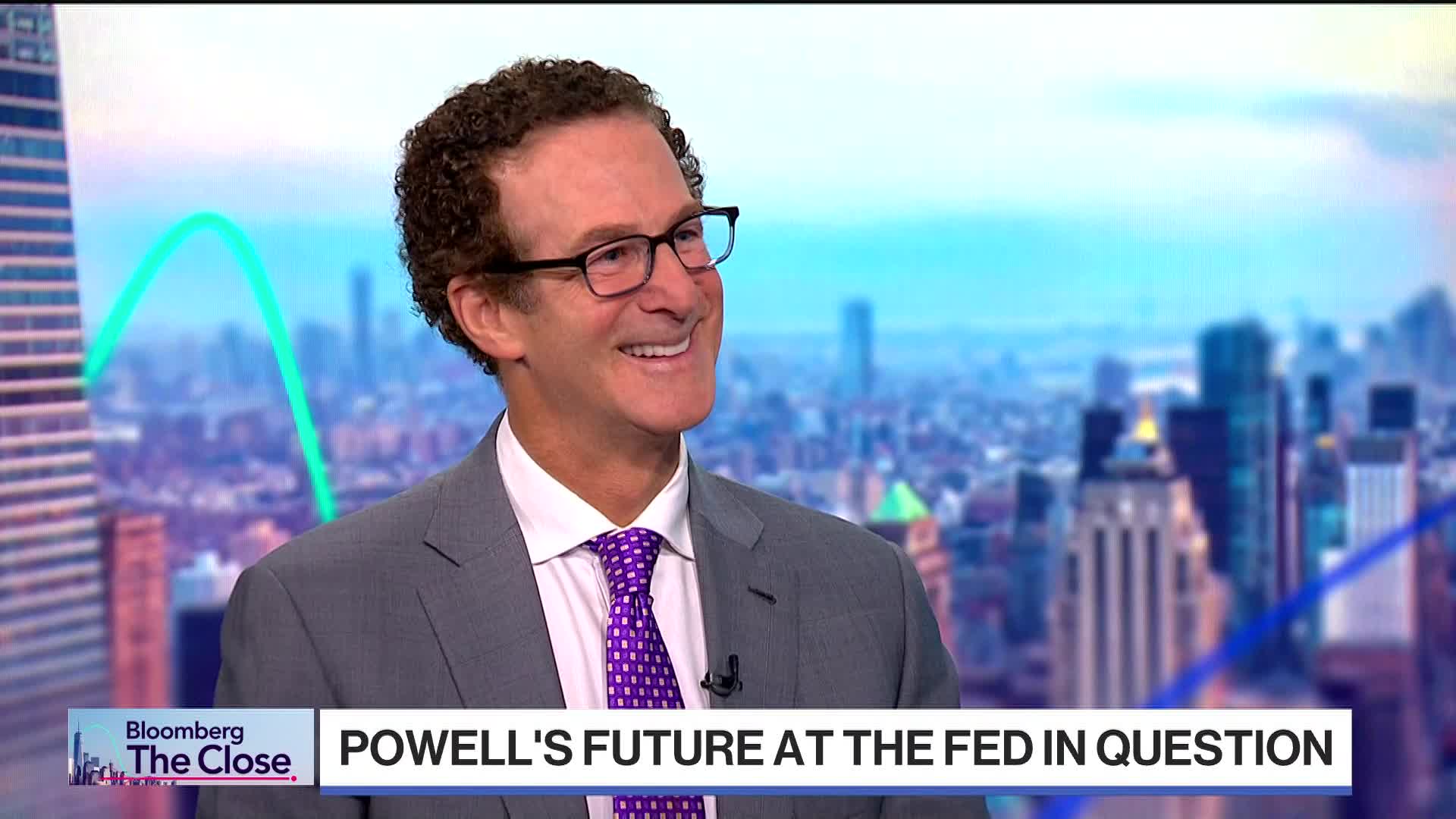
Bruce Richards, founder and CEO of Marathon Asset Management, stated in a Bloomberg interview that Federal Reserve interest rates are excessively high and provided commentary on the current state of the private credit market. This reflects a significant asset manager's view on prevailing monetary policy and an increasingly critical alternative asset class for institutional portfolios.
Bruce Richards, the founder and CEO of Marathon Asset Management, has articulated a dovish stance on U.S. monetary policy, asserting that Federal Reserve rates are currently too high. This perspective is significant coming from the head of a major asset management firm, lending weight to the argument that current policy may be overly restrictive from the viewpoint of credit market participants. His commentary also extended to the state of the private credit market, an increasingly critical area for institutional capital that is highly sensitive to benchmark interest rates. The juxtaposition of these topics—Fed policy and private credit—highlights the interconnectedness of public monetary decisions and the performance of alternative asset classes. While the commentary carries a mildly positive sentiment and a dovish tone, reflecting a general market preference for lower rates, its low market impact score suggests it is currently viewed as a contribution to the ongoing debate rather than a market-moving catalyst.
AI-powered research, real-time alerts, and portfolio analytics for institutional investors.
Request DemoOverall Sentiment
mildly positive
Sentiment Score
0.20
