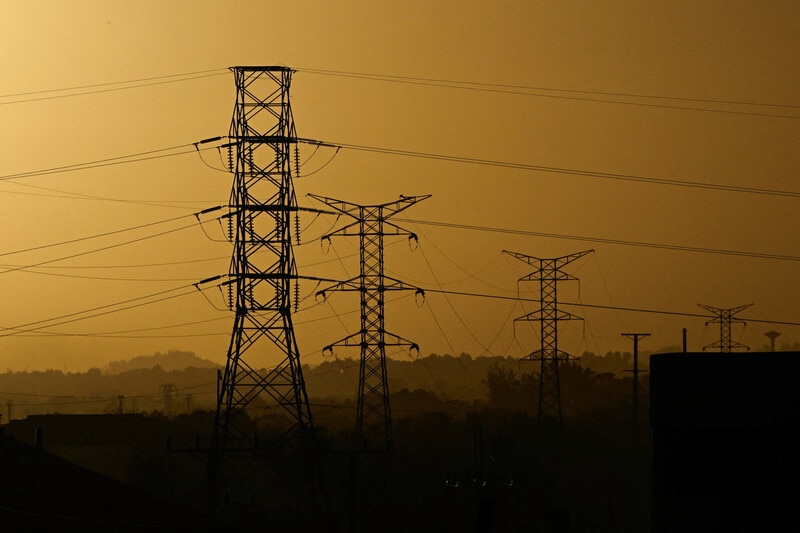
Stanford research shows advanced grids run at ~30% utilization, implying two-thirds of capacity idle and that a 1% improvement in system flexibility could unlock ~100 GW in the US, equivalent to ~$500B in avoided infrastructure. Practical pilots (e.g., Portland General Electric/GridCARE) demonstrate activation of hundreds of megawatts via AI orchestration, and GridCARE analysis suggests a 1 GW data centre using spare capacity can lower average consumer rates by ~5% (~$100/year). The article argues intelligent grid optimization can double effective capacity in months with lower capital and faster timelines than new buildouts, presenting sector-level upside for utilities, data-centre operators, and climate goals.
Grid orchestration converts fixed physical capacity into monetizable, time-varying capacity — winners will be firms that capture the software-to-asset revenue layer (utilities that operate VPPs, storage OEMs, systems integrators). The economic lever is not marginal generation but utilization: shifting load and centralizing orchestration increases incremental gross margin on existing assets and converts stranded capital into recurring service revenue over 12–36 months.
Key catalysts that will separate winners from losers are fast: regulatory approvals for flexibility markets, large anchor contracts from hyperscalers, and proof points from multi-month pilots. Tail risks that could reverse the thesis include major multi-hour extreme weather events that compress flexibility windows, successful rapid build-outs (regional capex booms) that lower value of orchestration, and cyber/operational failures that force conservative dispatch rules — any of which can re-price utility economics inside 6–18 months.
Second-order supply-chain effects are material and underappreciated: transmission and heavy civil engineering demand growth should decelerate while demand for software engineering, grid telematics, and distributed asset commissioning surges. That reallocates long-duration, high-margin revenue away from construction firms toward recurring SaaS/O&M contracts, improving cash conversion for utilities that monetize platforms and creating a structural premium for those that sign multi-year flexibility agreements with large compute customers.
AI-powered research, real-time alerts, and portfolio analytics for institutional investors.
Request DemoOverall Sentiment
strongly positive
Sentiment Score
0.70
Ticker Sentiment
