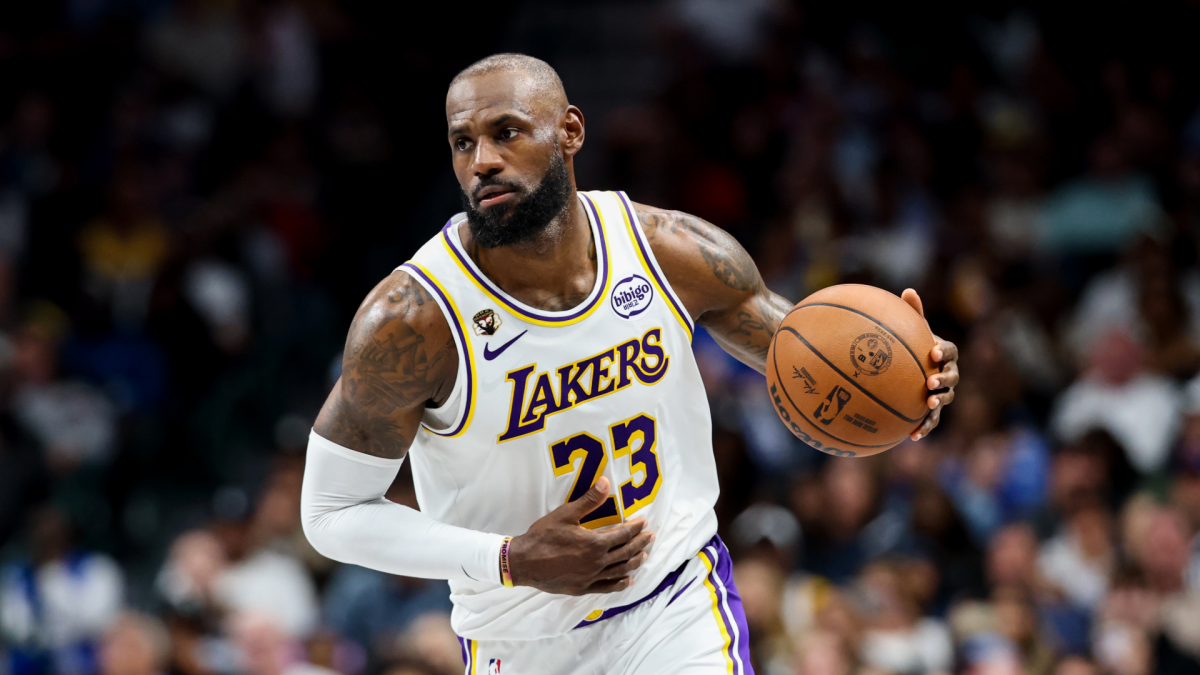
SportsLine's model projected Oklahoma City (-15.5) to cover against the Lakers in Game 2, with the Thunder favored by 15.5 points and the game total set at 210.5. The article is primarily a betting-picks piece, highlighting a three-leg NBA parlay expected to pay well over +500 rather than reporting a material business or market event. It contains no actionable corporate or macroeconomic news.
This is a short-duration volatility event masquerading as sports content: the real tradeable exposure is not game outcome direction, but how aggressively the market prices in uncertainty around a likely blowout. When a dominant favorite is laying this many points in a playoff setting, the highest-probability path is often an early lead that compresses live-line and in-game derivative value for the underdog, especially if the market has not fully adjusted to the absence of secondary scoring options on the underdog side.
The second-order effect is on player prop and same-game parlay pricing. In a lopsided script, star usage can remain elevated for the favorite only until the game is effectively decided; after that, rotational risk rises and diminishes late scoring correlation, which tends to hurt naive overs and inflate the value of first-half markets relative to full-game markets. If the market is leaning on narrative around desperation or home-court response, the contrarian edge is usually to fade the emotional angle and isolate matchup efficiency plus depth, which matter more over 48 minutes than motivational framing.
For investors, the best analog is event-driven options trading: the edge lies in structuring limited-risk bets around mispriced tails rather than taking outright direction. The implied move on the favorite side may still be too low if the game becomes a rout, but the underdog also has a non-linear path to cover via backdoor scoring, so the cleanest expression is often through first-half or alternate spread structures rather than standard full-game exposure. Time horizon is hours, not days; once the number moves through key closing thresholds, the edge decays quickly.
The consensus miss is assuming variance disappears in playoff games. In reality, high-point-spread playoff games often create more pricing inefficiency, because public money clusters on the brand-name underdog and on overs, while sophisticated bettors can exploit rotational churn, garbage-time dynamics, and live underreaction to lineup changes. That makes this a good environment for disciplined, asymmetric exposure rather than opinionated conviction bets.
AI-powered research, real-time alerts, and portfolio analytics for institutional investors.
Request DemoOverall Sentiment
neutral
Sentiment Score
0.10
