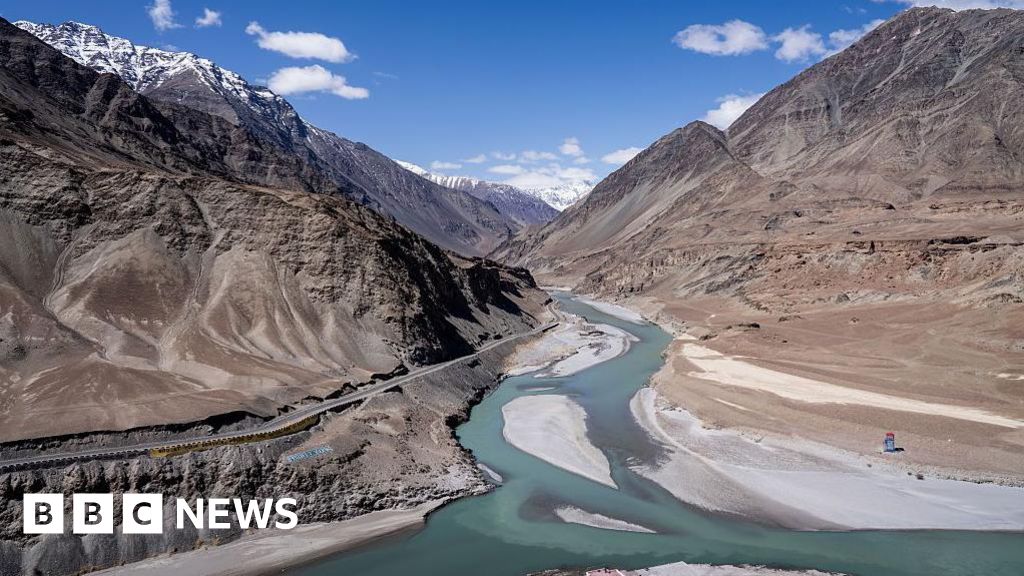
Winter precipitation across the Himalayas has fallen sharply in recent years, with ERA-5 analysis showing a ~25% decline in snowfall in the northwestern Himalayas over the past five years versus the 1980–2020 average and an ICIMOD report recording a 24% below-normal snow persistence in 2024–25. Indian meteorological data warn of up to an 86% shortfall vs long-period average for Jan–Mar in parts of northwest India, while reduced snowmelt—which supplies roughly a quarter of annual runoff for 12 major river basins affecting nearly two billion people—threatens hydropower generation, irrigation, drinking water, and increases risks of landslides, glacial lake outbursts and forest fires, creating material long-term risks for regional utilities, agriculture and insurers.
Market structure: Reduced Himalayan snowfall is a structural negative for regional hydro-generation (NHPC.NS, local IPPs) and irrigation-dependent agriculture, and a relative positive for thermal and intermittent renewables as baseload shortages force fuel switching. Expect spot power scarcity in north India/Pakistan/Nepal this spring (Mar–May) raising short-term coal/gas burns by ~5–15% regionally if snow-persistence remains >20% below LPA, benefiting coal miners and traders but pressuring hydro asset valuations.
Risk assessment: Tail risks include glacier-lake outburst floods (GLOFs) that can inflict >$0.5–2bn infrastructure damage locally and spike sovereign/macro stress for smaller Himalayan states; insurance/reinsurers face clustered catastrophe exposure over 1–3 years. Hidden dependencies: agricultural yields, internal migration, and state fiscal transfers amplify credit risk for regional utilities and muni projects; catalysts include westerly disturbance shifts and multiyear La Niña/El Niño cycles that could reverse or accelerate trends.
Trade implications: Near-term (next 3 months) tradeability centers on long thermal/renewable producers and short hydro operators plus water-infrastructure plays for 12–36 month horizons. Use options to express convexity: buy 3–12 month call spreads on Indian renewables/utilities and buy puts on hydro incumbents; allocate capital to desalination/water-tech names for multi-year structural re-rating if two consecutive winters show >15–20% snow deficit.
Contrarian angles: Consensus focuses on catastrophe and lost hydro; underappreciated is capex-driven opportunity: accelerated government fiscal spending (India/Nepal) on storage, desalination and grid flexibility could create multi-year winners among engineering contractors and equipment suppliers. The market may be underpricing transition risk for coal exporters over 2–5 years if renewables + storage capex accelerates; pair trades that long water/renewables and short legacy hydro utilities capture this mispricing.
AI-powered research, real-time alerts, and portfolio analytics for institutional investors.
Request DemoOverall Sentiment
moderately negative
Sentiment Score
-0.52
