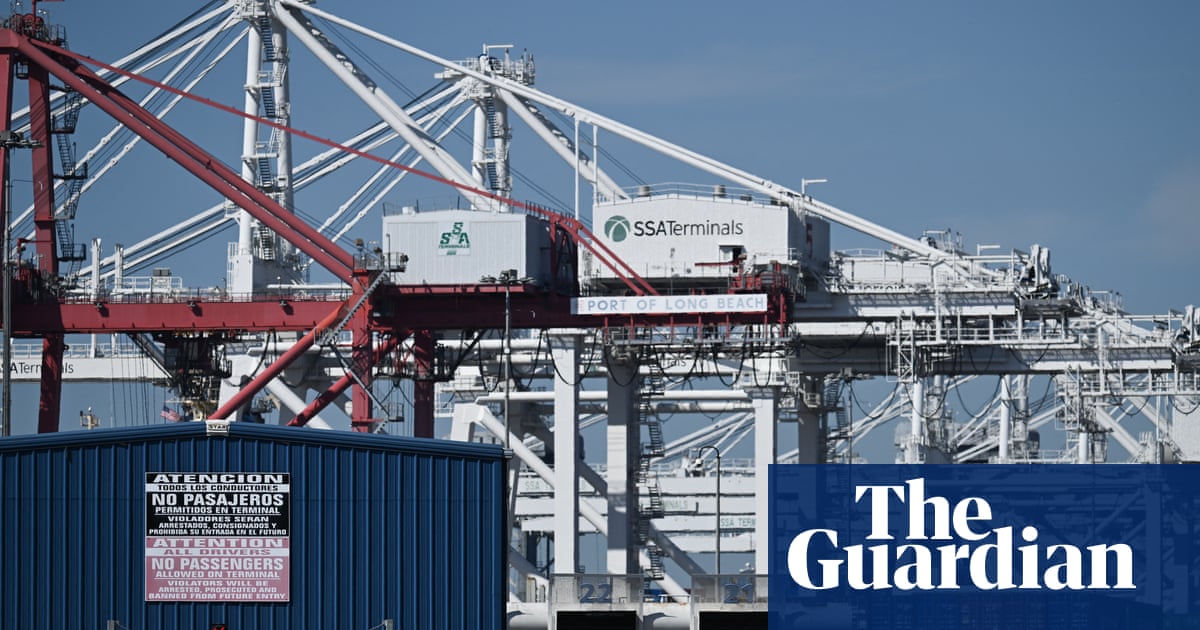
Economists widely dismiss the Trump administration's claims that proposed broad tariffs will trigger a US manufacturing renaissance, citing policy inconsistency, increased production costs for domestic firms, and questionable legality as impediments. They argue that unlike targeted industrial policies, these across-the-board tariffs are unlikely to spur significant investment or employment growth, potentially reducing US manufacturing competitiveness and factory jobs, despite the administration's assertions of substantial investment pledges.
Economists cited in the report broadly contest the administration's claim that a disruptive trade war will catalyze a US manufacturing renaissance, highlighting significant headwinds. The primary critique centers on policy inconsistency and unpredictability, which deters the long-term capital investment required for new factories, as noted by Ann E Harrison of UC Berkeley. Furthermore, the across-the-board tariffs are projected to increase production costs for domestic firms, directly undermining their competitiveness; a Federal Reserve study found that tariffs from the previous Trump term were associated with a net reduction in factory jobs, as increased input costs and retaliation outweighed protectionist benefits. This contrasts sharply with the targeted industrial policy approach for strategic sectors like semiconductors and EVs, which economists like Dani Rodrik argue is more effective. The administration's claims of securing massive investment pledges—such as $600bn from the EU—are met with deep skepticism, with a European Commission spokesperson clarifying these are non-binding "aggregate intentions." The tariff rates themselves, such as 15% on the EU, are considered by experts like Susan Helper to be too low to justify the billions in investment needed for new facilities. The policy mix is seen as particularly risky for the US auto industry, which could see its competitiveness eroded by higher steel costs and a strategic retreat from the global EV market.
AI-powered research, real-time alerts, and portfolio analytics for institutional investors.
Overall Sentiment
strongly negative
Sentiment Score
-0.70
Ticker Sentiment
