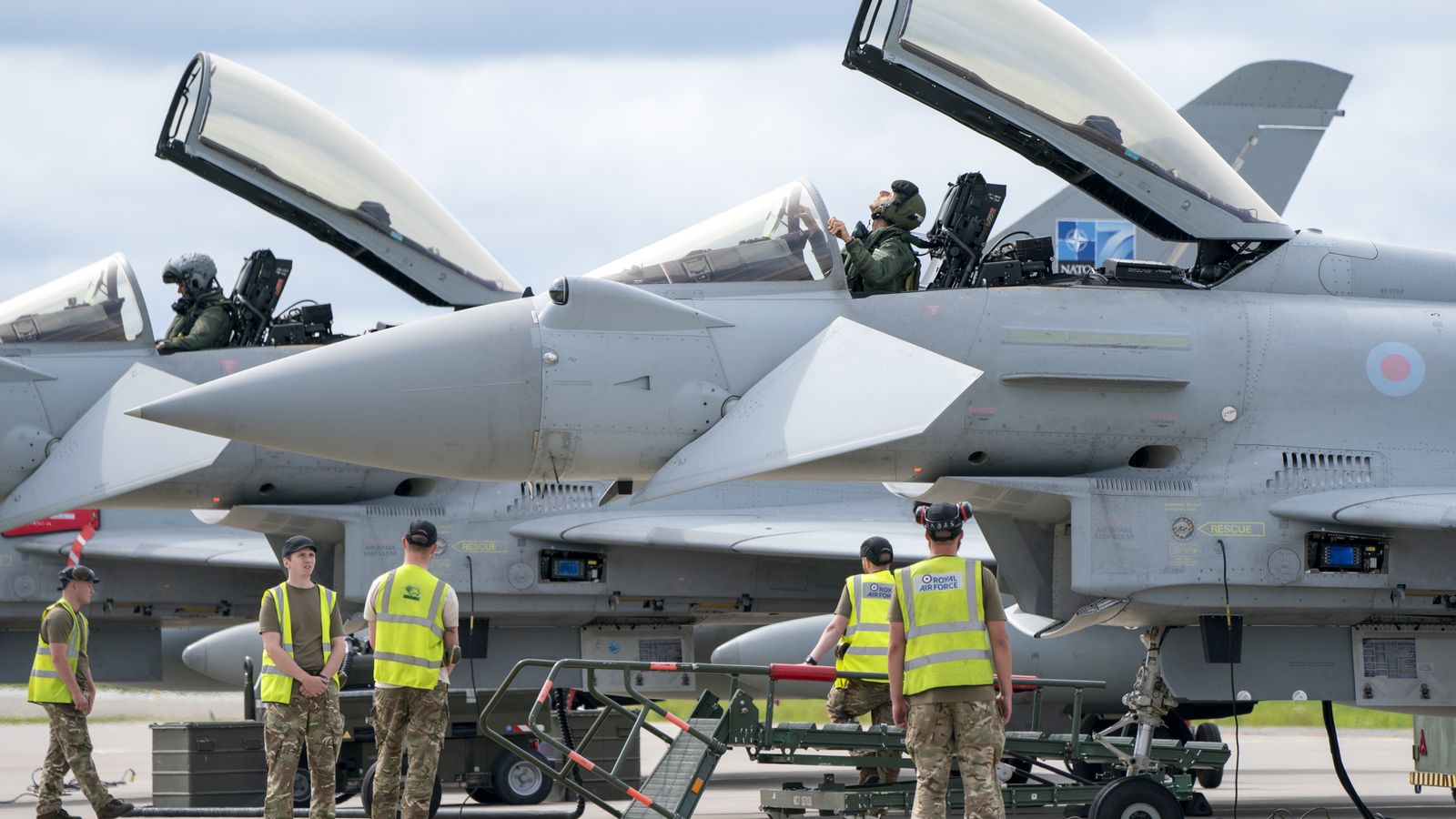
NATO allies, including the UK, have agreed to significantly increase defense and related spending to 5% of GDP by 2035, up from the current 2% target. This ambitious pledge, driven by escalating geopolitical threats from Russia and China and a desire to maintain US support, marks a return to Cold War-era spending levels. However, Spain has publicly indicated it will not adhere to the new target, potentially creating alliance friction despite the agreement's adjusted wording to accommodate dissent.
NATO allies have formally agreed to a significant long-term increase in defense-related expenditures, targeting 5% of GDP by 2035. This represents a substantial escalation from the current 2% goal and marks a strategic return to Cold War-era spending levels, driven by perceived threats from Russia and China, as well as a desire to secure ongoing US commitment to the alliance. The new target is specifically structured with 3.5% of GDP allocated to pure defense and 1.5% to related areas, including critical infrastructure and cybersecurity, signaling a broad-based investment a pproach. However, the unanimity of the pledge is undermined by Spain, which has explicitly stated it will not meet the 5% figure, instead aiming for 2.1% despite spending only 1.24% of GDP last year. This dissent was accommodated by altering the commitment's wording, but it introduces a critical element of political friction and questions the universal application of the target. The UK's agreement is also nuanced; it successfully lobbied for the extended 2035 timeframe, effectively deferring the most significant fiscal impact beyond the next parliamentary term and its own stated ambition of reaching 3% by 2034.
AI-powered research, real-time alerts, and portfolio analytics for institutional investors.
Overall Sentiment
mildly positive
Sentiment Score
0.35
