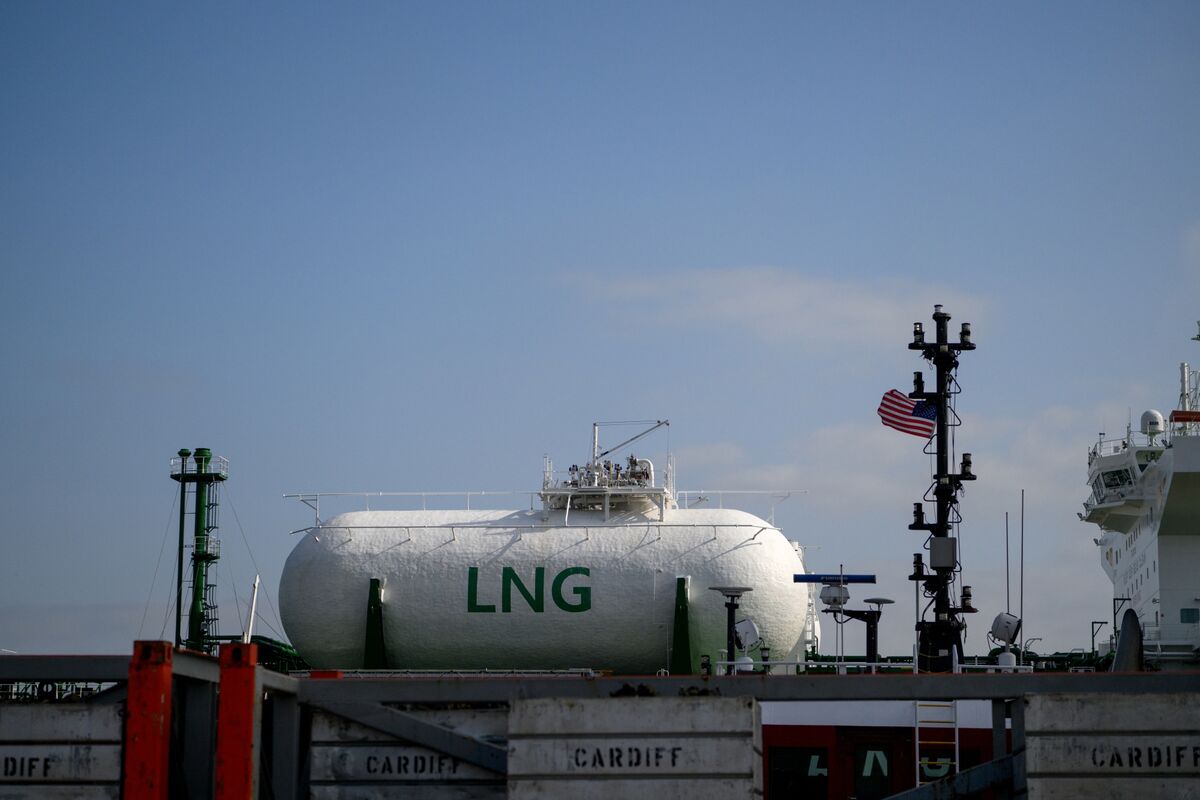
New trade deals are seeing foreign leaders commit to increased purchases of US liquefied natural gas (LNG), yet the current American energy industry lacks the capacity to meet this burgeoning demand. This situation underscores a significant need for expanded US LNG production and export infrastructure to fulfill these international commitments, signaling potential investment opportunities in the sector.
New trade agreements are creating a significant demand-pull for US liquefied natural gas (LNG) as foreign governments pledge to increase American energy purchases. However, a critical bottleneck exists within the US energy industry, which currently lacks the production and export capacity to meet this burgeoning demand. This disconnect between diplomatic commitments and physical supply capabilities highlights a substantial growth opportunity but also an immediate operational constraint. The situation implies that to capitalize on these trade deals, a significant ramp-up in investment for LNG liquefaction plants and export infrastructure is necessary, a point underscored by analysis from Asian energy market specialists who are observing these trends closely.
AI-powered research, real-time alerts, and portfolio analytics for institutional investors.
Request DemoOverall Sentiment
mixed
Sentiment Score
0.00
