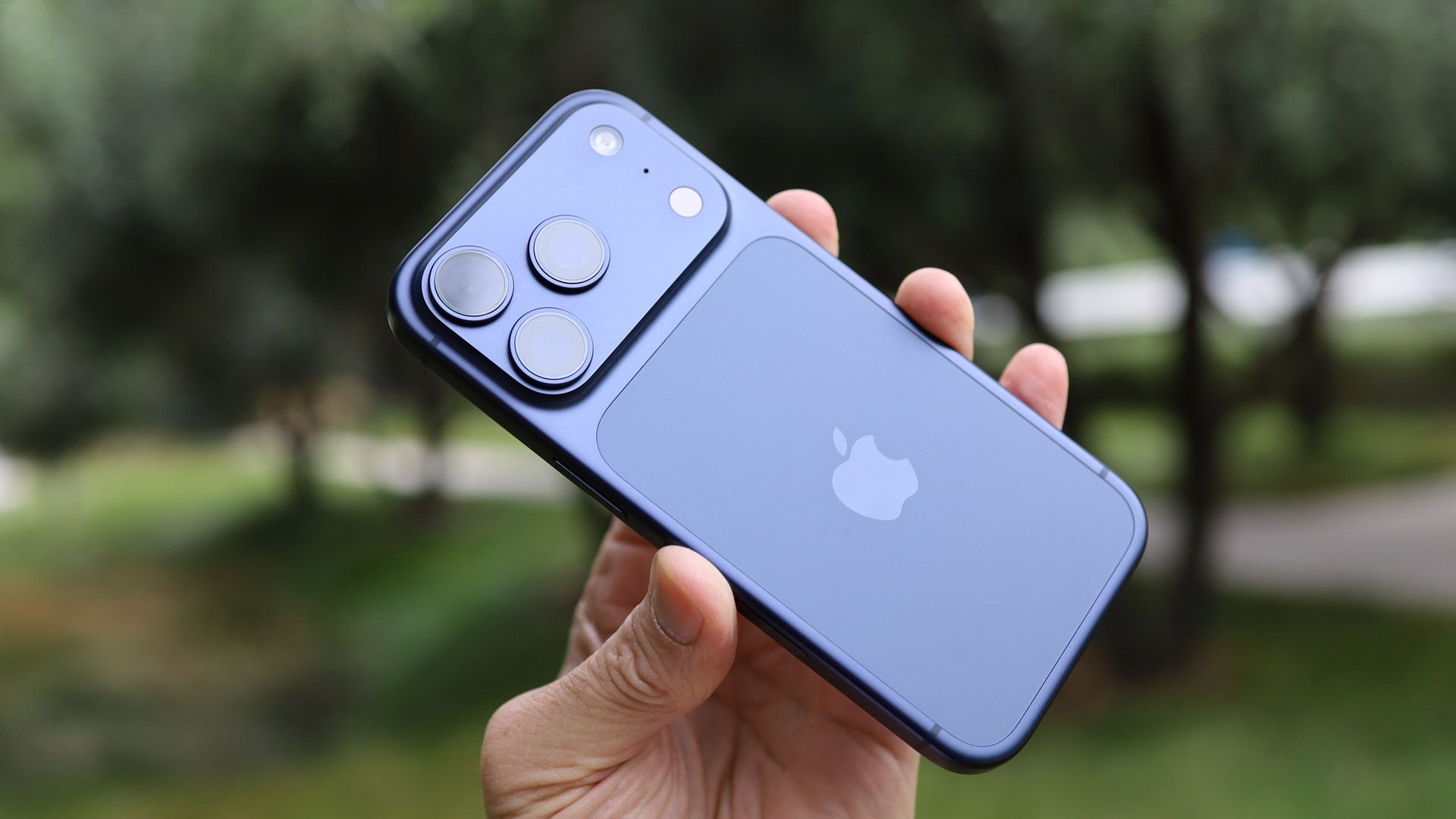
John Lewis has applied modest £30 Black Friday discounts to the iPhone 17 Pro (512GB) reducing the price to £1,269 from £1,299 and the iPhone 17 Pro Max (512GB) to £1,369 from £1,399, with Amazon offering similar pricing; John Lewis’ two‑year guarantee is highlighted as a differentiator. The article notes that sizeable cash discounts on current‑generation iPhones remain rare while rivals (e.g., Pixel 10, Galaxy S25 variants) are seeing deeper promotions, implying Apple’s pricing power remains largely intact despite selective retailer-led markdowns.
Market structure: The tiny £30 cuts on iPhone 17 Pro models signal intact Apple (AAPL) pricing power — winners are Apple, premium retailers (John Lewis) and insurers/extended-warranty providers; losers are mid/low‑tier Android OEMs that must clear inventory via deeper discounts (see Samsung/Galaxy S25 pricing). Limited markdowns imply tighter channel inventories and healthy demand elasticity at >£1,000 price points, preserving gross margins for Apple and supporting services revenue growth over the next 2–4 quarters.
Risk assessment: Tail risks include a macro shock (UK/Eurozone consumer slump) that compresses premium handset demand by >15% YoY, or new EU/US regulation forcing hardware-software unbundling which could shave 100–300bps off Apple services margins. Immediate effect (days) is a modest revenue bump for retailers; short-term (weeks–months) will show inventory/(re)pricing outcomes; long-term (quarters) competition and regulatory outcomes drive margin trajectories. Hidden dependencies: carrier subsidy/trade‑in flows and TSMC capacity allocation could flip supply/demand quickly.
Trade implications: Tactical: establish a 1–2% long AAPL equity position now, scale to 3% if AAPL retraces 4–6% within 30 days; complement with a 3‑month call spread (buy 30–40 delta, sell 10–15 delta higher) to capture holiday upside while capping cost. Relative-value: implement a 1:1 pair trade — long AAPL vs short AMZN (−1% portfolio) for 3 months to express premium product resilience vs broad retail margin pressure; hedge tail risk with a 6‑month put on AMZN if it rallies >8%.
Contrarian angles: Consensus underestimates the durability of premium handset pricing — historical parallels: iPhone cycles (XS/11) showed minimal deep Black Friday cuts until late lifecycle, preserving ASPs. Conversely, if used-device markets accelerate (trade‑in gain re‑sell overflow), this could cap new‑unit demand — a risk markets are underpricing. Unintended consequence: sustained Apple pricing power may force Android OEM consolidation or drive them to sell hardware sub‑£500 aggressively, compressing sector EBIT margins and creating M&A catalysts.
AI-powered research, real-time alerts, and portfolio analytics for institutional investors.
Request DemoOverall Sentiment
mildly positive
Sentiment Score
0.28
Ticker Sentiment
